

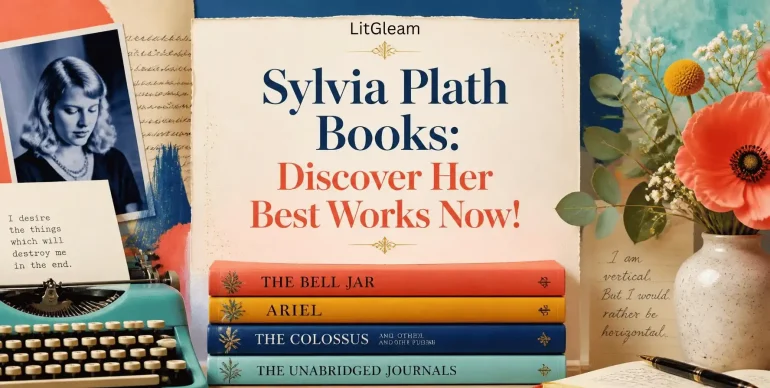
Sylvia Plath remains one of the most discussed and influential American writers of the 20th century. Her writing moves between poetry, fiction, journals, children’s literature, and short prose, creating a body of work that continues to fascinate readers, poets, writers, and literary scholars. If you’re searching for Sylvia Plath books, two titles almost always appear first: The Bell Jar and Ariel.
But Plath’s literary world extends well beyond these famous works.
Her first poetry collection, The Colossus, introduced readers to a highly controlled and imaginative poetic voice, while The Bell Jar established her reputation as a novelist.
Ariel, published after her death, became one of her defining poetry collections. Later publications, including The Collected Poems, Johnny Panic and the Bible of Dreams, and collections of letters, journals, and children’s writing, reveal additional dimensions of her craft.
So, which book should you read first? And how do these works differ?
This guide explores the major Sylvia Plath books, what each one is about, why it matters, and which readers may enjoy it most.
Table Of Contents
Sylvia Plath Books: Where Should You Start?
If you’re new to Plath, don’t feel that you need to read everything in publication order.
A better starting point depends on what you want from her writing.
| If you want… | Start with… |
| A novel | The Bell Jar |
| Her most famous poetry | Ariel |
| Earlier, more structured poetry | The Colossus |
| A broad collection of her poetry | The Collected Poems |
| Short stories and prose | Johnny Panic and the Bible of Dreams |
| Her personal correspondence | Letters Home |
| Her journals and creative development | The Journals of Sylvia Plath |
| Children’s literature | The Bed Book |
You may also like – 100+ Romance Tropes & How to Use Them in Your Book-Read!
You may also like – Tony Robbins Books: Unlock Your Potential—Dive In!
For most first-time readers, The Bell Jar provides the easiest introduction because its narrative form is more immediately accessible than Plath’s poetry.
Poetry readers, however, may prefer to begin with Ariel, where her imagery, sound, rhythm, and compressed language are particularly striking.
The Academy of American Poets notes that Ariel contains several of Plath’s best-known poems, including “Daddy,” “Lady Lazarus,” “Ariel,” and “Morning Song.”
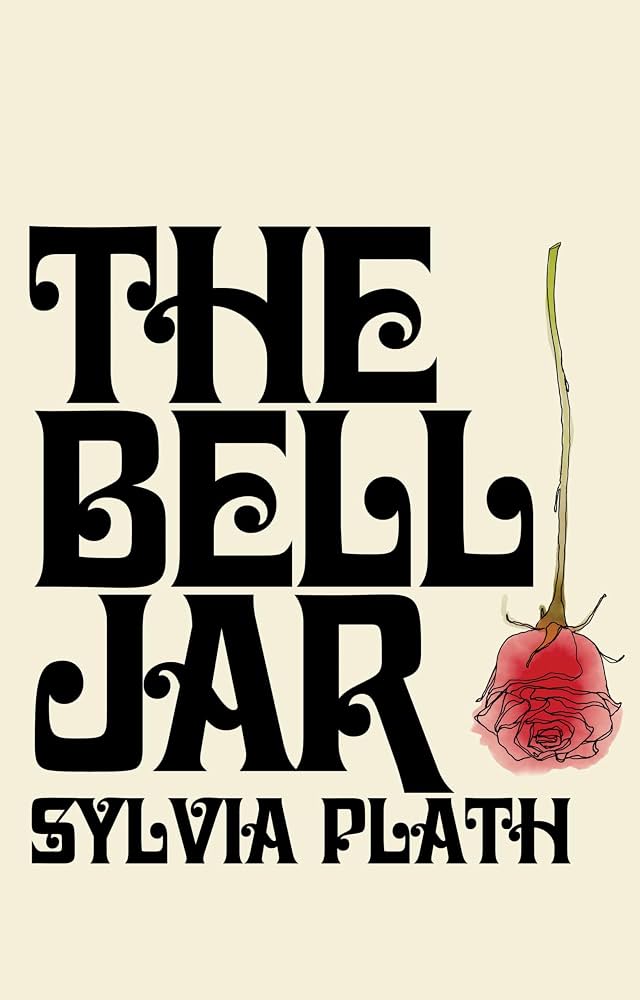
1. The Bell Jar by Sylvia Plath
When readers search for a book Sylvia Plath wrote, The Bell Jar is usually the first title they encounter.
Published in 1963 under the pseudonym Victoria Lucas, The Bell Jar was Plath’s only completed novel.
The story follows Esther Greenwood, a talented young woman whose expectations, ambitions, relationships, and sense of identity become increasingly difficult to reconcile.
The novel draws significantly from experiences in Plath’s own life, particularly Esther’s time in New York, her struggles as a young writer, and her experiences with psychiatric treatment.
However, it is important not to reduce the novel to autobiography.
Plath transforms personal experience into fiction. Esther is a character in her own right, and the novel’s concerns extend beyond the author’s biography.
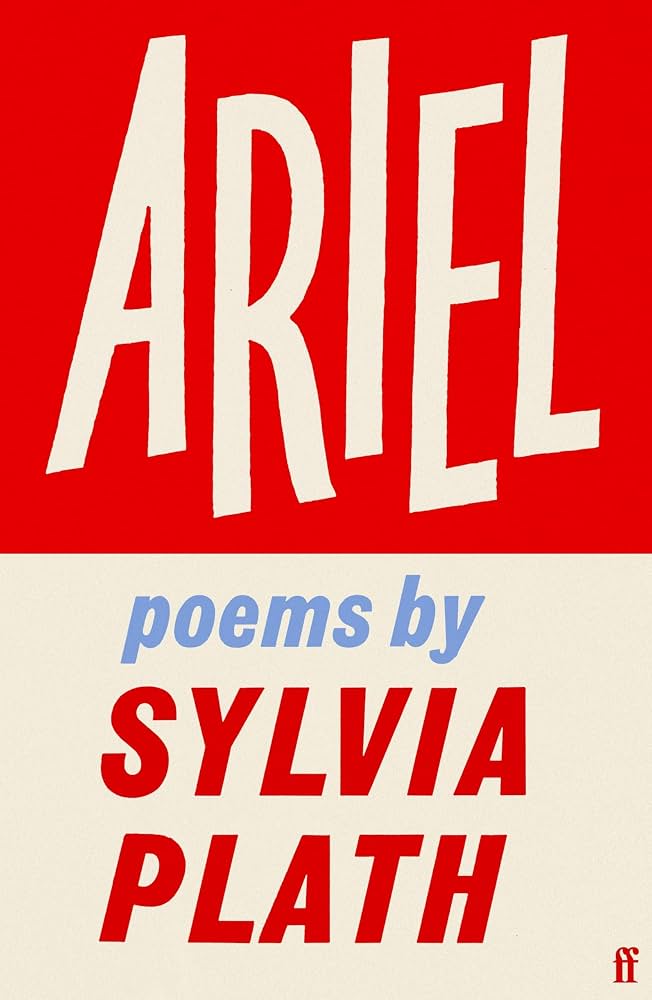
2. Ariel by Sylvia Plath
If The Bell Jar introduced readers to Plath’s fiction, Ariel established the extraordinary intensity of her later poetry.
The Ariel Sylvia Plath collection was published posthumously in 1965. It contains some of the poems most closely associated with Plath, including “Ariel,” “Daddy,” “Lady Lazarus,” “Morning Song,” and “Tulips.”
The collection is frequently associated with confessional poetry, although Plath’s poems are more carefully constructed than the label might suggest.
Her language is highly deliberate.
Sound, rhythm, metaphor, repetition, imagery, and unexpected shifts work together to create poems that can feel simultaneously intimate and theatrical.
You may also read – William Faulkner Books: Find Your Next Great Read!
You may also check – Natasha Preston Books: Start Your Next Gripping Read!
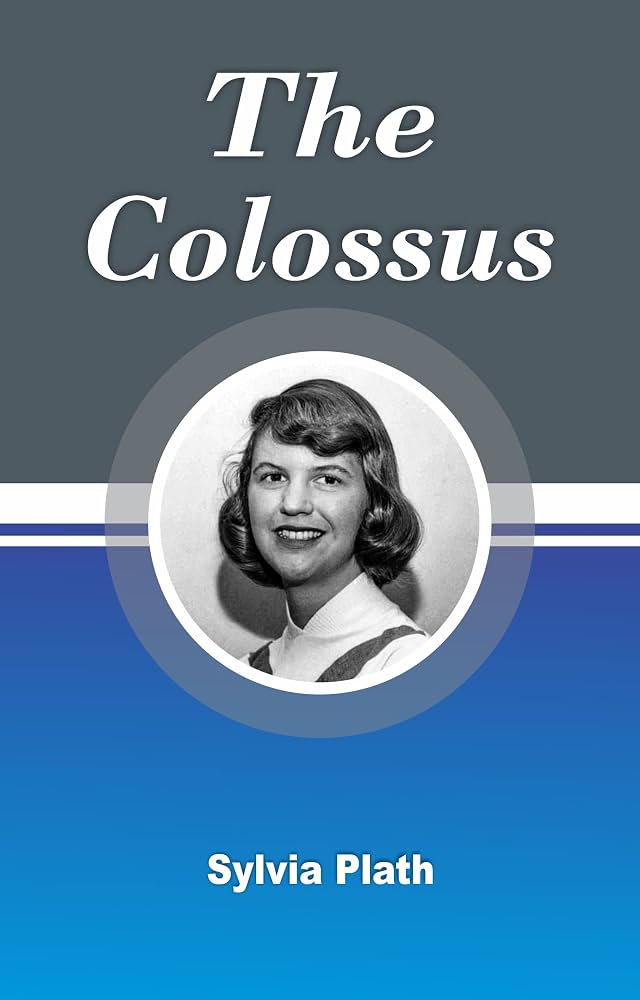
3. The Colossus by Sylvia Plath
Before Ariel, there was The Colossus.
Published in 1960, The Colossus was Plath’s first major poetry collection. It gives readers an opportunity to see an earlier stage of her poetic development.
Compared with the later poems associated with Ariel, the poems in The Colossus can feel more formally controlled and densely constructed.
One particularly useful way to approach The Colossus is as a book that shows Plath developing the techniques that would later become more explosive in her poetry.
Her imagery is already distinctive, but the voice can feel more measured.
For poets and writers, that makes the collection particularly valuable.
Rather than beginning with Plath’s most famous poems and assuming her style appeared fully formed, readers can observe the evolution of her craft.
The Academy of American Poets identifies The Colossus as Plath’s first poetry collection and notes that it was published in England in 1960.
4. The Collected Poems
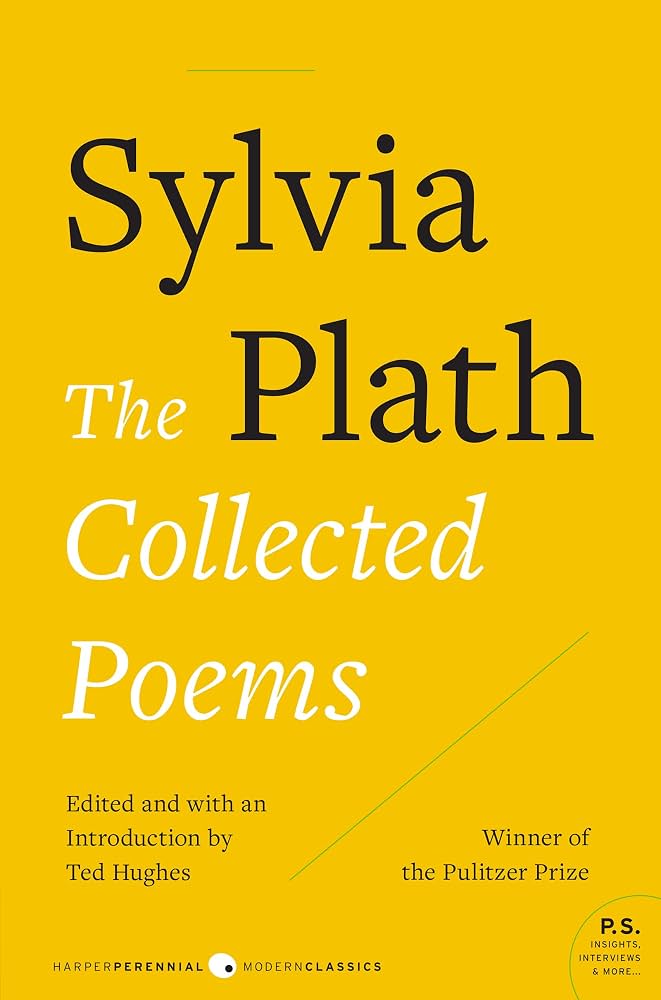
If you’re looking for a single volume that provides a broad view of Plath’s poetic career, The Collected Poems is an essential choice.
Edited by Ted Hughes, the collection brings together a substantial body of Plath’s poetry and demonstrates the progression of her writing.
Reading individual famous poems can create the impression that Plath’s style was always intensely dramatic. Reading a larger body of her work reveals something more interesting: development.
You can watch her experiment with imagery, rhythm, voice, structure, mythology, and personal material.
The collection also has major literary significance. Plath’s Collected Poems received the Pulitzer Prize for Poetry in 1982, making her the first person to receive a Pulitzer posthumously.
You may also read – Barbara Kingsolver Books: Discover Where to Start!
You may also like – Realistic Fiction Books: Find What to Read Next!
5. Johnny Panic and the Bible of Dreams
Not all important Sylvia Plath books are poetry collections or novels.
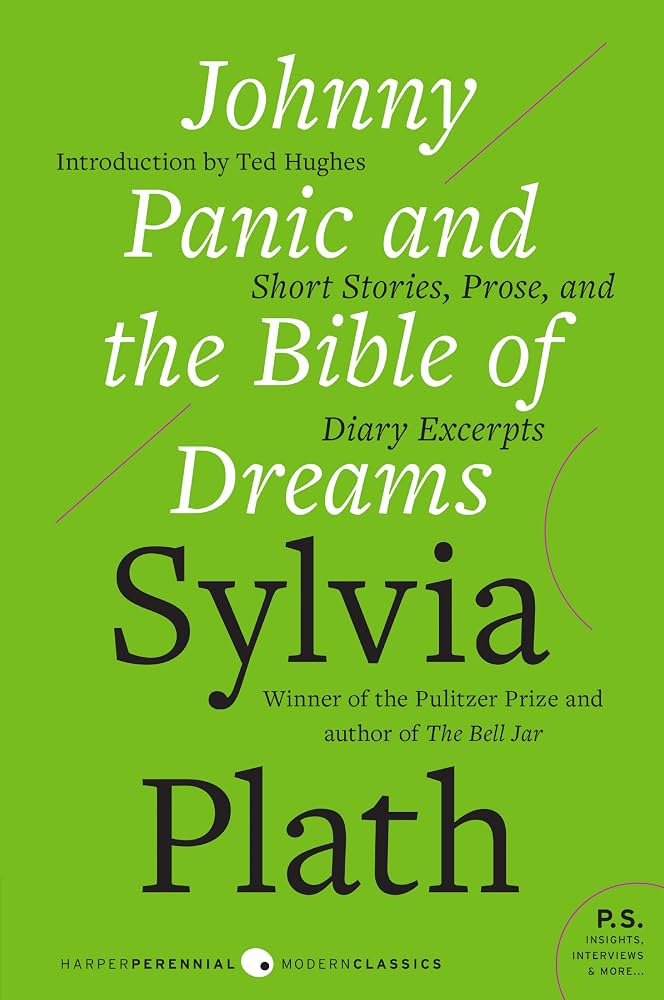
Johnny Panic and the Bible of Dreams gathers short stories and prose, allowing readers to see a different side of Plath’s writing.
The collection is particularly useful for anyone interested in Plath as a prose writer.
Her prose can reveal techniques that are less obvious in her poetry, including characterization, narrative pacing, atmosphere, and psychological observation.
For readers who discover Plath through The Bell Jar, this collection can be a natural next step.
It also helps challenge the idea that Plath should be understood exclusively through poetry.
6. The Bed Book
Plath also wrote for children.
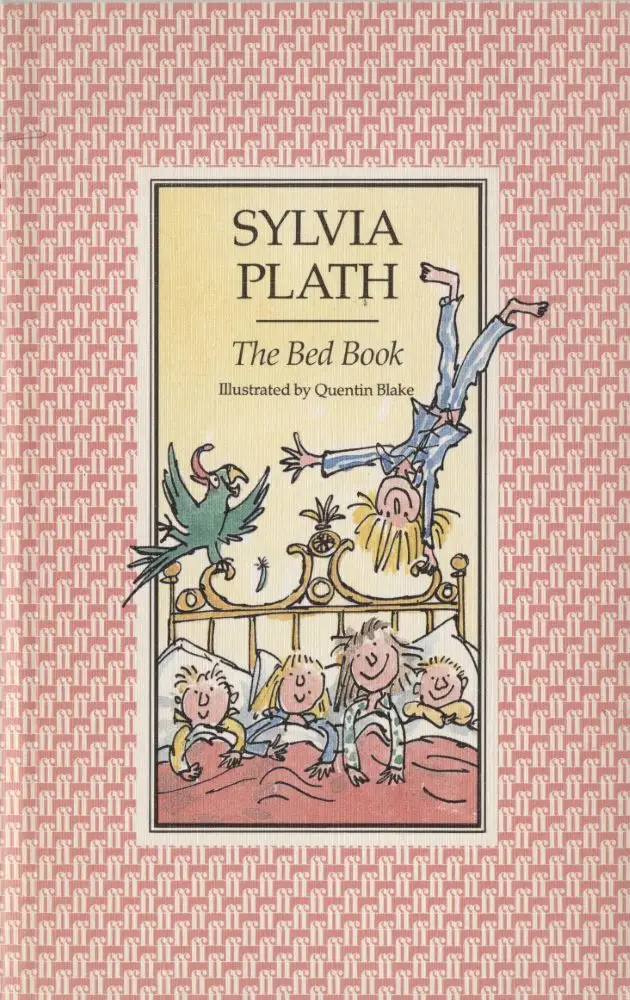
The Bed Book is one of her children’s works and offers a very different reading experience from Ariel or The Bell Jar.
Instead of the intense psychological atmosphere associated with her adult writing, children’s books reveal her interest in imagination, language, rhythm, and playful invention.
For writers, this is worth noticing.
A writer’s range isn’t measured only by how effectively they write serious material. The ability to create playful language and imaginative scenarios also demonstrates control over voice.
If you’re researching the complete range of Sylvia Plath books, children’s literature deserves a place on the list.
7. The It-Doesn’t-Matter-Suit
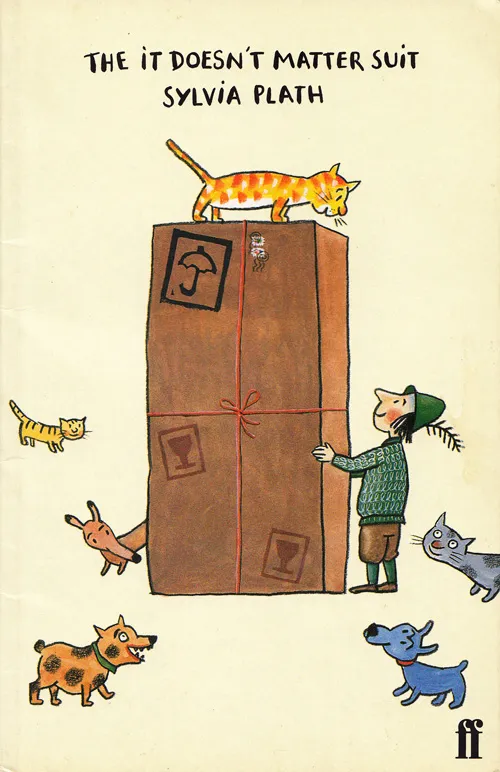
Another example of Plath’s children’s writing is The It-Doesn’t-Matter-Suit.
The story revolves around a mysterious suit and the character who eventually wears it. Its playful premise demonstrates Plath’s ability to move away from the intensely personal material that dominates discussions of her poetry.
The book is particularly interesting for readers studying her versatility.
It reminds us that Sylvia Plath was not only the author associated with Ariel and the bell jar novel. She also experimented with imaginative writing for younger audiences.
You may also check – John Boyne Books: Complete Reading Guide—Explore Now!
You may also like – Alex Aster Books in Order: Find Your Next Read!
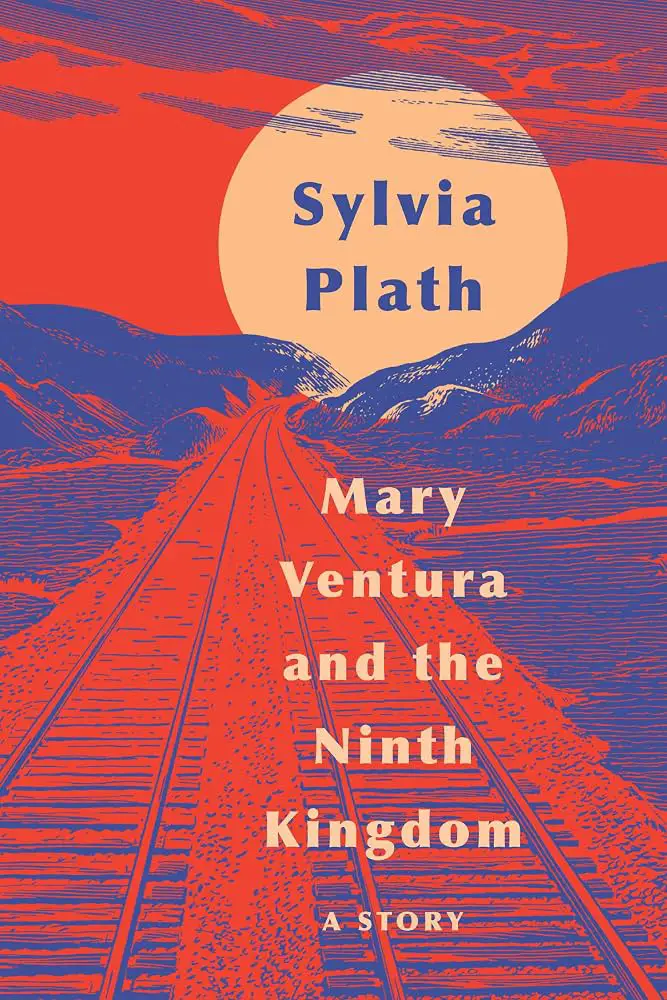
8. Mary Ventura and the Ninth Kingdom
Mary Ventura and the Ninth Kingdom offers another glimpse into Plath’s fiction beyond The Bell Jar.
The story follows Mary Ventura as she travels by train toward an unsettling destination.
Its surreal and symbolic qualities make it an intriguing companion to The Bell Jar, particularly for readers interested in Plath’s use of metaphor and psychological atmosphere.
Rather than reading it as another version of The Bell Jar, consider it as evidence of Plath’s interest in journeys, choice, fear, and transformation.
It also demonstrates how much of Plath’s literary work exists outside the two titles most frequently discussed.
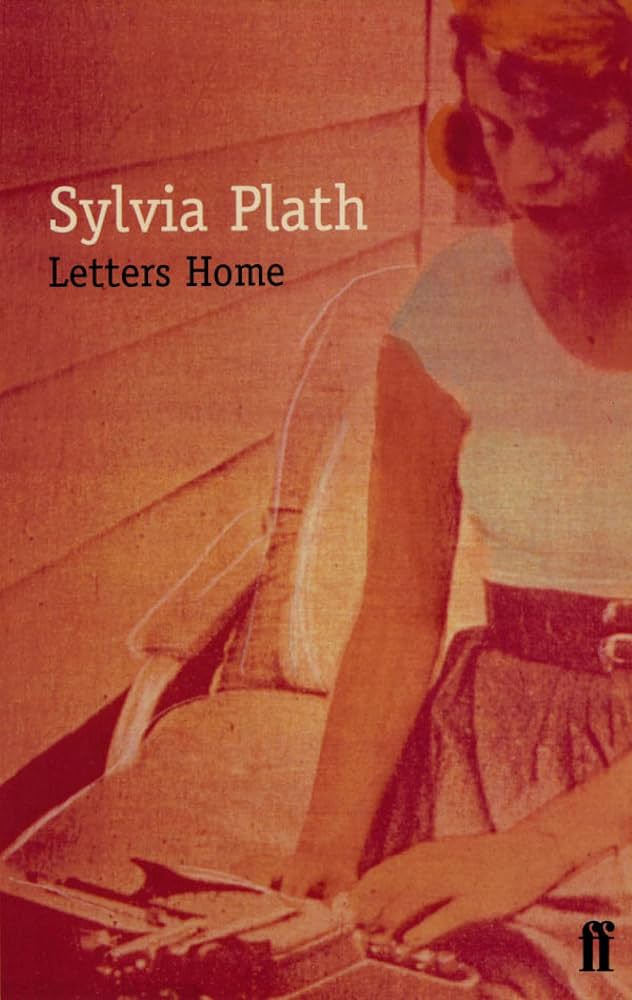
9. Letters Home
If you’re interested in the person behind the writer, Letters Home provides another perspective.
The collection brings together correspondence written by Plath to her mother, Aurelia Plath, covering significant periods of her life.
Letters can be valuable literary documents, but they should be approached differently from novels and poems.
A poem is crafted as a work of art.
A letter is written within a particular personal relationship and situation.
That distinction is important.
Readers should therefore avoid treating every statement in a letter as a definitive explanation of a poem or novel.
Instead, use correspondence as additional context.
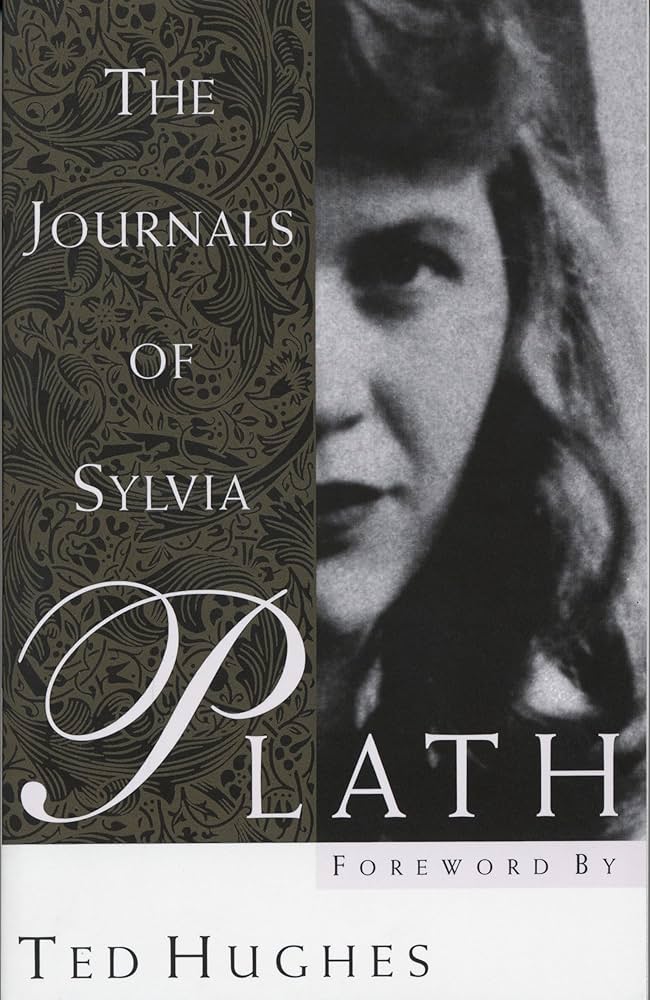
10. The Journals of Sylvia Plath
Plath’s journals are particularly valuable for readers interested in the development of a writer.
They provide glimpses into her ambitions, reading, relationships, writing habits, frustrations, and creative thinking.
For authors and poets, journals can be especially instructive because they reveal something that finished books conceal: process.
A finished poem looks inevitable.
A journal can show that writing rarely feels inevitable while it is being created.
Plath’s journals therefore offer a useful reminder that literary excellence usually involves experimentation, uncertainty, revision, and persistence.
You may also read – Michael Crichton Books in Order: Start Reading Now!
You may also like – David Baldacci Books in Order: Explore the Thrillers!
Conclusion
The world of Sylvia Plath books is much larger than The Bell Jar and Ariel.
Those two works are excellent starting points, but exploring The Colossus, The Collected Poems, Johnny Panic and the Bible of Dreams, her children’s books, letters, and journals reveals a more complete picture of Plath as a writer.
For fiction lovers, begin with The Bell Jar. For poetry enthusiasts, turn to Ariel. For aspiring poets and authors, consider reading across her work and paying close attention to how her style develops.
