

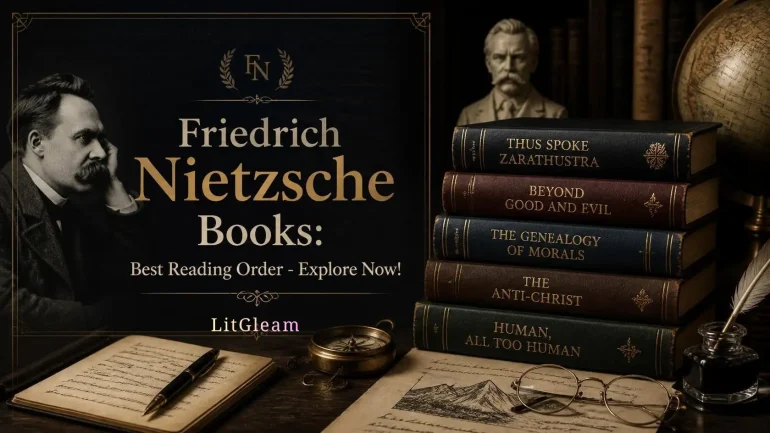
Few thinkers have reshaped modern thought, literature, and art as radically as Friedrich Nietzsche. His explosive style, sharp aphorisms, and profound critiques of morality, religion, and culture make diving into Friedrich Nietzsche books an exhilarating experience.
However, picking up the wrong volume first such as jumping straight into his poetic masterpiece, Thus Spoke Zarathustra often leads to confusion, frustration, and misinterpretation.
Whether you are a lover of philosophy, a curious reader, a poet seeking vivid imagery, or a writer looking for stylistic brilliance, reading Nietzsche the philosopher requires a thoughtful blueprint.
This definitive roadmap walks you through the best reading order for Nietzsche books, revealing how his ideas evolved so you can experience his work with maximum clarity and impact.
Table Of Contents
Let’s Explore Friedrich Nietzsche Books in Order
Reading his works out of order often causes readers to take hyperbole literally or miss the psychological foundation of his later ideas. Following a structured pathway lets you trace his evolving worldview organically.
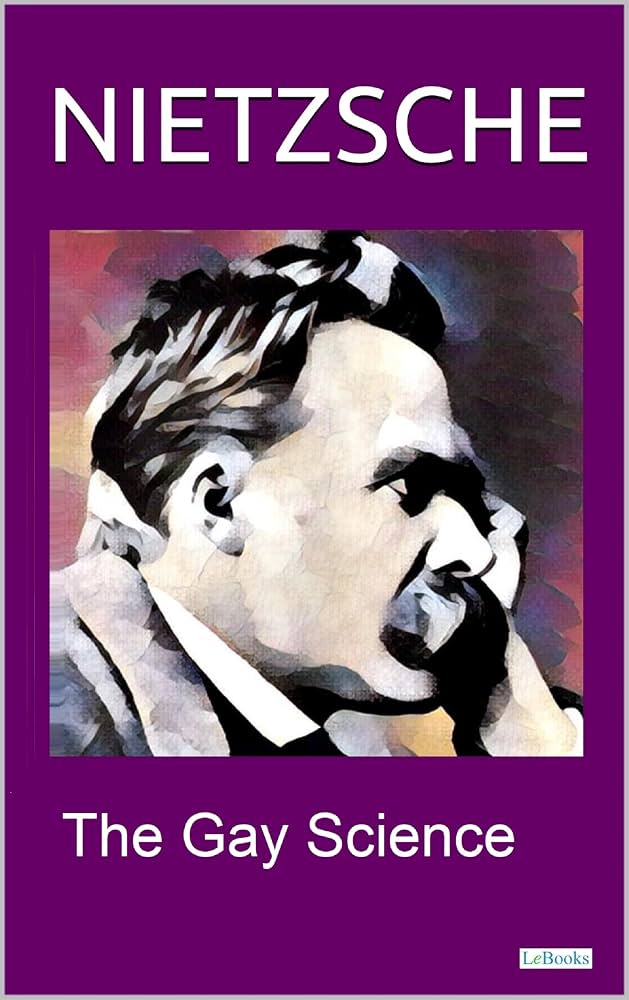
The Gay Science (1882)
The Gay Science is one of Friedrich Nietzsche’s most important philosophical works and a key text for understanding his later ideas. Originally published in 1882, it explores knowledge, morality, religion, art, and the meaning of life through concise, provocative aphorisms.
The book famously introduces the declaration that “God is dead” and develops the idea of eternal recurrence, asking readers to consider whether they could embrace life exactly as it is.
Nietzsche also explores amor fati the affirmation and acceptance of one’s fate. A revised edition appeared in 1887 with a fifth book, preface, and additional poems.
You may also like – Character Flaws: 100+ Examples to Inspire Writers – Explore!
You may also read – Write That Damn Book! by LitGleam | Start Writing Today | LitGleam
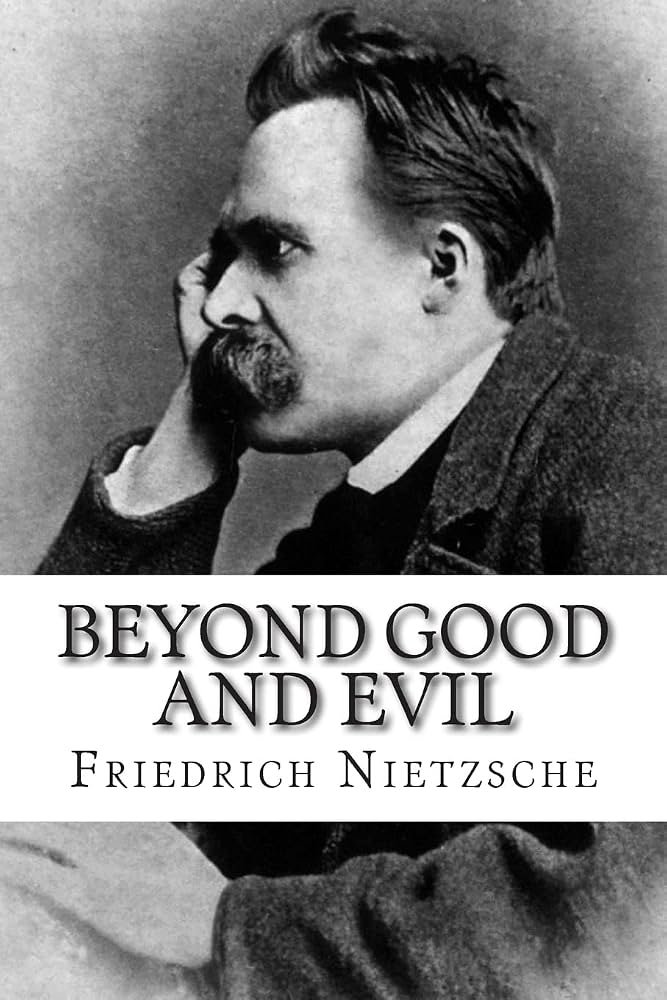
Beyond Good and Evil (1886)
Beyond Good and Evil is one of Friedrich Nietzsche’s most influential mature works and a major text for understanding his philosophy. Published in 1886, it challenges traditional assumptions about morality, truth, religion, and philosophical thinking.
Nietzsche questions whether concepts such as “good” and “evil” represent universal truths or values shaped by history, culture, and human interests.
The book also develops ideas such as perspectivism, the will to power, and the distinction between master and slave morality. Written in an aphoristic style, it encourages readers to question inherited beliefs and imagine new approaches to philosophy and values.
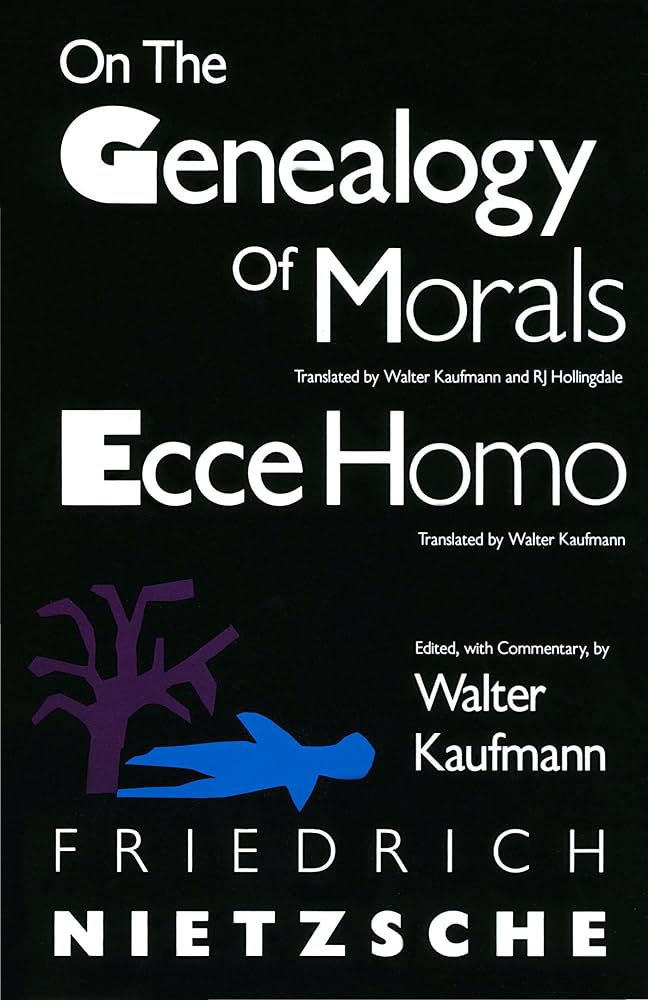
On the Genealogy of Morals (1887)
On the Genealogy of Morals is one of Friedrich Nietzsche’s most systematic explorations of morality and its origins. Published in 1887, the book consists of three interconnected essays examining concepts such as good and evil, guilt, bad conscience, ressentiment, and ascetic ideals.
Nietzsche argues that moral values developed through historical and psychological forces rather than existing as timeless truths.
He traces how power struggles and changing social conditions shaped ideas of morality, challenging readers to question the values they have inherited. The work builds on themes from Beyond Good and Evil and remains essential for understanding Nietzsche’s critique of traditional morality.
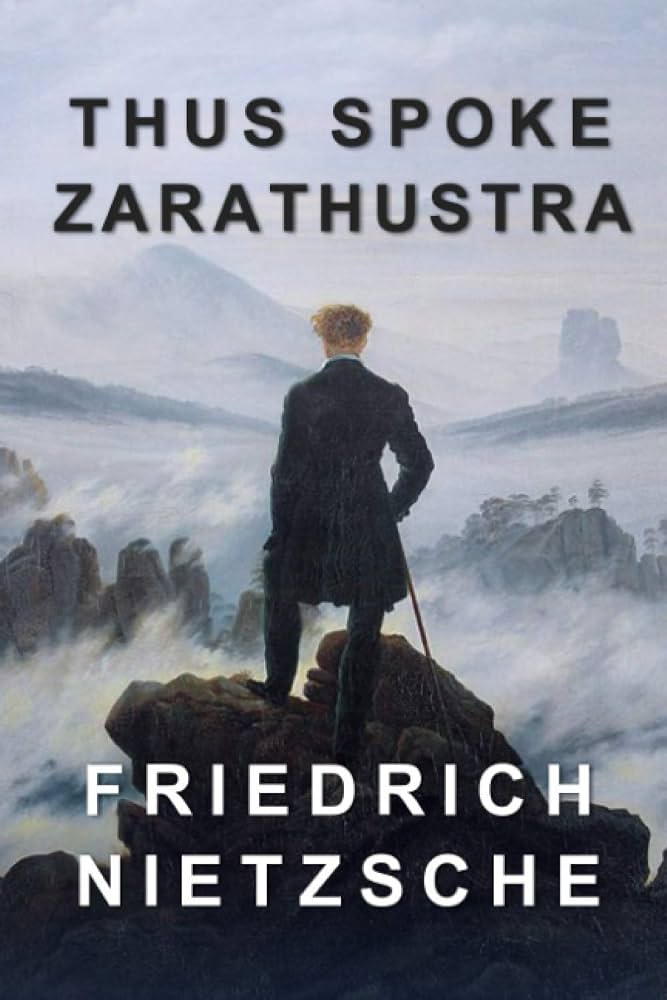
Thus Spoke Zarathustra (1883–1885)
Thus Spoke Zarathustra is among Friedrich Nietzsche’s most famous and distinctive philosophical works.
Written between 1883 and 1885, it presents philosophy through poetic speeches, parables, symbolism, and the fictional prophet Zarathustra rather than conventional arguments.
The book explores several central Nietzschean ideas, including the Übermensch (Overman), self-overcoming, the will to power, and eternal recurrence. Nietzsche uses Zarathustra’s journey to challenge traditional morality and encourage individuals to create and affirm their own values.
Its unusual literary style makes it both philosophically challenging and deeply imaginative, making it an essential read for anyone exploring Nietzsche’s ideas.
You may also check – Write Your Life: Turn Your Memories Into a Legacy With My Story, My Legacy
You may also read – Dune Books in Order: Complete Reading Guide – Start Now!
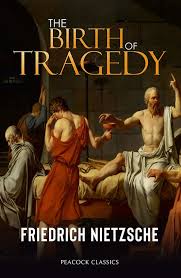
The Birth of Tragedy (1872)
The Birth of Tragedy is Friedrich Nietzsche’s first major book, published in 1872, and an important foundation for understanding his philosophy of art.
Nietzsche examines the origins of Greek tragedy through the tension between two artistic forces: the Apollonian, associated with order, form, clarity, and individuality, and the Dionysian, associated with music, ecstasy, instinct, and the dissolution of individuality.
He argues that Greek tragedy reached its greatest power by uniting these seemingly opposing elements. The book also critiques excessive rationalism and explores how tragedy can affirm life despite suffering.
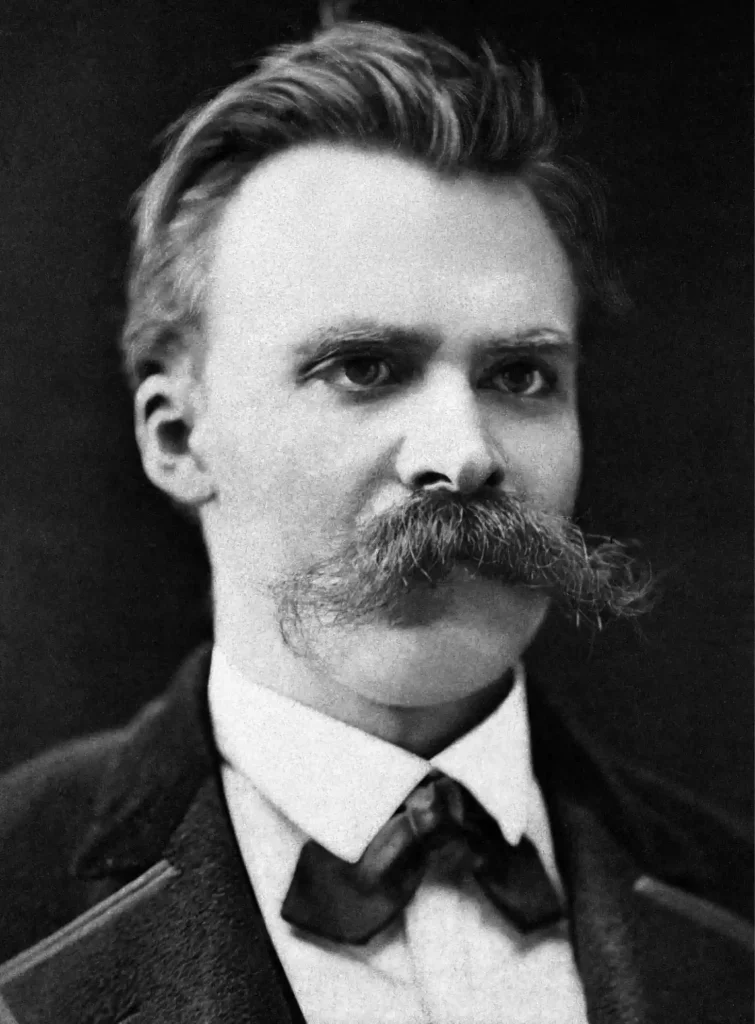
The Late Polemics (1888)
The Late Polemics refers to Nietzsche’s forceful critical writings from 1888, rather than a single standalone book. During this final productive year, he produced works including The Case of Wagner, Twilight of the Idols, The Antichrist, and Nietzsche contra Wagner.
These texts sharpen his attacks on Christianity, traditional morality, European culture, and Wagner’s artistic influence.
Nietzsche’s writing becomes particularly direct, provocative, and confrontational, while revisiting themes such as decadence, cultural decline, and the revaluation of values. Reading these late works together provides insight into the culmination of Nietzsche’s philosophical development and his increasingly polemical style.
The Complete Chronological Chronology
If you prefer to read works in the exact sequence they were created, refer to this timeline of his major publications:
The Birth of Tragedy
1872
Explores Apollonian and Dionysian aesthetics in ancient Greek drama.
Human, All-Too-Human
1878
Marks his shift toward aphorisms, psychological observation, and free-thinking.
The Gay Science

1882
Introduces the death of God and eternal recurrence in a buoyant prose style.
Thus Spoke Zarathustra
1883–1885
His literary masterpiece presented in parabolic, quasi-scriptural verse.
Beyond Good and Evil
1886
A sharp, direct prose commentary unpacking the core ideas of Zarathustra.
On the Genealogy of Morals
1887
Three systematic essays breaking down the psychological origins of moral value.
Twilight of the Idols & Ecce Homo
1888
Final mature works offering concise summaries and autobiographical reflection.
You may also like – Percy Jackson Books in Order: Read the Series Now!
You may also read – Indian Freedom Fighters: 25 Heroes to Know & Honor!
Conclusion
Navigating Friedrich Nietzsche books doesn’t have to be overwhelming. By starting with The Gay Science, grounding your understanding in On the Genealogy of Morals, and culminating with Thus Spoke Zarathustra, you will experience one of history’s most compelling minds in the clearest way possible.
