

climate change books is one of the biggest challenges facing our planet. It affects the weather, oceans, forests, wildlife food and the way people live. But understanding it does not have to be difficult. The right climate change books can explain what is happening, why it matters, and what we can do about it.
While some novels tell true tales about people the natural world and environmental harm others examine the science underlying global warming. Strong novels that envision what life might be like in a world that is changing are also available.
These books can help you see the problem from a variety of perspectives whether you are an inquisitive reader a student, a writer, or someone who enjoys the outdoors.
Ten works that combine science history human narratives useful answers and fiction are included in this guide. Additionally there are suggestions for novices and advice to assist you in selecting the ideal book.
Table Of Contents
- 10 Best Climate Change Books Everyone Should Read
- 1. The Sixth Extinction by Elizabeth Kolbert
- 2. The Uninhabitable Earth by David Wallace-Wells
- 3. Braiding Sweetgrass by Robin Wall Kimmerer
- 4. The Ministry for the Future by Kim Stanley Robinson
- 5. Silent Spring by Rachel Carson
- 6. All We Can Save
- 7. The Overstory by Richard Powers
- 8. Drawdown
- 9. Flight Behavior by Barbara Kingsolver
- 10. The Great Derangement by Amitav Ghosh
- Conclusion
- Frequently Asked Questions
10 Best Climate Change Books Everyone Should Read
The books below cover different parts of the climate conversation. Some explain scientific discoveries, others explore environmental problems, and a few use storytelling to help readers imagine possible futures.
1. The Sixth Extinction by Elizabeth Kolbert
Best for: Understanding biodiversity loss and human impact on nature.
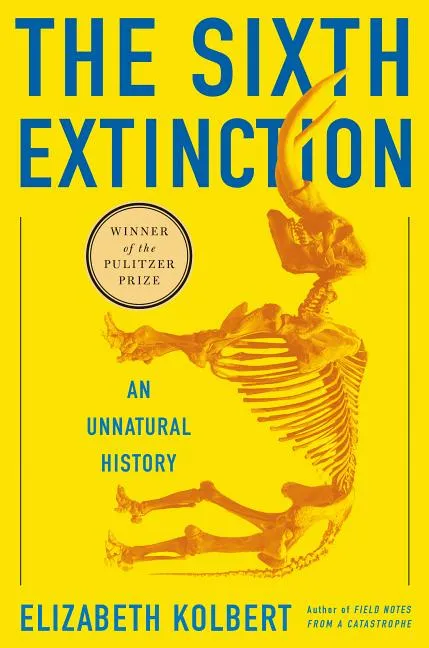
The Sixth Extinction: An Unnatural History by Elizabeth Kolbert is one of the most well-known environmental books. It explores the possibility that Earth is experiencing another major extinction event, this time driven largely by human activities.
Kolbert travels to different parts of the world to explain how human actions are changing natural environments. She looks at endangered species, disappearing habitats, ocean changes, and scientific research that helps us understand the problem.
What makes this book interesting is its storytelling. Instead of presenting only scientific facts, Kolbert introduces readers to researchers, places, and animals connected to the crisis.
Why read it?
- Understand how human activities affect wildlife.
- Learn why biodiversity matters.
- Explore the connection between environmental damage and climate change.
- Discover real examples through engaging reporting.
If you enjoy nature writing and science, this is a strong choice. It is not only about global warming; it also explores the wider environmental crisis.
You may also like – 15 Best Funny Books of All Time That Will Make You Laugh
2. The Uninhabitable Earth by David Wallace-Wells
Best for: Understanding the possible consequences of climate change.
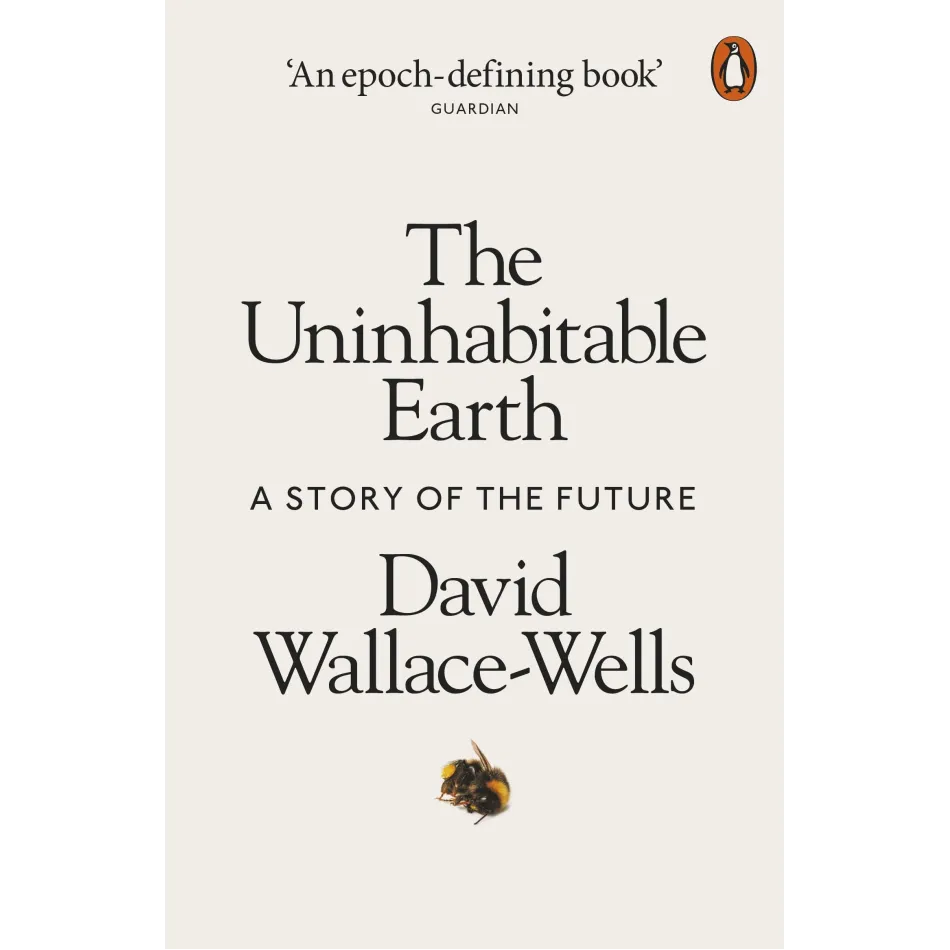
David Wallace-Wells examines what a warmer planet would entail for human life in The Uninhabitable Earth: Life After Warming.
Extreme heat, food shortages, increasing sea levels, economic strain, and widespread displacement are among the potential consequences covered in the book. It combines broader concerns about the future of society with scientific discoveries.
Wallace Wells has a straightforward and somber writing style. The book urges readers to comprehend why climate change warrants attention, yet some parts may be unsettling because they outline challenging prospects.
Why read it?
- Learn about different climate-related risks.
- Understand how warming can affect communities and economies.
- Explore the connection between environmental problems and daily life.
- Think about the choices that could shape the future.
This book is particularly useful for readers who want a broad introduction to the risks of climate change. Read it alongside scientific reports for a fuller understanding of the evidence and its uncertainties.
You may also like – Best Leadership Books: 10 That Can Change Your Life
You may also like – 10 Best Nonfiction Audiobooks to Listen
3. Braiding Sweetgrass by Robin Wall Kimmerer
Best for: Connecting nature, science, and traditional ecological knowledge.
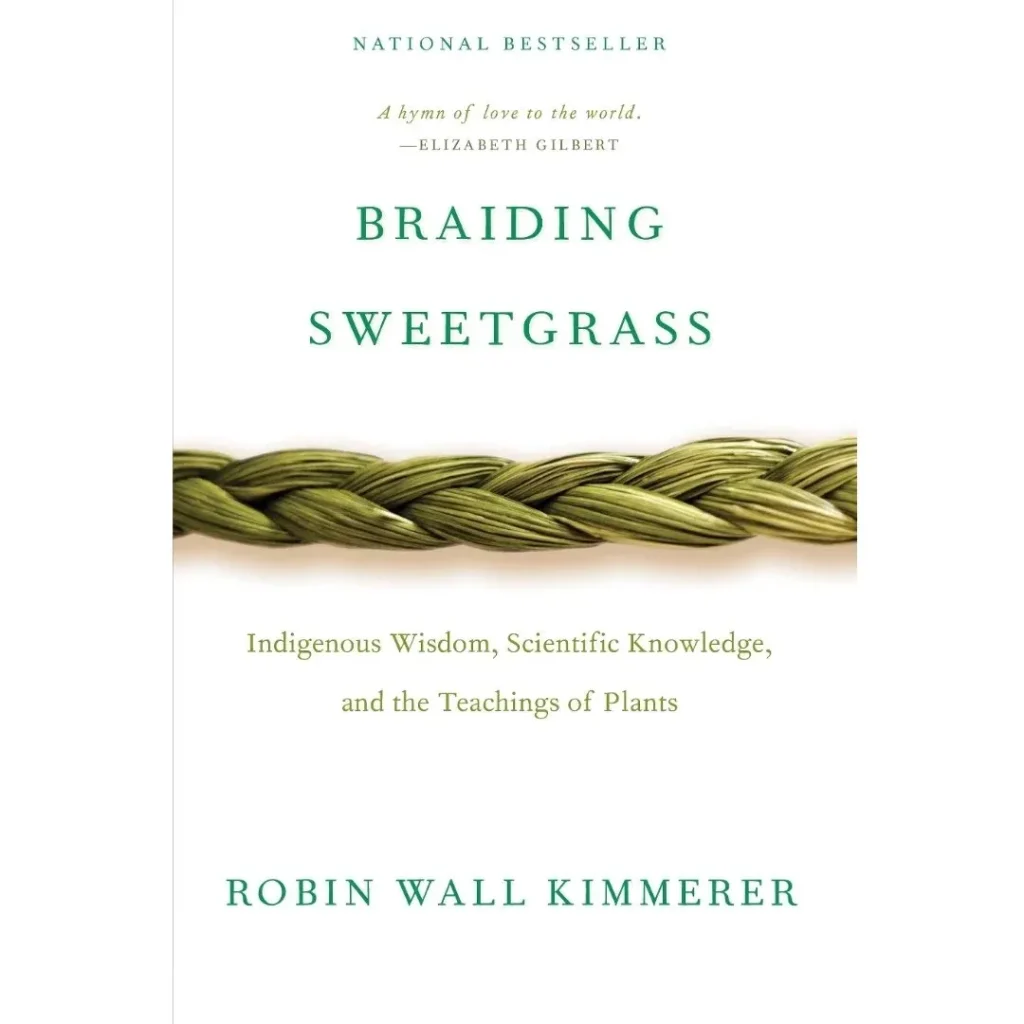
Robin Wall Kimmerer’s book Braiding Sweetgrass: Indigenous Wisdom, Scientific Knowledge, and the Teachings of Plants provides a contemplative approach to comprehending our relationship with nature.
Kimmerer belongs to the Citizen Potawatomi Nation and works as a botanist. She incorporates personal experiences, scientific information, Indigenous teachings, and plant-related stories in her book.
She challenges readers to consider responsibility, care, thankfulness, and the relationship between humans and the natural environment rather than viewing it as something that humans merely utilize.
Why read it?
- Develop a deeper appreciation for plants and ecosystems.
- Explore different ways of understanding nature.
- Learn about respect and responsibility toward the environment.
- Discover beautiful examples of nature writing.
This is one of the best books about the environment for readers who enjoy reflective writing. It does not focus only on climate science, but it offers an important perspective on why protecting the natural world matters.
You may also like – 10 Best Horror Graphic Novels That Will Give You Chills
You may also like – Best Greek Mythology Books: Explore Legendary Tales Today!
4. The Ministry for the Future by Kim Stanley Robinson
Best for: Exploring possible climate futures through fiction.
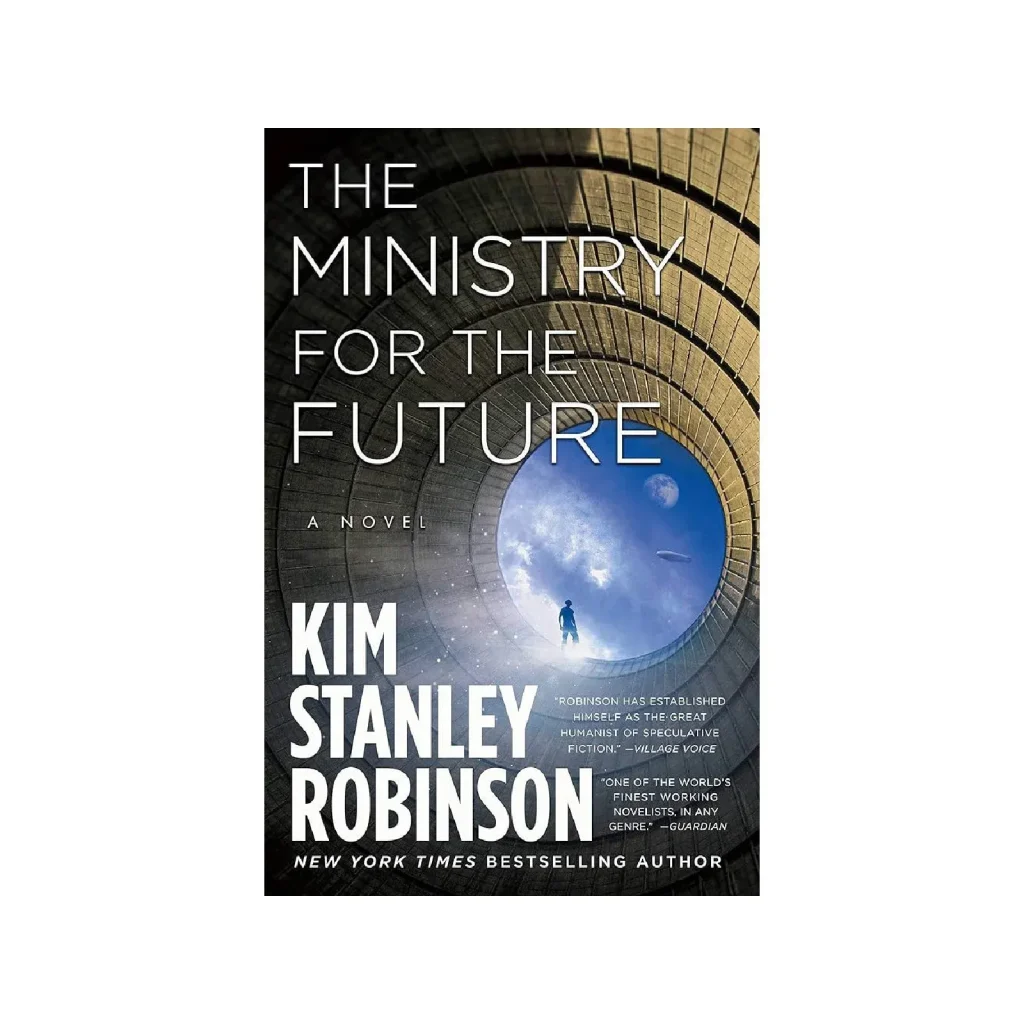
Kim Stanley Robinson’s science fiction book The Ministry for the Future is set in a near-future world where climate change is a problem.
The narrative centers on a global organization established to serve the interests of next generations. Governments, financial institutions, technology, communities, and challenging choices about environmental protection are all part of its activities.
Extreme temperatures, political disputes, economic shifts, and potential climate solutions are all explored in the book. It blends concepts from science, politics, and society with fictional storytelling.
Why read it?
- Imagine how climate change could shape the future.
- Explore the role of governments and international organisations.
- Think about possible solutions and their challenges.
- Understand how climate issues connect with money, politics, and society.
If you enjoy science fiction with real-world themes, this book deserves a place on your reading list. It is also a good example of how climate fiction novels can make complex issues easier to imagine.
You may also like – Cormac McCarthy Books: Uncover His Literary Masterpieces
5. Silent Spring by Rachel Carson
Best for: Understanding the history of environmental awareness.
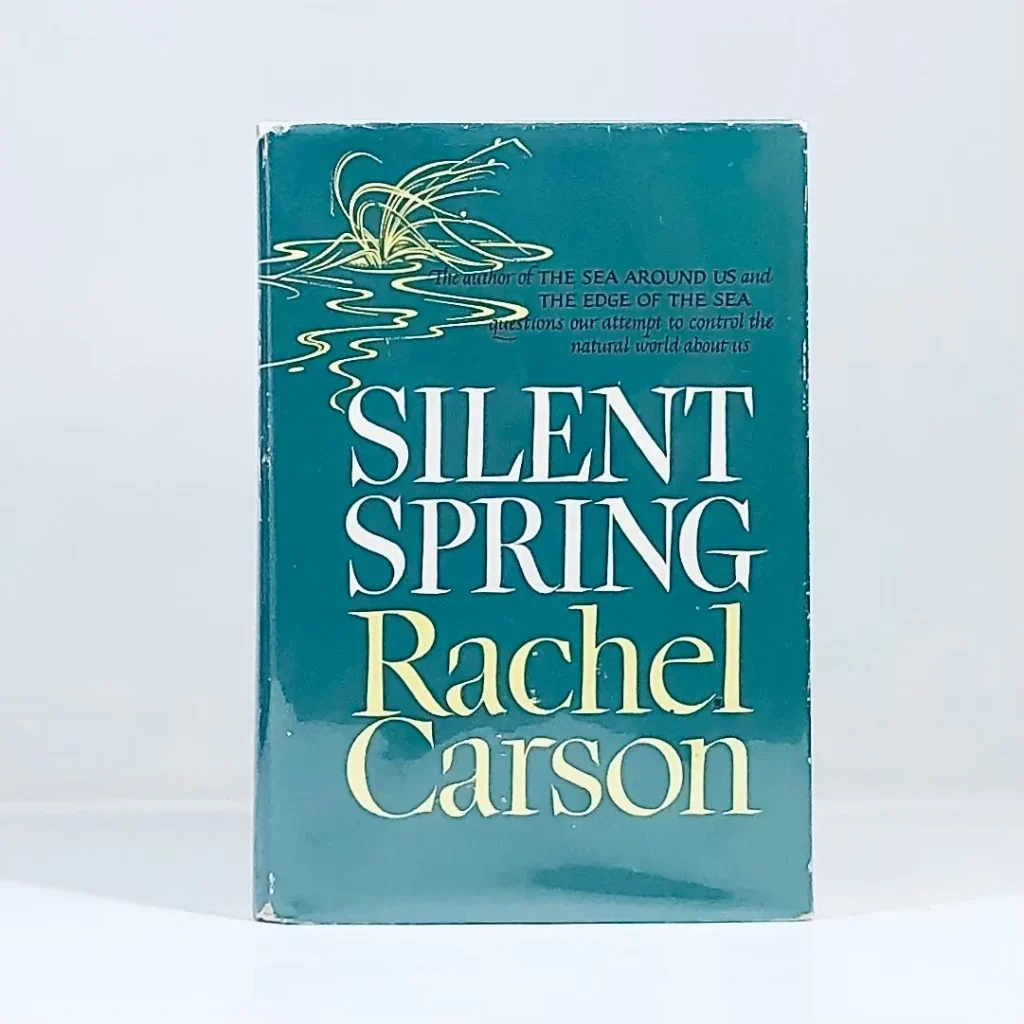
Rachel Carson’s 1962 book Silent Spring is a seminal piece of environmental literature. It looks at how pesticides affect ecosystems, wildlife, and human health.
Carson describes how chemicals used to manage insects can have an impact on soil, water, birds, and other natural elements. Her writing contributed to raising public awareness of the dangers of utilizing chemicals without fully comprehending their effects.
The theme of this book is intimately related to the larger environmental movement, even if it is not directly about climate change.
Why read it?
- Understand how pollution can damage ecosystems.
- Learn about the history of environmental protection.
- Explore the importance of scientific research.
- Discover how writing can influence public awareness.
For readers who love science, history, and nature, Silent Spring remains an important choice. It also shows how one carefully researched book can change the way people think about the environment.
6. All We Can Save
Best for: Discovering different voices and ideas about climate solutions.
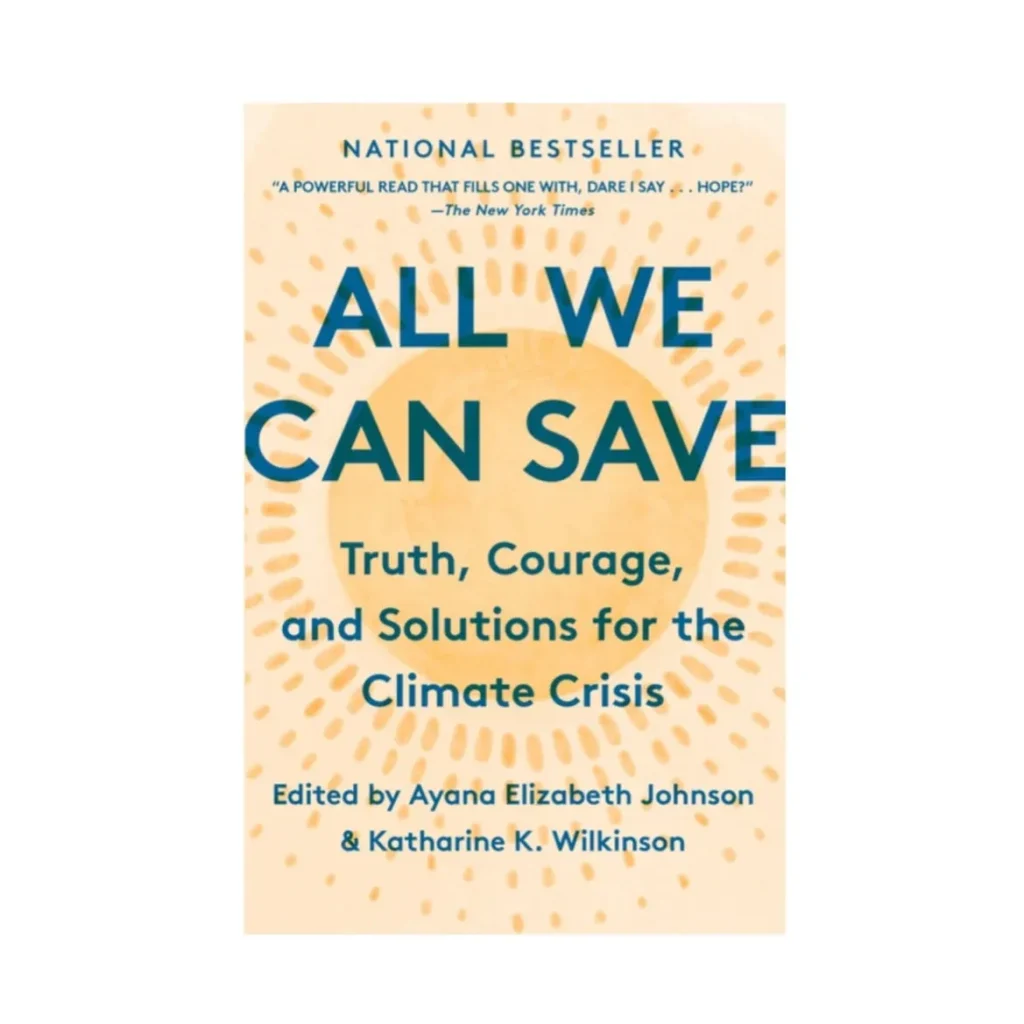
Ayana Elizabeth Johnson and Katharine K. Wilkinson edited the anthology All We Can Save: Truth, Courage, and Solutions for the Climate Crisis.
It compiles writings by women involved in all facets of the climate movement, including essays and poetry. They have worked in the fields of research, activism, education, policy, community service, and personal accountability.
The book’s diversity is one of its strong points. It lets readers examine several perspectives and methods rather than presenting climate change from a single point of view.
Why read it?
- Discover a range of perspectives on climate action.
- Learn about people working toward environmental solutions.
- Read personal stories alongside practical ideas.
- Explore the connection between courage, community, and change.
This book is especially interesting for readers, poets, authors, and writers. Its mix of essays and creative writing can also inspire people who want to write about environmental issues.
You may also like – Shadow Archetype: Meaning, Examples & Carl Jung’s Theory
7. The Overstory by Richard Powers
Best for: Understanding the importance of forests through fiction.
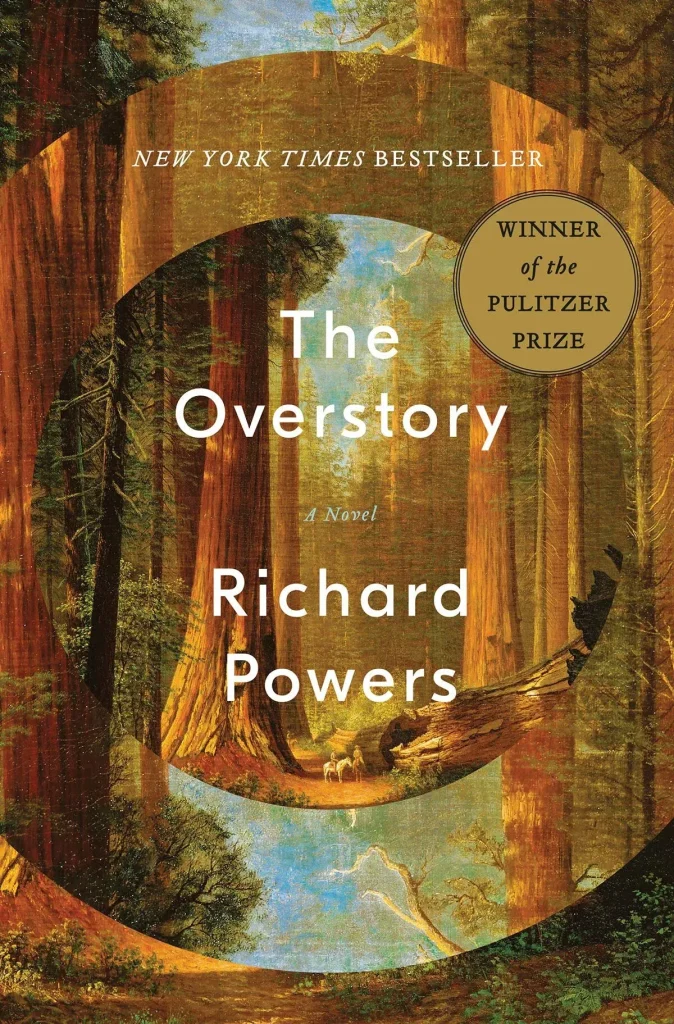
In Richard Powers’ novel The Overstory, a number of people’s relationships with trees and woods are used to connect their lives.
The narrative centers on various persons whose encounters with nature gradually unite them. In this book, trees are more than just background scenery. They are essential to its themes and narrative.
Powers examines human relationships with nature, environmental activism, deforestation, and the significance of forest preservation.
Why read it?
- Develop a stronger appreciation for forests.
- Explore the connection between humans and the natural world.
- Understand environmental activism through fiction.
- Experience thoughtful storytelling with a strong environmental message.
If you enjoy literary fiction, this is one of the best books about the environment to consider. It is also a reminder that novels can encourage readers to care about issues they might not normally explore.
8. Drawdown
Best for: Learning about practical climate solutions.
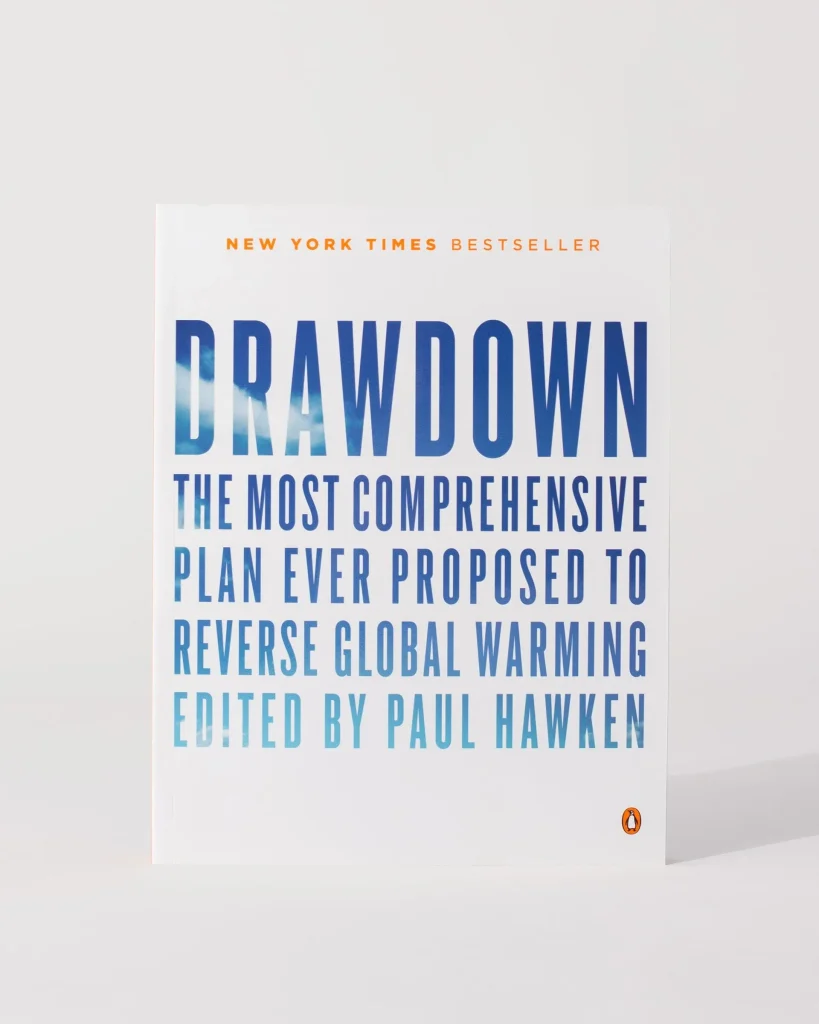
Paul Hawken edited book Drawdown: The Most Comprehensive Plan Ever Proposed to Reverse Global Warming concentrates on solutions rather than merely outlining environmental issues.
Research and suggestions for mitigating climate change and lowering greenhouse gas emissions are compiled in this book. Energy, food, architecture, transportation, land use, and materials are among the topics it investigates.
Its method is helpful because it demonstrates that taking action on climate change is not dependent on a single innovation or straightforward solution. Various approaches can cooperate in various spheres of society.
Why read it?
- Discover practical approaches to reducing emissions.
- Learn how food and energy systems affect the climate.
- Explore the role of technology and land management.
- Understand why climate solutions require many different actions.
This is a useful choice for readers who want to move beyond understanding the problem and learn about possible responses. Some of its estimates and rankings should be read in the context of the research available when the book was published.
9. Flight Behavior by Barbara Kingsolver
Best for: Exploring climate change through an engaging novel.
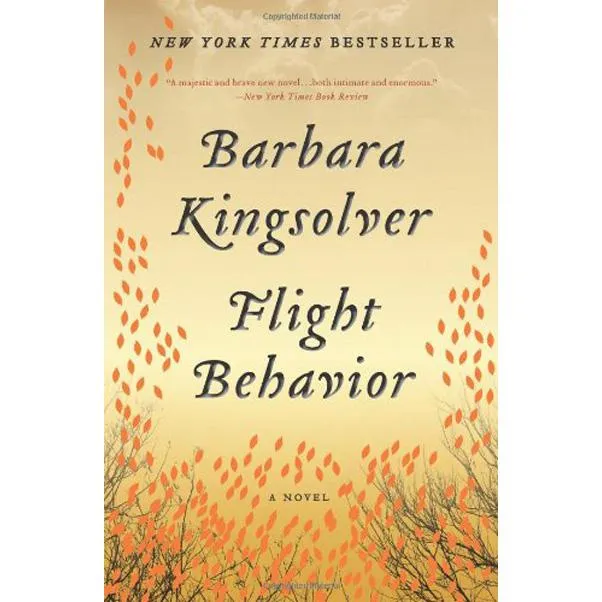
Barbara Kingsolver’s literary novel Flight Behavior links a peculiar natural occurrence to more general concerns about the environment and climate.
The narrative centers on Dellarobia Turnbow, a rural Tennessee resident. When she finds a sizable population of monarch butterflies in the neighboring mountains, her life is completely transformed.
Scientists and the general public are interested in the event. The story examines local beliefs, economic pressure, climate science, and the difficulties of explaining environmental change through the characters’ arguments.
Why read it?
- Understand climate issues through human experiences.
- Explore the relationship between science and public opinion.
- Discover how environmental changes affect local communities.
- Enjoy a character-driven literary story.
Readers who prefer novels to scientific explanations may find this book especially engaging. It shows how climate fiction can bring environmental questions into everyday conversations.
10. The Great Derangement by Amitav Ghosh
Best for: Understanding climate change through literature and culture.
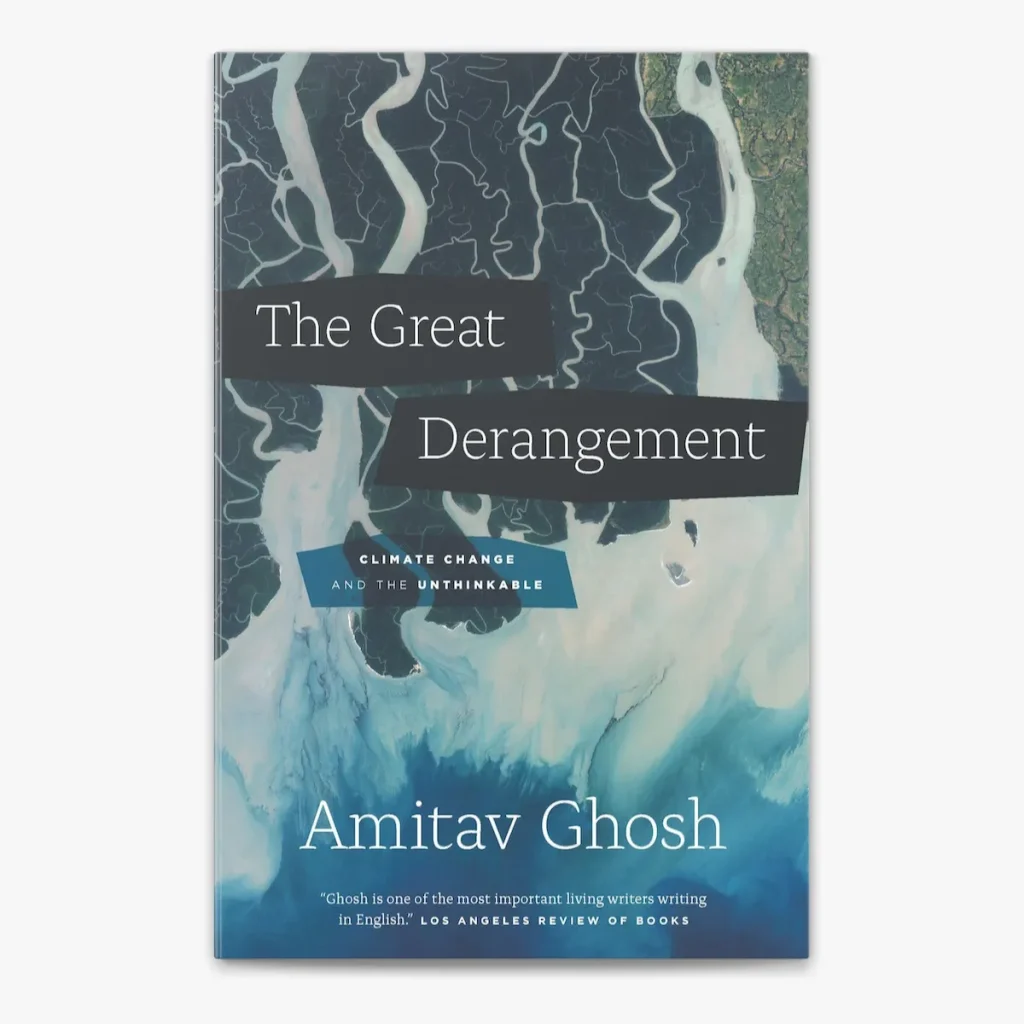
Amitav Ghosh book The Great Derangement: Climate Change and the Unthinkable delves into the reason why modern literary and cultural productions are largely unable to process or capture the sheer scale of climate change.
Ghosh discusses the relative lack of major climate events within the narratives of classic literature as well as the ways that climate change intersects with history politics and the ways that we conceptualize what lies ahead.
It is an interesting read for anyone who appreciates literature and criticism or enjoys thought provoking essays.
Why read it?
- Explore how writers represent environmental change.
- Understand the relationship between literature and climate.
- Think about the role of storytelling in public awareness.
- Discover a literary perspective on a global issue.
For poets, authors, and creative writers, this book offers valuable ideas about how environmental themes can become part of meaningful storytelling.
Conclusion
Climate change is a complex issue, but reading the right books can make it easier to understand. From the scientific reporting in The Sixth Extinction to the imaginative storytelling of The Ministry for the Future, every book on this list offers a different way to explore our changing planet.
Frequently Asked Questions
1. What are the best books about climate change
Some popular choices include The Sixth Extinction by Elizabeth Kolbert, The Uninhabitable Earth by David Wallace-Wells, Silent Spring by Rachel Carson, and Braiding Sweetgrass by Robin Wall Kimmerer. Each explores a different part of the environmental conversation.
2. Which climate change books are best for beginners
Braiding Sweetgrass, The Sixth Extinction, and The Uninhabitable Earth are useful starting points. They introduce environmental topics through stories, examples, and accessible explanations.
3. What is the difference between climate change and global warming
Global warming refers to the long-term rise in Earth’s average temperature. Climate change is a broader term that includes warming and other long-term changes, such as shifting rainfall patterns, rising sea levels, and changes in extreme weather.
4. Are there good climate fiction novels
Yes. The Ministry for the Future by Kim Stanley Robinson, The Overstory by Richard Powers, and Flight Behavior by Barbara Kingsolver are three notable examples of fiction exploring environmental themes.
5. Can reading books help us understand climate change
Yes. Books can explain scientific research, environmental history, possible risks, and solutions in greater detail than many short articles. Reading different viewpoints can also help you understand the issue more clearly.