

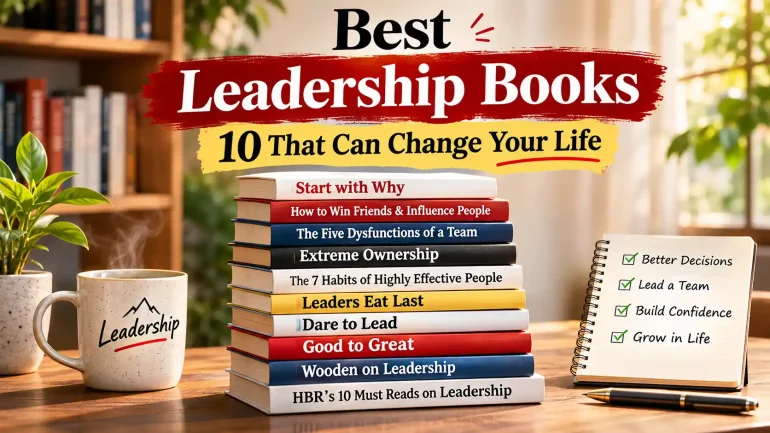
leadership books encompasses more than just carrying a fancy title overseeing personnel or addressing a crowd.
Being the leader means taking on difficult decisions, delivering the message clearly and accurately, being accountable for actions, figuring out what drives others, and facilitating their individual growth.
Reading the proper books on leadership can give the reader a number of real-life methods which they can implement both in their workplace and in their daily life.
This is the reason for the focus of this guide on 10 books presenting various facets of Leadership Books. Some books will show how to become more influential and effectively communicate with others; another kind is the ones that mainly emphasize on mission, group efforts, accountability, empathy, and self improvement.
Quick answer: Start with Why, How to Win Friends and Influence People, The Five Dysfunctions of a Team, or Extreme Ownership, to find a starting point with balance. Leadership is expressed differently in each of these books.
Not every popular business book turns out to be the best leadership reading either.
Table Of Contents
- What Makes a Leadership Book Worth Reading?
- 10 Most Outstanding Leadership Books to Read
- 1. Start with Why by Simon Sinek
- 2. How to Win Friends and Influence People by Dale Carnegie
- 3. The 5 Dysfunctions of a Team by Patrick Lencioni
- 4. Extreme Ownership by Jocko Willink and Leif Babin
- 5. The 7 Habits of Highly Effective People by Stephen R. Cove
- 6. Leaders Eat Last by Simon Sinek
- 7. Dare to Lead by Brene Brown
- 8. Good to Great by Jim Collins
- 9. Wooden on Leadership by John Wooden
- 10. HBR’s 10 Must Reads on Leadership
- Conclusion
- Frequently Asked Questions
What Makes a Leadership Book Worth Reading?
A leadership book should inspire your creative thinking so that you can find fresh applications in your own circumstances. It should give insights that you are able to gain and also make you a better decision maker in tough spots.
When selecting books from this list, think about the following questions:
- Are the suggested things practical ideas that you can implement in real life?
- Is there a leadership principle that the book demonstrates?
- Will it assist in acquiring leadership skills?
- Can the lessons learned apply not only to a particular job or industry but also cross over to various other aspects of life in general?
That is how both classic books and today’s newest leadership books can be helpful, respectively. A classic book might offer enduring insight into human nature and behavior through a historical lens; nowadays, a book might focus more on current issues such as leadership skills and culture change that happen in the workplace nowadays.
Leadership resources of Harvard Business Review also include a wide range of topics like courage, management, communication, change, decision-making, and leadership.
10 Most Outstanding Leadership Books to Read
Below we have listed 10 highly recommended books. Each of these books is an example of a different lesson in leadership.
1. Start with Why by Simon Sinek
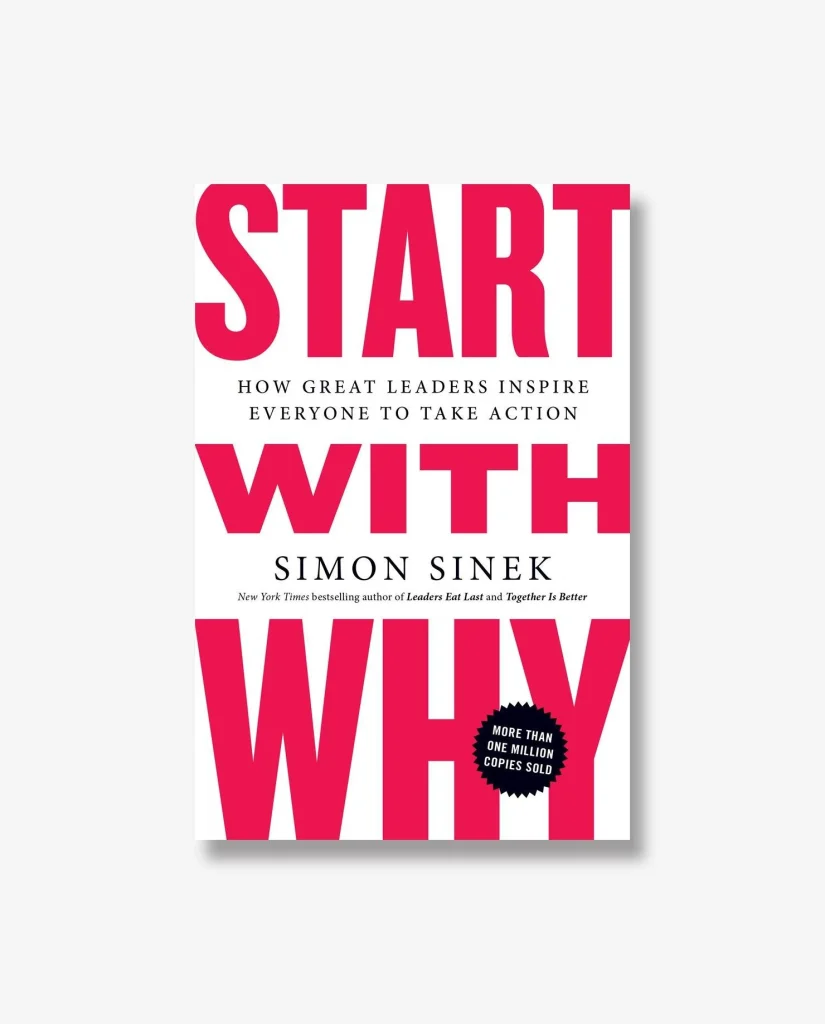
When looking for the Best Leadership Books on the subject of the importance of purpose, Simon sinek Start with Why is a definite read。
Simplicity is the essence of this idea which Simon Sinek puts forth.
Who do you think you would be without purpose?
In particular, this idea is very powerful for leaders since people do not simply follow the line of command because someone higher has the authority.
In fact, the motivation is higher when a person gets an understanding of the reason behind the work, in simple terms.
This book can be really helpful in the following areas:
- Purpose and vision
- Involving people
- Briefing with words
- Celebrating the team
- Creating trust
- The power from the leader in motivating
- Engaging workers
- Sparking imagination
A clear and concise purpose is one factor that can make all the difference in your communication of the business idea to potential customers, employees and partners in business and a great Best Leadership Books for Entrepreneurs is Start with Why that is a must-
Great for: People who are aiming to become leaders, business men and women, business owners, and others who create things.
Lesson: An effective leader is one who not only lays down the job to be done but also gives the ‘reason’ for why it is important.
You may also like – Jonathan Cahn Books in Order: Discover the Full List
2. How to Win Friends and Influence People by Dale Carnegie
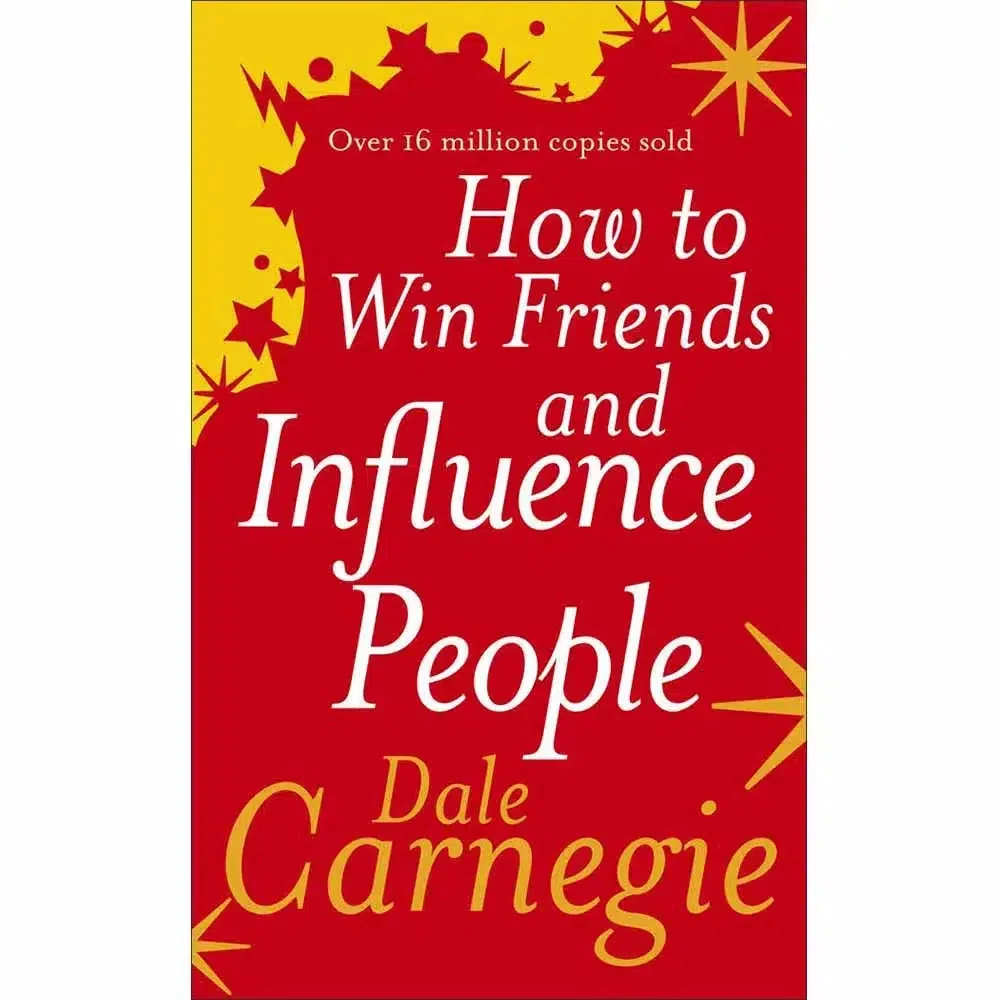
The fact that the book isn’t about corporate leadership exclusively doesn’t stop its lessons about human relationships from being among the most influential leadership lessons.
Dale Carnegie emphasizes communication, empathy, appreciation, listening, and getting to know other people.
The above skills are the building blocks of leadership.
A manager may be a very good technical person but still fail in leadership if communications with the team fail on his/her behalf. Similarly, the entrepreneur with a good business idea may still fail to achieve anything because the person is unable to build relationships with others.
Carnegie’s book suggests that one should become more conscious of their dealings and actions towards the others around them.
Who would benefit most? The beginners, students, managers, writers, sales professionals, or just anyone who regularly interacts and works with other people.
The message from the book in terms of the leader: The ability to influence others grows stronger when people feel respected and understood.
3. The 5 Dysfunctions of a Team by Patrick Lencioni
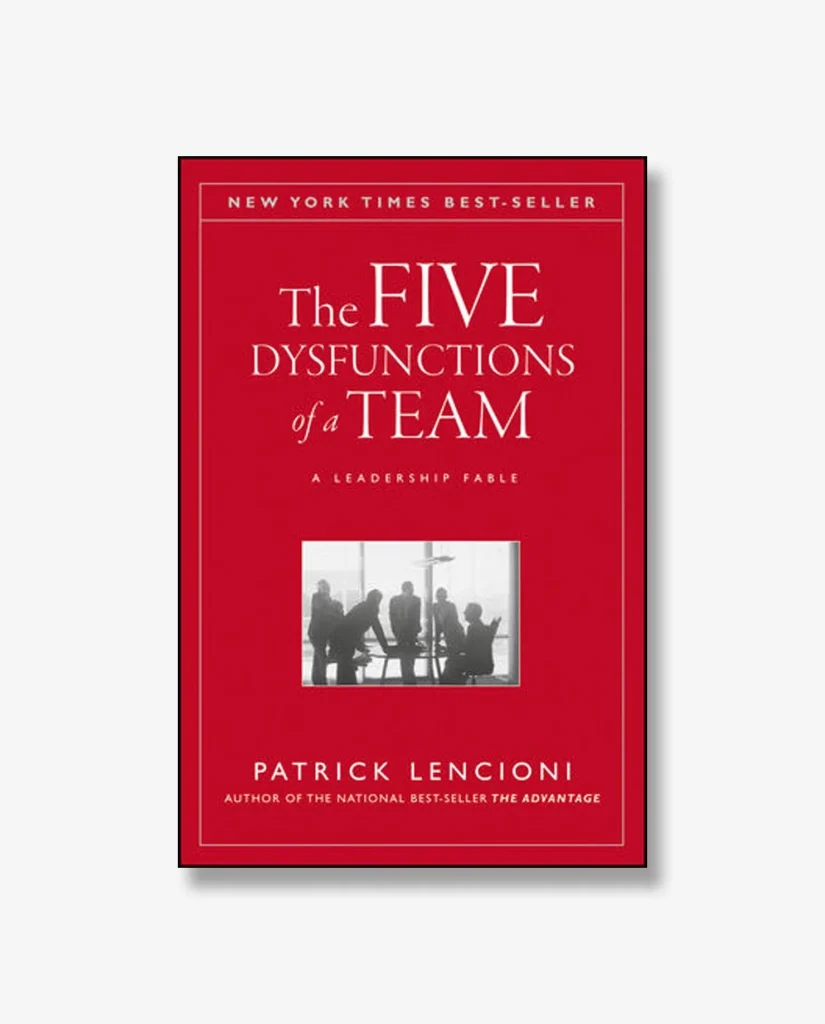
Good leadership should focus on how teams function, not just being a good leader.
This book takes a look at the reasons why teamwork fails. It introduces these issues through a work of fiction so that they become easy to grasp concepts.
The author’s method identifies five levels at which trust and cooperation can break down:
- No trust
- Conflict avoidance
- No commitment
- No accountability
- Results neglect
This kind of breakdown is ideal if you want to find some good Leadership Books for Management.
A business strategy may be perfect, but unless team members are mutually supportive or willing to have tough talks, implementation can get off track.
James Clear’s book lists this title as part of their leadership reading so the popularity of The Five Dysfunctions of a Team is quite clear.
Recommended for: managers, team leaders, entrepreneurs, people in businesses.
What have they taught about leadership? Team performance relies on trust, communication, commitment, responsibility and a focus on common goals。
You may also like – Vince Flynn Books in Order: Start Reading Today
4. Extreme Ownership by Jocko Willink and Leif Babin
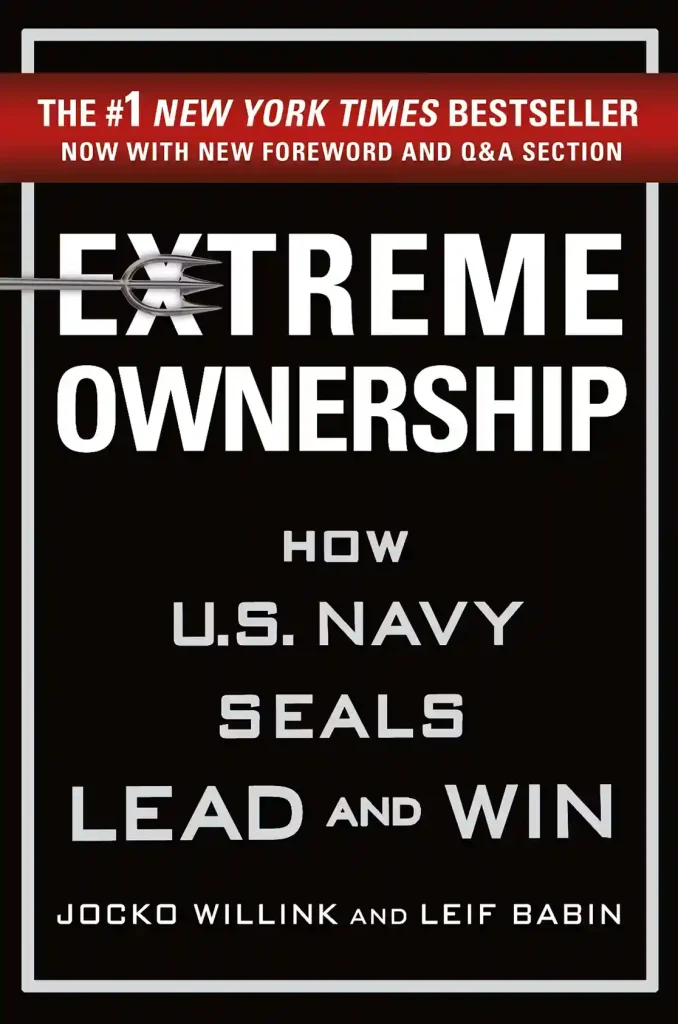
One of the best concepts of leadership is responsibility.
The Extreme Ownership concept applies principles of military leadership to business and day-to-day leadership situations.
The core concept is very clear: leaders must take responsibility for their team’s work rather than instantly putting all the blame on somebody else or some factors.
It does not mean that a leader has caused everything. But it means that leaders should start thinking about the following question:
“What could I do differently to change the situation?”
Such a concept may influence your view of mistakes a lot.
Not just:
“My team made a mistake.”
But:
“What could I do to prevent my team from making a mistake?”
Leadership lesson: Taking responsibility will give a chance to improve the situation rather than explain why it went wrong.
5. The 7 Habits of Highly Effective People by Stephen R. Cove
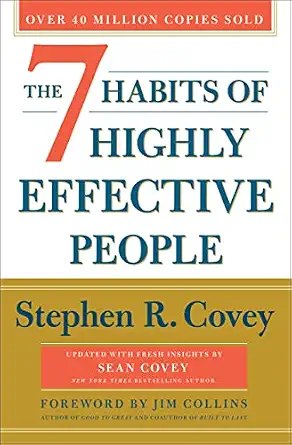
Some of the best ways to learn leadership start with individual self-discipline.
Covey’s book talks about principles and habits that can make people more effective personally and professionally.
These include things like:
Being proactive
Prioritizing
Thinking win-win
Listening before attempting to be heard
Effective collaboration
Continuous improvement
These principles link personal development to leadership skills.
An individual who is not able to prioritize will find it difficult to manage a group. An individual who is unable to listen may find it difficult to understand his/her employees and clients.
That is why this book is great for people interested in developing both leadership skills and personal effectiveness.
This book is ideal for: Beginners, professionals, students, managers, and individuals interested in personal development.
Leadership lesson: Effective leadership starts with leading yourself before leading others.
6. Leaders Eat Last by Simon Sinek
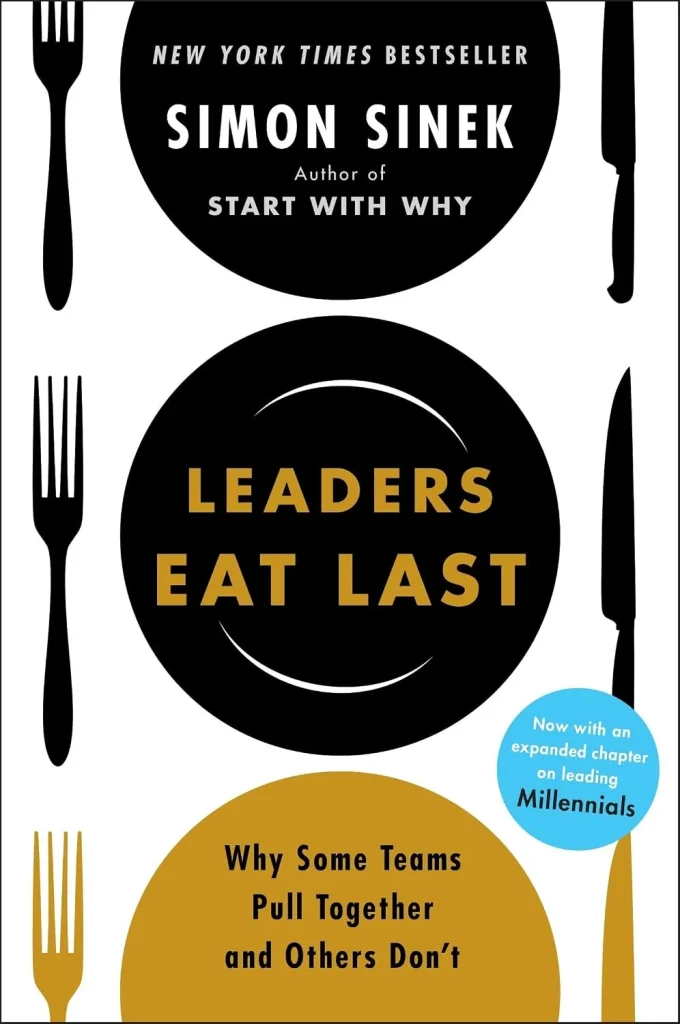
Why do people want to be followers of a leader?
Leaders Eat Last discusses the interconnection between leadership, trust, collaboration, and organization’s culture.
Leaders must provide a working environment where people can feel safe, appreciated, and taken care of.
It is related to Servant Leadership, one of the leadership styles which focuses on people support provided by a leader.
In this way, a servant leader doesn’t think about the leadership in terms of power, but he understands it as an obligation to assist his/her team in reaching their goal.
It is especially useful for managers trying to establish positive relationships within their team.
Who should read this book? For managers, team leaders, HRs, and business owners.
Leadership insight: People tend to work harder if they believe in the environment and their leaders.
7. Dare to Lead by Brene Brown
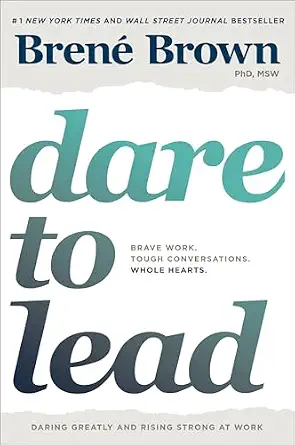
Leadership also requires courage.
Dare to Lead talks about vulnerability, courage, trust, emotional intelligence, and rumbling with vulnerability.
The work breaks the myth that people in leadership positions are supremely confident and outwardly emotionless.
Great leaders can include being vulnerable with those closest to you, having honest dialogues, seeking counsel, being not afraid to ask for help, all while still maintaining good leadership.
It is associated with emotional intelligence in many leadership approaches today.
For writers, creative professionals, authors and those in collaborative settings the lessons may resonate more because creativity is about providing psychological safety and open, honest dialogue.
Who it is for: Leaders and managers today, creative teams, entrepreneurs, and professionals.
Leadership takeaway: Courage is not the absence of vulnerability but doing the right thing despite the vulnerability.
You may also like – List of 7 Non Fiction Books on Kindle Unlimited
8. Good to Great by Jim Collins
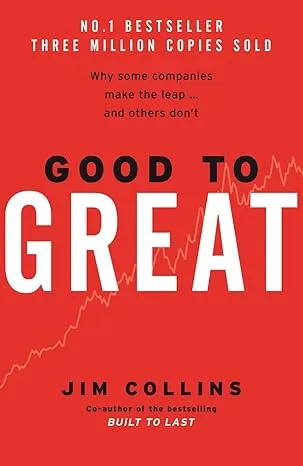
What is the difference between a good company and a great company?
This is the fundamental question underlying Good to Great.
Author Jim Collins focuses on how companies can transition from good to greatness. The book is based on concepts related to discipline in people, discipline in thoughts, discipline in actions, leadership, and organizational focus.
As a leader, what should you consider reading this book?
Are we just getting bigger or are we building a business that will stand the test of time?
It is particularly relevant for those with interest in business strategies and organizational leadership.
Best for: Entrepreneurs, business executives, business owners, and managers.
Leadership insight: Success depends on disciplined people, disciplined thinking, and disciplined action.
9. Wooden on Leadership by John Wooden
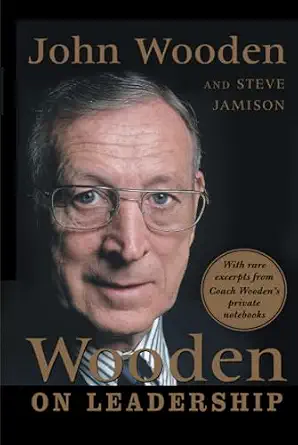
John Wooden was known for being a successful basketball coach; however, the principles discussed in Wooden on Leadership apply way beyond just playing ball.
These include preparation, character, discipline, team work, and improvement.
This is why this book will be interesting to all those who would like to learn leadership from its principles without resorting to complicated management theories.
Leadership is not only about victory. It is about principles that generate good results.
This is particularly beneficial for young leaders who are trying to develop their personal leadership philosophy.
10. HBR’s 10 Must Reads on Leadership
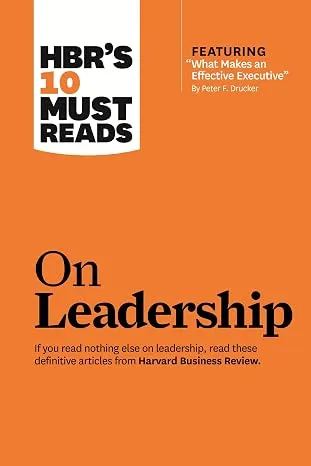
For those who are interested in having a wider reading range than just the philosophy of one particular person, HBR’s 10 Must Reads on Leadership can be considered.
Harvard Business Review’s collection includes ideas of various authors in regard to leadership and emphasizes developing oneself into an effective leader.
The wider HBR leadership collection contains topics ranging from communication and change, decision making, managing people, emotional intelligence, to leadership effectiveness.
Thus, it is especially helpful for managers who are seeking comparisons rather than sticking to one approach to leadership.
Best for: Managers, executives, professionals, MBA students, and experienced leaders.
Leadership lesson: There is no one leadership approach for all situations. Good leaders keep learning and improving.
Conclusion
Good leadership starts with learning and taking action. The books in this list can help you become a better leader, improve your communication, build confidence, and make better decisions.
You do not need to read all 10 books at once. Start with one book that matches your needs. Read a few pages every day and try to use what you learn in your daily life.
Remember, a good leader is not just someone who gives orders. A good leader listens, supports others, learns from mistakes, and helps people grow.
Frequently Asked Questions
What are some of the best leadership books
Some good options include: Start with Why, How to Win Friends and Influence People, The Five Dysfunctions of a Team, Extreme Ownership and The 7 Habits of Highly Effective People.
Can you suggest any introductory leadership books
These 3 are great starting points because they are quite accessible and you’ll be able to take the lessons away into your everyday life: Start with Why, The 7 Habits of Highly Effective People, How to Win Friends and Influence People.
Are there any other good leadership books for people in management roles
You could also read The Five Dysfunctions of a Team, Leaders Eat Last, Extreme Ownership, Dare to Lead or the HBR’s 10 Must Reads on Leadership.
How can I improve my leadership through reading
By exposing yourself to different frameworks, theories and advice you can build on. However, only through taking action on what you learn will you truly develop.
Yes, I can read my way to becoming a stronger leader.
Through quality leadership books you can learn about: Strategy, Collaboration, EQ, Owning outcomes, Judgement, Interpersonal skills, Self-belief and Resolving disputes.
What are the greatest leadership books ever written
This is difficult to say definitively but some standouts that have had a profound impact on leaders and companies around the world are: How to Win Friends and Influence People, The 7 Habits of Highly Effective People, Start with Why and Good to Great.