


Ken Kesey remains one of those American writers whose name immediately brings to mind rebellion, individuality, and the struggle against systems of control. His best-known novel, One Flew Over the Cuckoo’s Nest, became a landmark of twentieth-century American literature, but Ken Kesey Books extend far beyond the famous cuckoo nest book.
From the Pacific Northwest landscapes of Sometimes a Great Notion to the experimental nonfiction of Demon Box and the ecological imagination of Sailor Song, Kesey repeatedly explored outsiders, communities, freedom, identity, and the tension between individuals and institutions.
If you are looking for books by Ken Kesey, this guide takes you beyond his most famous novel.
You will discover his major works, publication history, recurring themes, reading recommendations, and the literary legacy that continues to make his writing relevant.
Quick answer: Ken Kesey is best known for One Flew Over the Cuckoo’s Nest (1962) and Sometimes a Great Notion (1964).
His other published works include Kesey’s Garage Sale, Demon Box, Caverns, The Further Inquiry, Little Tricker the Squirrel Meets Big Double the Bear, The Sea Lion, Sailor Song, and Last Go Round. Penguin Random House also lists several of these works in its author bibliography.
Table Of Contents
Who Was Ken Kesey?
Ken Kesey was born in 1935 in Colorado and grew up in Oregon. He attended the University of Oregon before studying creative writing at Stanford University, where he worked with influential teachers and writers including Wallace Stegner.
His experiences at a Veterans Administration hospital in California became particularly important to his development as a writer.
You may also read – Plated Prisoner Series: Every Book in Order – Start Here!
You may also like – Elle Kennedy Books: Unlock Every Romance Series!
Kesey participated in experiments involving psychoactive substances while working there, and his observations of patients and institutional life later informed One Flew Over the Cuckoo’s Nest.
But reducing Kesey to a writer associated with psychedelic counterculture misses an important part of his literary identity.
He was deeply interested in individual freedom, social control, masculinity, family, nature, technology, community, and the boundaries between sanity and conformity.
His writing career also developed alongside his involvement with the Merry Pranksters, a group associated with the counterculture of the 1960s. That experience influenced his public image and later nonfiction.
The result is a body of work that often feels unconventional, energetic, humorous, confrontational, and deeply concerned with what happens when individuals challenge established systems.
Ken Kesey Books: : Where Should You Start?
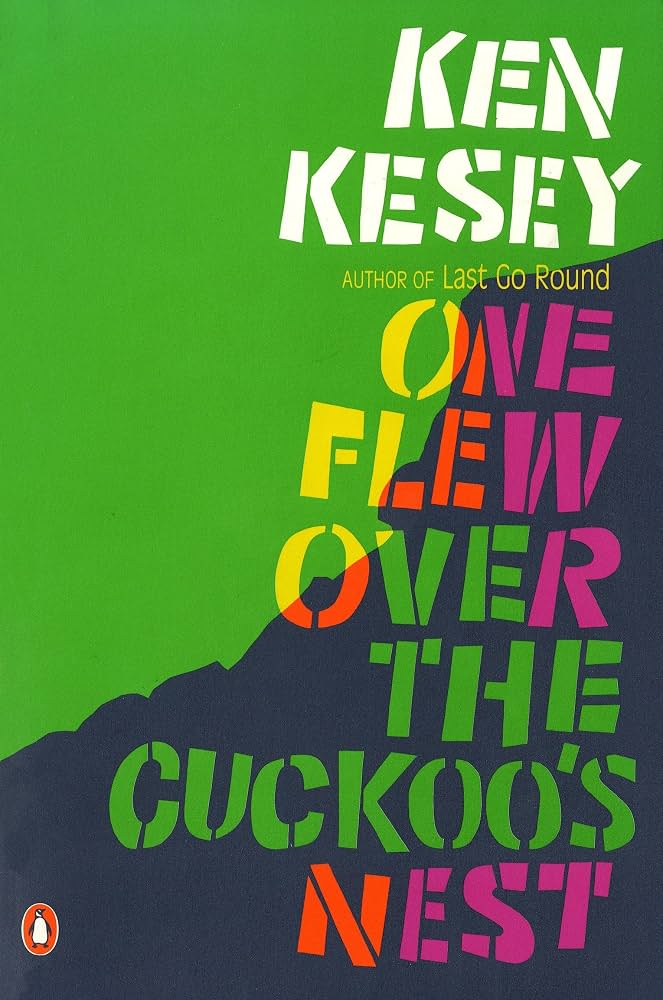
- One Flew Over the Cuckoo’s Nest
When readers search for Ken Kesey Books, One Flew Over the Cuckoo’s Nest is usually the first title they encounter.
Published in 1962, it was Kesey’s debut novel and quickly established him as an important new American writer.
The Library of Congress includes the novel in its America Reads exhibition, where it appears among significant American books.
The One Flew Over the Cuckoo’s Nest book takes place primarily inside a psychiatric institution. Randle Patrick McMurphy, a rebellious prisoner who has been transferred to the institution, challenges the highly controlled environment overseen by Nurse Ratched.
At the same time, Chief Bromden provides a distinctive perspective on the institution and the people trapped inside it.
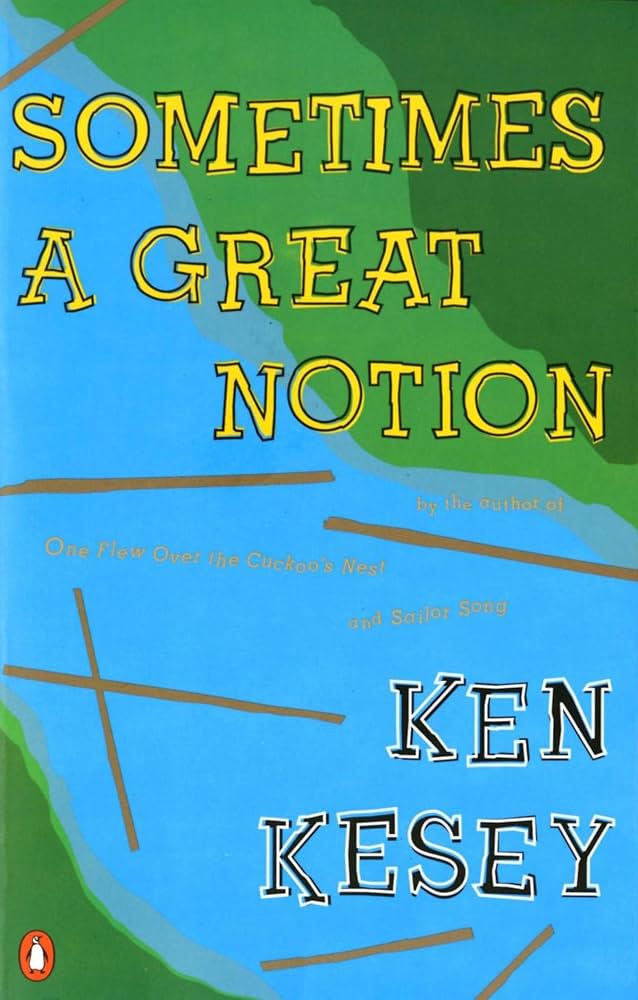
- Sometimes a Great Notion
If One Flew Over the Cuckoo’s Nest introduced readers to institutional rebellion, Sometimes a Great Notion showed how expansive Kesey’s literary vision could become.
Published in 1964, the novel focuses on the Stamper family, a stubborn logging family living in Oregon. Kesey spent time in Florence, Oregon, researching the region’s logging country while developing the novel.
The setting is crucial.
The Pacific Northwest is not merely scenery. Rivers, forests, weather, work, and physical hardship influence the characters and their relationships.
You may also read – The Ravenhood Series: Explore Every Book in Order!
You may also like – Scythe Book Series: Explore the Books in Order Today!
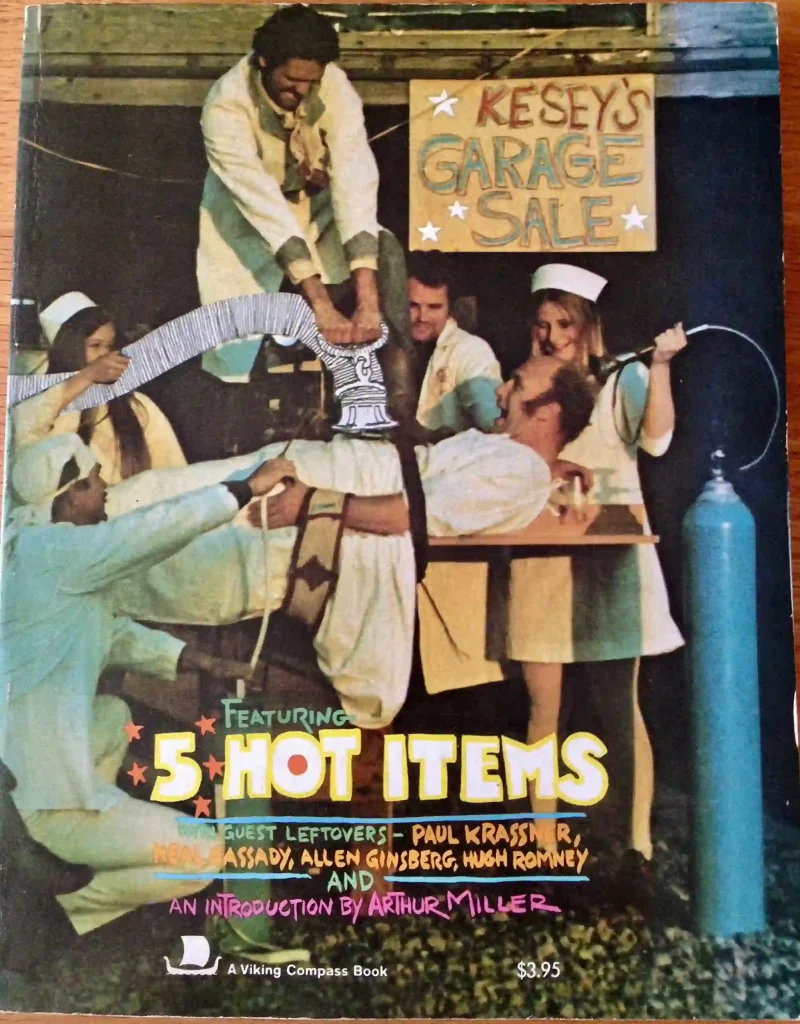
- Kesey’s Garage Sale
Published in the 1970s, Kesey’s Garage Sale moves away from conventional novel writing.
Rather than offering another traditional narrative, Kesey uses essays and other forms of prose to explore experiences, ideas, and observations connected with his life and cultural environment.
This makes it particularly useful for readers who want to understand Kesey beyond fiction.
A novel can show what a writer imagines.
A collection like Kesey’s Garage Sale can offer a different window into how that writer thinks, observes, remembers, and experiments with form.
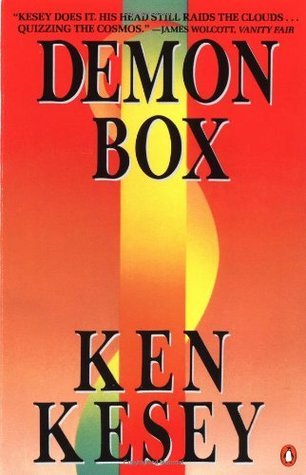
- Demon Box
Demon Box, published in 1986, is another fascinating entry in the Kesey bibliography.
It combines essays, stories, and other pieces rather than following the structure of a conventional novel. EBSCO identifies it among Kesey’s major works as a miscellaneous collection, while Penguin Random House lists it among his books.
For writers, this is one of the more interesting books by Ken Kesey because it demonstrates how literary nonfiction can become highly personal without following a traditional memoir structure.
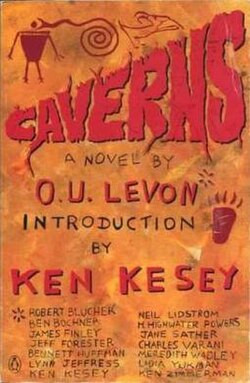
- Caverns
Caverns occupies a fascinating position in the Kesey bibliography.
The novel was written collaboratively with students from Kesey’s creative writing class at the University of Oregon and published under the pseudonym O. U. Levon. EBSCO identifies it as a collaborative novel, while other bibliographic sources explain the unusual pseudonym and its connection to the University of Oregon.
That collaborative process makes the book especially interesting to writers and students of creative writing.
It raises an unusual question:
What happens when a novel becomes a collective creative experiment rather than the product of one author working alone?
For authors interested in collaborative writing, Caverns can therefore be read not only as a story but also as an experiment in authorship.
You may also check – Dark Olympus Series: Complete Reading Order – Start Now!
You may also like – Cormac McCarthy Books: Uncover His Literary Masterpieces!
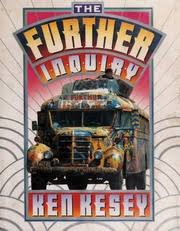
- The Further Inquiry
The Further Inquiry revisits Kesey’s experiences with the Merry Pranksters.
It is not simply another conventional novel. The work combines writing and photographic material to explore the countercultural journey surrounding Kesey and his companions.
This makes it useful for readers trying to understand the relationship between Kesey’s literary career and his public persona.
His writing and his cultural activities were closely connected, but they should not be treated as interchangeable.
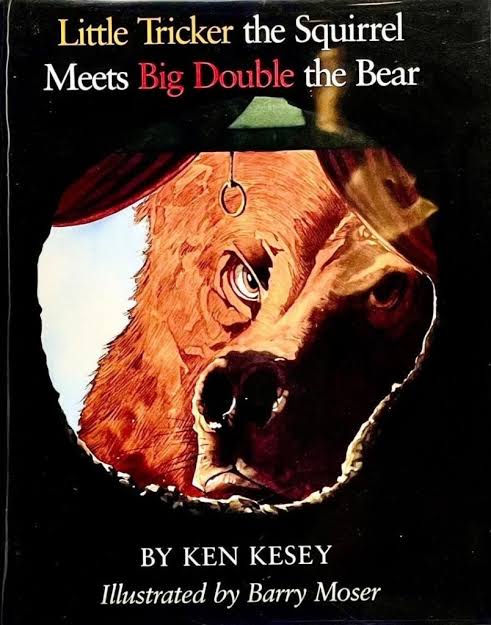
- Little Tricker the Squirrel Meets Big Double the Bear
Not all Ken Kesey Books are written for adult literary audiences.
Little Tricker the Squirrel Meets Big Double the Bear demonstrates Kesey’s interest in children’s literature.
The book moves away from the institutional conflicts and countercultural themes associated with his famous novels and instead uses animal characters and a more accessible narrative style.
Penguin Random House lists it alongside The Sea Lion as one of Kesey’s children’s books.
For parents, teachers, and readers exploring an author’s complete bibliography, this title provides an important reminder that Kesey’s literary identity was broader than his two famous adult novels.
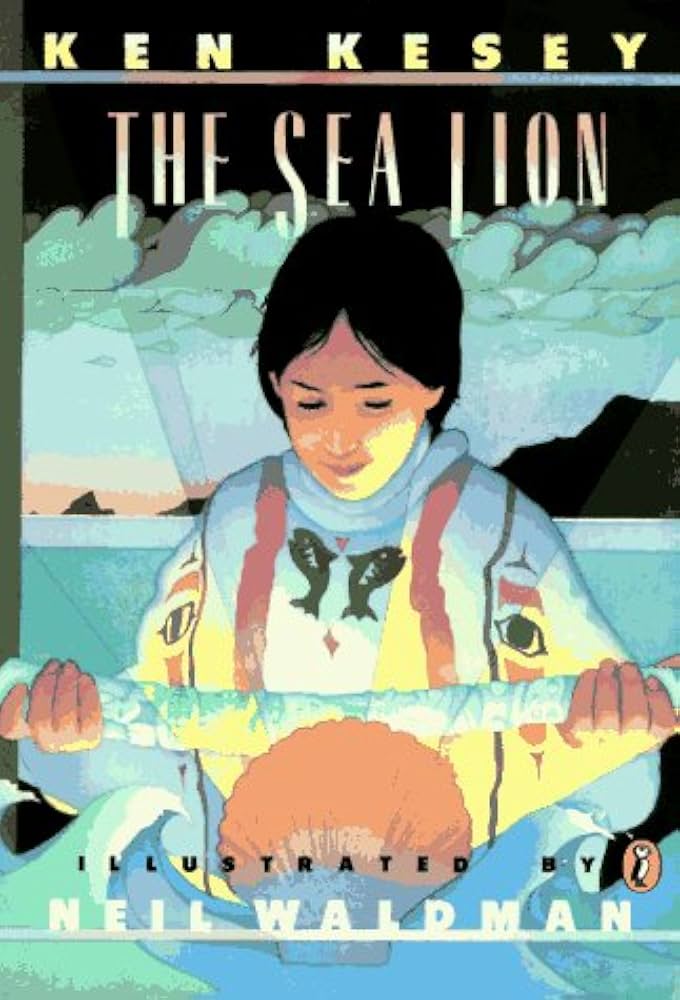
- The Sea Lion
The Sea Lion: A Story of the Sea Cliff People is another children’s work by Kesey.
It offers another example of his willingness to change audience, subject matter, and storytelling style.
For anyone studying Ken Kesey Books as a complete body of work, children’s literature should not be treated as an insignificant side note.
Instead, it demonstrates the range of Kesey’s storytelling interests and his ability to move between different literary forms.
You may also check – Sylvia Plath Books: Discover Her Best Works Now!

You may also like – 100+ Romance Tropes & How to Use Them in Your Book-Read!
- Sailor Song
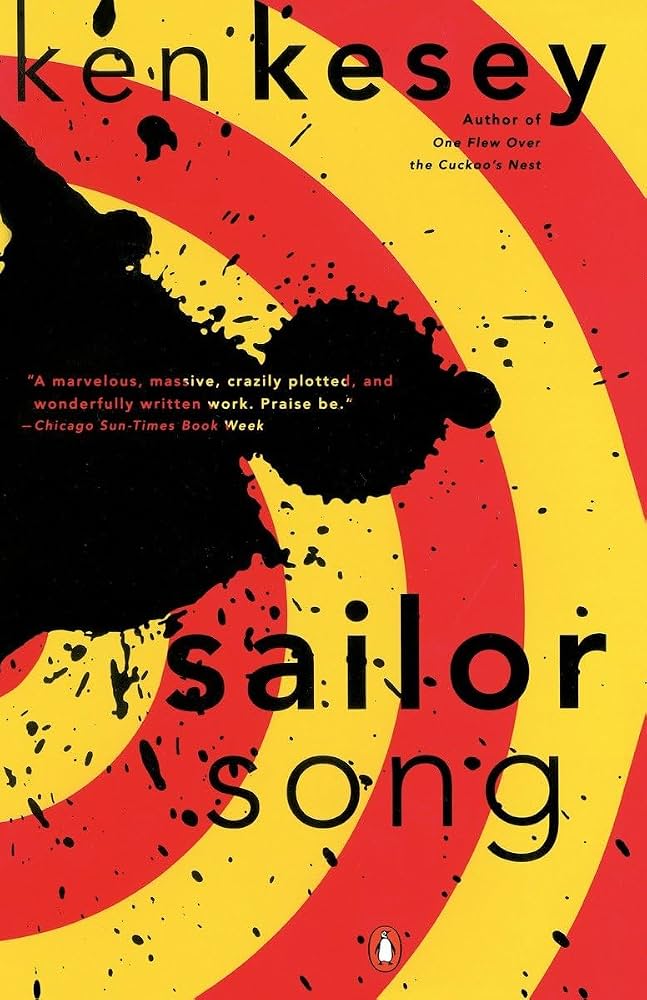
Published in 1992, Sailor Song is one of Kesey’s later novels.
The novel shifts toward themes involving technology, ecology, entertainment, community, and an uncertain future.
That makes it particularly interesting for modern readers because many of its concerns remain recognizable.
Kesey’s earlier work often asks whether institutions can control individuals. Sailor Song expands that concern by considering how technology, media, environmental change, and commercial culture can influence communities.
For readers who enjoy speculative fiction but also want strong social commentary, Sailor Song offers a different way into Kesey’s writing.
- Last Go Round
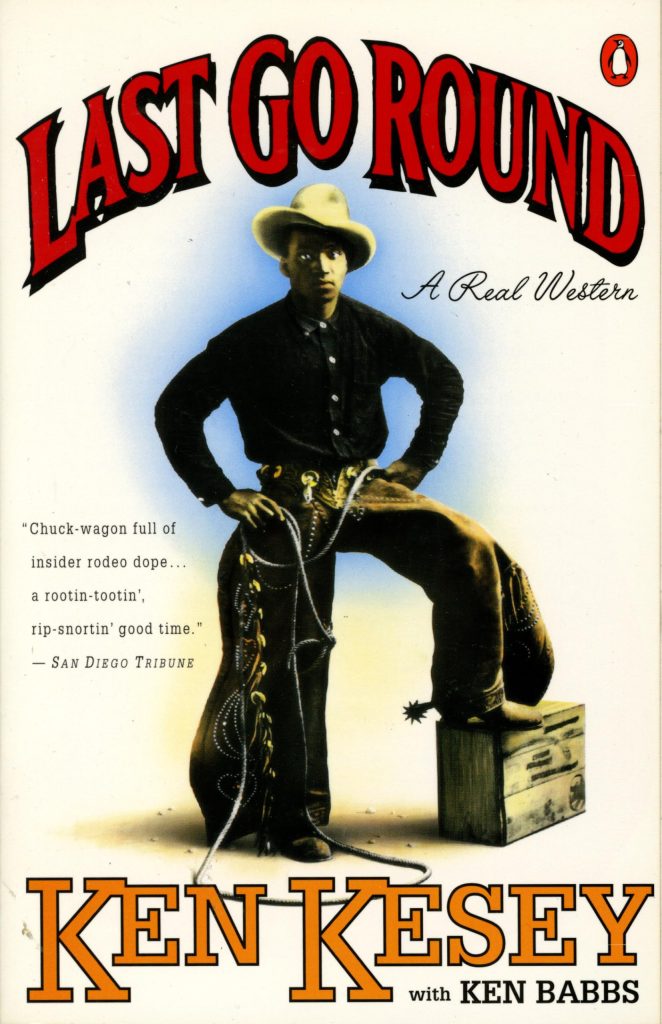
Last Go Round, published in 1994, was written with Ken Babbs.
It explores the world of the Pendleton Round-Up and the traditions surrounding the American West. The Oregon Encyclopedia identifies it as a fictional recreation connected with the 1911 Pendleton Round-Up.
The collaboration with Babbs is significant because it demonstrates that Kesey’s later work continued to embrace unconventional forms and shared creative processes.
Readers interested in western fiction, American regional culture, and Kesey’s later career may find this an especially worthwhile title.
Ken Kesey Books in Publication Order
For readers who want to explore books by Ken Kesey chronologically, the following order provides a practical starting point:
- One Flew Over the Cuckoo’s Nest — 1962
- Sometimes a Great Notion — 1964
- Kesey’s Garage Sale — 1973
- Demon Box — 1986
- Caverns — 1990, collaborative work
- The Further Inquiry — 1990
- Little Tricker the Squirrel Meets Big Double the Bear — 1990
- The Sea Lion — 1991
- Sailor Song — 1992
- Last Go Round — 1994, with Ken Babbs
This order is useful for readers interested in seeing how Kesey’s interests changed over time.
His bibliography moves from major novels to essays, experimental projects, children’s literature, ecological fiction, and collaborative storytelling.
You may also like – Tony Robbins Books: Unlock Your Potential—Dive In!
You may also read – William Faulkner Books: Find Your Next Great Read!
Ken Kesey’s Literary Legacy
Ken Kesey’s literary legacy rests most securely on his first two major novels.
One Flew Over the Cuckoo’s Nest became a defining work of American literature, while Sometimes a Great Notion established another powerful dimension of his writing through its Pacific Northwest setting and family-centered narrative.
But his legacy is larger than those two books.
His later publications demonstrate an author who continued experimenting with form, audience, collaboration, autobiography, ecology, and cultural criticism.
The Oregon Encyclopedia describes Kesey’s literary reputation as resting particularly on those two early novels while also emphasizing his broader role in the counterculture of the 1960s.
His influence can also be seen in the continued publication and study of his books, adaptations of his work, and academic interest in his writing.
For readers, perhaps the most interesting part of his legacy is the tension at its center:
Kesey wrote about people who resisted systems while continually experimenting with the systems of storytelling themselves.
That makes his work especially rewarding for anyone interested in literature, culture, and the creative process.
Conclusion
One Flew Over the Cuckoo’s Nest is a significantly smaller story than the one found in Ken Kesey’s books.
That novel remains an essential starting point, but exploring Kesey’s wider bibliography reveals a writer fascinated by freedom, authority, nature, community, technology, perception, and unconventional forms of storytelling.
Whether you are discovering the kesey one flew over the cuckoo’s nest phenomenon for the first time, revisiting the one flew over the cuckoo’s nest book, studying American literature, or looking for inspiration as a writer, Kesey offers plenty to explore.
Start with One Flew Over the Cuckoo’s Nest, continue with Sometimes a Great Notion, and then move into his essays, children’s books, experimental projects, and later novels.
