

Some writers tell stories you enjoy while reading. Others leave you thinking about them long after the final page. Cormac McCarthy books belong firmly in the second category.
His novels move through the American South, the Old West, the U.S.-Mexico borderlands, and landscapes so devastated that survival itself becomes a moral question.
From The Orchard Keeper to The Passenger and Stella Maris, McCarthy’s career stretched across nearly six decades.
His work includes Southern Gothic fiction, Westerns, literary dramas, post-apocalyptic fiction, plays, and screenwriting. His prose can be beautiful, brutal, mysterious, and deliberately difficult.
If you’re wondering where to begin, this guide makes the journey easier. We’ll explore Cormac McCarthy books, from Blood Meridian to The Road, while looking at his major novels, recurring themes, publication order, reading paths, and the qualities that make his writing so distinctive.
Whether you’re a longtime reader, a writer studying literary technique, or simply curious about one of America’s most influential novelists, there’s plenty here to discover.
Table Of Contents
Who Was Cormac McCarthy?
Cormac McCarthy was an American novelist, playwright, and screenwriter whose fiction became known for its stark landscapes, unconventional punctuation, philosophical questions, and often extreme depictions of violence.
The Orchard Goalkeeper, his debut book, was released in 1965. Over the following decades, his writing moved from the Appalachian South toward the American Southwest and Mexico, eventually reaching the stripped-down post-apocalyptic landscape of The Road.
His bibliography contains 12 novels, including The Border Trilogy and the paired novels The Passenger and Stella Maris. He also wrote plays and screenplays, including The Sunset Limited and The Counselor.
McCarthy received major literary recognition during his career. The Road won the 2007 Pulitzer Prize for Fiction, making it the clearest example of how his demanding literary style could also reach a broad readership.
You may also check – Sylvia Plath Books: Discover Her Best Works Now!
You may also like – 100+ Romance Tropes & How to Use Them in Your Book-Read!
Cormac McCarthy Books in Publication Order
One of the easiest ways to understand McCarthy’s development as a writer is to follow his novels chronologically. His style changes significantly over time, so publication order lets you watch those changes unfold.
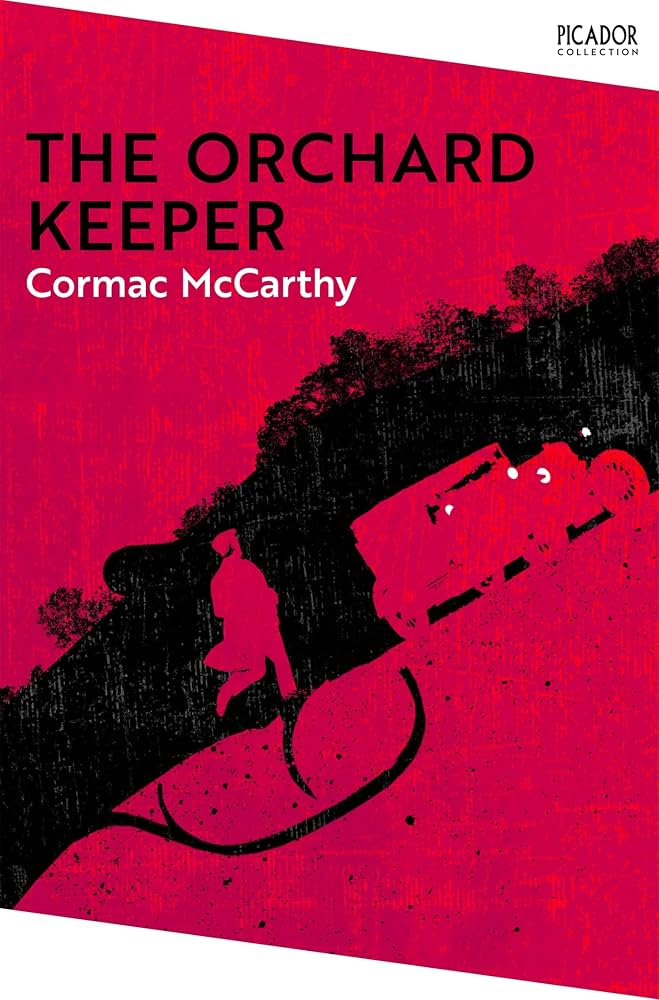
1. The Orchard Keeper (1965)
McCarthy’s debut novel is set in rural Tennessee and introduces several concerns that would return throughout his career: isolation, violence, nature, memory, and the disappearance of traditional ways of life.
Its prose is considerably denser than that of some of McCarthy’s later novels. Readers interested in his Southern Gothic beginnings will find it particularly rewarding.
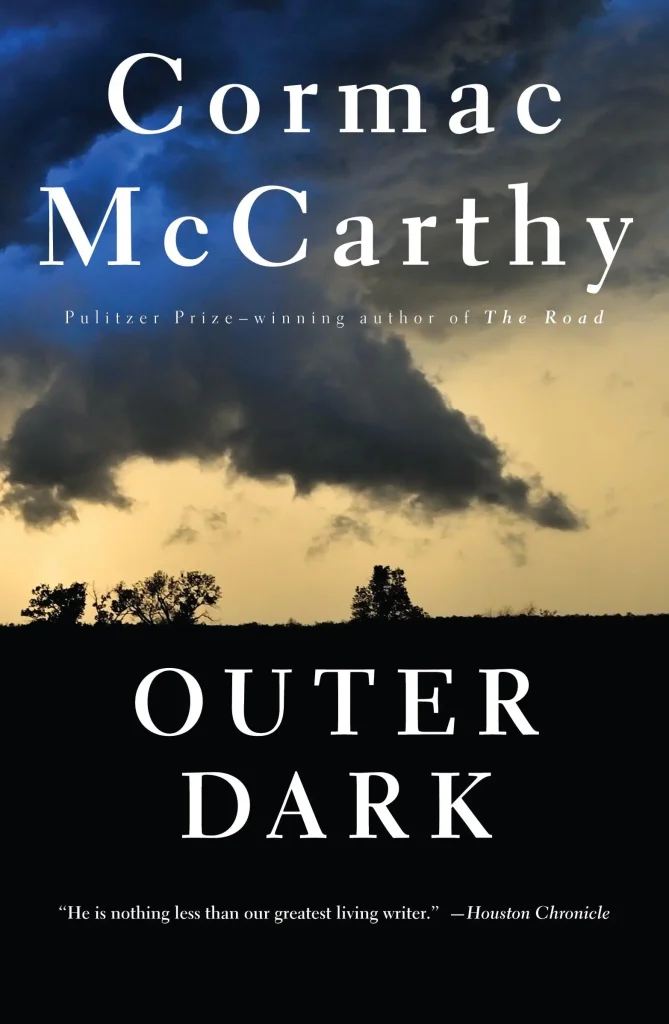
2. Outer Dark (1968)
Outer Dark moves deeper into the disturbing territory of McCarthy’s early fiction.
The story follows Rinthy Holme as she searches for her infant child, while her brother Culla becomes entangled in a series of increasingly ominous events.
The novel explores guilt, fate, religious imagery, and human cruelty. It is an intense introduction to McCarthy’s fascination with moral darkness.
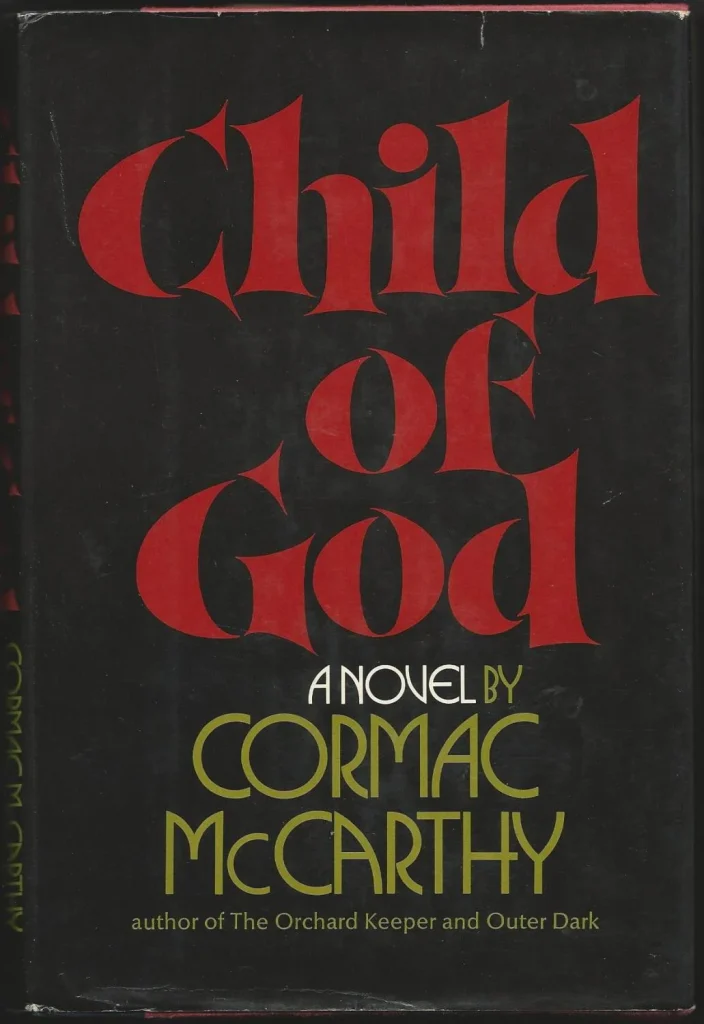
3. Child of God (1973)
Child of God centers on Lester Ballard, an isolated man living on the margins of society in Tennessee.
The novel is among McCarthy’s most disturbing works, examining alienation and social exclusion without offering easy explanations or comforting resolutions.
It was later made into a movie in 2013.
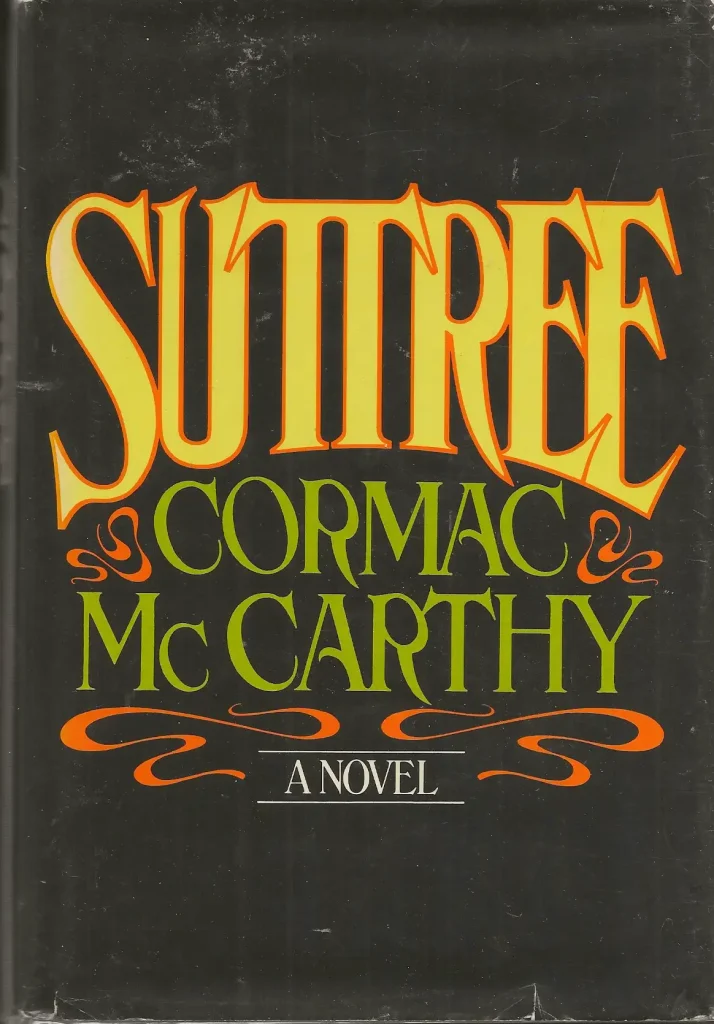
4. Suttree (1979)
Suttree is one of McCarthy’s largest and most expansive early novels.
Set primarily in Knoxville, Tennessee, it follows Cornelius Suttree, a man who has withdrawn from conventional society and lives among an eccentric collection of outsiders.
Unlike the relentless forward movement of The Road, Suttree is sprawling and episodic. Its humor, grotesque imagery, lyrical descriptions, and memorable characters reveal another side of McCarthy’s literary personality.
Penguin Random House’s editorial guide also highlights Suttree for its dialogue, rhythmic prose, and examination of what it means to be human.
You may also like – Tony Robbins Books: Unlock Your Potential—Dive In!
You may also read – William Faulkner Books: Find Your Next Great Read!
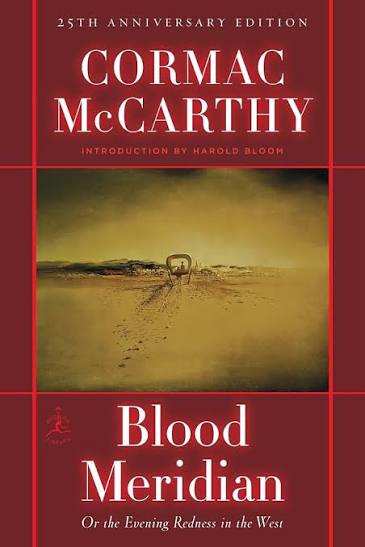
5. Blood Meridian (1985)
If you are researching Cormac McCarthy Books, Blood Meridian is almost impossible to overlook.
Set largely along the Texas-Mexico border during the 1840s, the novel follows the Kid as he becomes involved with a violent band of scalp hunters.
The book is famous for its biblical imagery, brutal violence, philosophical conversations, and the enigmatic Judge Holden.
Yet Blood Meridian is more than a Western. McCarthy uses the genre to investigate violence, power, war, fate, and humanity’s relationship with nature.
The Washington Post’s reading guide identifies Blood Meridian as one of McCarthy’s essential works and notes its reputation as a landmark Western.
For writers: Pay attention to how McCarthy combines enormous philosophical questions with physical landscapes. The desert is not merely a setting; it becomes part of the novel’s argument about human existence.
Cormac McCarthy Books: The Border Trilogy
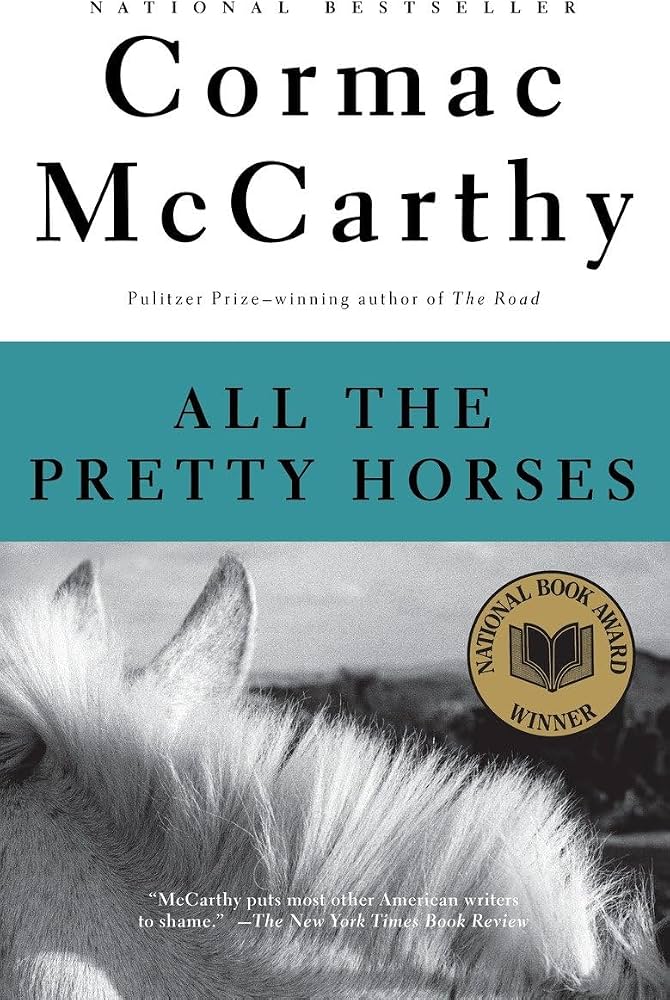
6. All the Pretty Horses
All the Pretty Horses follows John Grady Cole, a young Texan who travels into Mexico after the world he knows begins to disappear.
Compared with some of McCarthy’s earlier novels, this book has a more accessible narrative structure. It contains horses, ranches, romance, adventure, violence, and coming-of-age elements, while still carrying McCarthy’s philosophical concerns.
For many readers, it provides a natural introduction to his work.
Penguin Random House’s editorial guide specifically recommends All the Pretty Horses as a starting point for new readers because its plotting is more traditional while retaining McCarthy’s distinctive style.
You may also check – Natasha Preston Books: Start Your Next Gripping Read!
You may also like – Best Dystopian Novels: Dive Into Unforgettable Worlds!
7. The Crossing
The Crossing follows Billy Parham as he travels between the United States and Mexico.
It is more meditative and episodic than All the Pretty Horses, with stories nested inside stories and long philosophical conversations.
Questions about fate, identity, suffering, animals, and human responsibility become increasingly important.
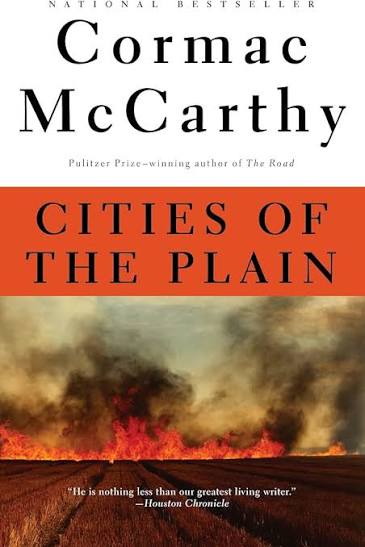
8. Cities of the Plain
The final Border Trilogy novel brings together characters and themes from the earlier books.
Set largely in the American Southwest during the 1950s, it explores love, loyalty, aging, loss, and the disappearance of a particular version of the American West.
Reading all three novels together reveals how McCarthy gradually transforms the Western landscape from a place of possibility into one marked by historical change and loss.
Cormac McCarthy Books of the 2000s
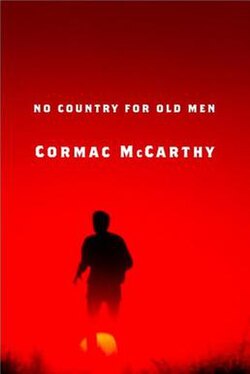
9. No Country for Old Men (2005)
If you prefer crime fiction, suspense, or fast-moving narratives, No Country for Old Men is an especially interesting entry into McCarthy’s work.
The story follows Llewelyn Moss after he discovers the aftermath of a drug deal gone wrong and takes money from the scene. His decision sets off a violent pursuit involving Anton Chigurh.
The novel asks difficult questions about chance, morality, aging, violence, and whether traditional ideas of justice can survive in a changing world.
Its relatively direct narrative makes it one of the easier McCarthy novels for readers who are new to his style.
The book was adapted into the acclaimed 2007 film directed by Joel and Ethan Coen.
You also check – Famous Writers In India: Discover Literary Legends!
You also read – Barbara Kingsolver Books: Discover Where to Start!
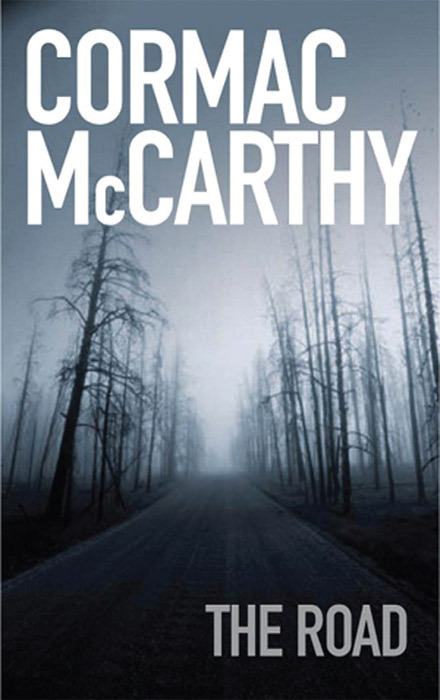
10. The Road (2006)
The Road takes McCarthy’s concerns about violence and morality into a post-apocalyptic world.
An unnamed father and son travel across a devastated American landscape, searching for safety while trying to preserve their humanity.
Unlike the sprawling historical worlds of Blood Meridian or The Border Trilogy, The Road is remarkably stripped down. Characters often remain unnamed. The setting is intentionally vague. Dialogue is sparse.
Yet the emotional center is unmistakable: What does it mean to remain good when the world around you has become terrible?
The novel won the 2007 Pulitzer Prize for Fiction. The Pulitzer’s official citation describes it as a story of a father and son whose love sustains them amid devastation.

For readers interested in contemporary literary fiction, The Road demonstrates how a relatively simple plot can support enormous philosophical and emotional questions.
Cormac McCarthy Books from His Final Years
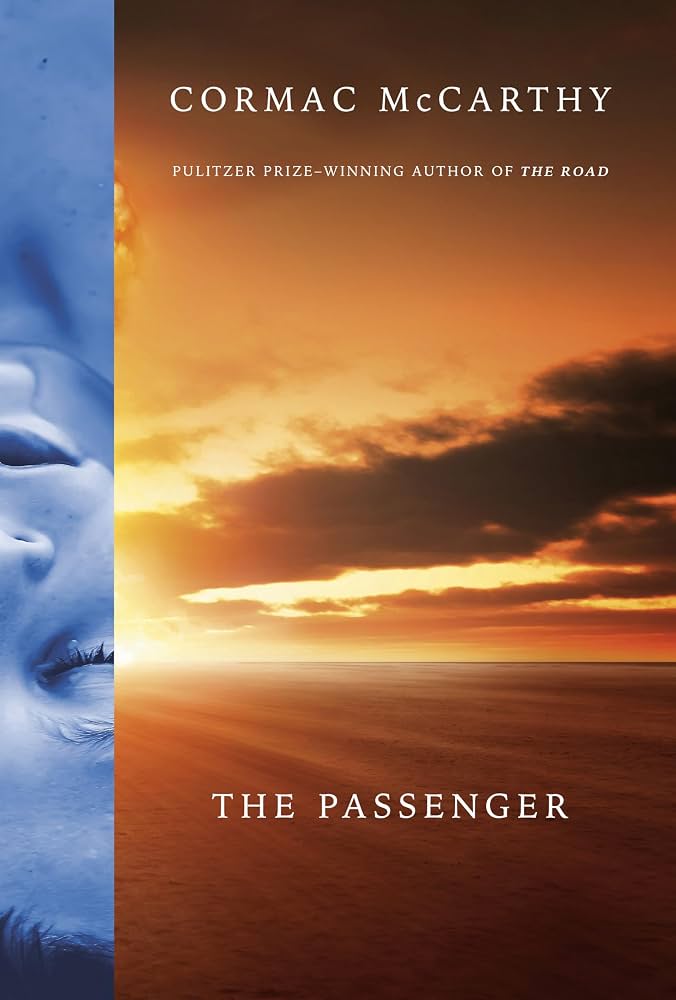
11. The Passenger (2022)
The Passenger marked McCarthy’s return to fiction after a long gap.
The novel follows Bobby Western, a salvage diver haunted by his past and drawn into a mysterious situation involving a missing aircraft.
The narrative moves between physical investigation, memory, mathematics, dreams, guilt, and philosophical speculation.
It is not necessarily the easiest place to begin reading McCarthy. However, readers who enjoy his later philosophical style may find it fascinating.
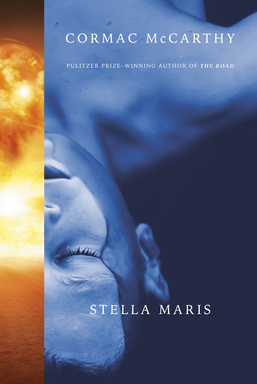
12. Stella Maris (2022)
Stella Maris is closely connected to The Passenger.
Much of the novel takes the form of transcripts from psychiatric sessions involving Alicia Western, Bobby’s sister.
The book moves away from conventional action and toward questions about mathematics, consciousness, dreams, grief, religion, language, and reality.
Because of its relationship with The Passenger, it makes the most sense to read the two novels together, beginning with The Passenger. Current bibliographic guides identify them as companion works published in 2022.
You may also check – Realistic Fiction Books: Find What to Read Next!
You may also read – John Boyne Books: Complete Reading Guide—Explore Now!
Cormac McCarthy Books and Film Adaptations
McCarthy’s writing has also had a significant relationship with cinema.
Several of his works have been adapted for the screen, including:
- All the Pretty Horses
- No Country for Old Men
- The Road
- Child of God
- The Sunset Limited
- The Counselor
No Country for Old Men became one of the most prominent adaptations of his work, while The Road brought his post-apocalyptic novel to a much wider audience.
For readers, watching an adaptation after finishing the book can be particularly interesting because it reveals which elements survive translation from prose to film-and which depend entirely on McCarthy’s narrative voice.
Why Read Cormac McCarthy Today?
McCarthy’s novels remain relevant because they do not depend entirely on their historical settings.
A story about a violent borderland can become a meditation on power.
A Western can become a question about civilization. A post-apocalyptic journey can become an exploration of parenthood, morality, and hope.
His work also rewards rereading.
The first reading may focus on plot: Who is this character? What happened? Where are they going?
A second reading can reveal patterns in imagery, language, symbolism, and philosophy that were easy to miss the first time.
That makes Cormac McCarthy Books particularly valuable for readers and writers who enjoy fiction that invites interpretation rather than offering every answer immediately.
You may also like – Alex Aster Books in Order: Find Your Next Read!
You may also read – Michael Crichton Books in Order: Start Reading Now!
Conclusion
Cormac McCarthy’s bibliography is not simply a collection of dark stories. Across his novels, he explores what people become when familiar structures disappear-and what remains when characters are forced to confront violence, loss, nature, love, and mortality.
For newcomers, The Road, No Country for Old Men, and All the Pretty Horses provide accessible ways into his fiction.
Readers looking for a deeper challenge can move toward Blood Meridian, Suttree, and eventually The Passenger and Stella Maris.
And if you’re a writer, don’t stop at the plot. Look closely at how McCarthy creates atmosphere, controls information, builds dialogue, and makes landscape carry emotional and philosophical weight.
