
Imagine stepping into a world where freedom comes with a price, technology watches your every move, and society follows rules that seem impossible to escape. That is the fascinating appeal of dystopian fiction. The Best Dystopian Novels take readers beyond ordinary storytelling and into unforgettable worlds shaped by power, inequality, surveillance, rebellion, environmental crises, and social control.
From chilling futuristic societies to worlds struggling after civilization collapses, these stories offer much more than thrilling plots-they encourage us to question the choices that shape our own world.
Whether you are discovering dystopian fiction for the first time or searching for your next unforgettable read, exploring the Best Dystopian Novels can open the door to stories filled with complex characters, thought-provoking themes, and imaginative world-building.
You will find everything from classic dystopian masterpieces to gripping YA dystopian novels and thought-provoking dystopian sci-fi novels. In this guide, we explore the Best Dystopian Novels worth adding to your reading list, helping you discover stories that challenge expectations, spark curiosity, and stay with you long after the final page.
In this guide, you’ll discover classic dystopian novels, modern favorites, YA dystopian novels, dystopian sci-fi novels, and thought-provoking books that approach the genre from unexpected directions.
Table Of Contents
- What Makes a Dystopian Novel?
- Best Dystopian Novels to Read
- 1. 1984 by George Orwell
- 2. Brave New World by Aldous Huxley
- 3. The Handmaid’s Tale by Margaret Atwood
- 4. Fahrenheit 451 by Ray Bradbury
- 5. The Hunger Games by Suzanne Collins
- 6. The Giver by Lois Lowry
- 7. Animal Farm by George Orwell
- 8. A Clockwork Orange by Anthony Burgess
- 9. The Road by Cormac McCarthy
- 10. Never Let Me Go by Kazuo Ishiguro
- 11. Station Eleven by Emily St. John Mandel
- 12. The Children of Men by P. D. James
- 13. Oryx and Crake by Margaret Atwood
- 14. The Maze Runner by James Dashner
- 15. Divergent by Veronica Roth
- 16. The Power by Naomi Alderman
- 17. Parable of the Sower by Octavia E. Butler
- 18. The Book of M by Peng Shepherd
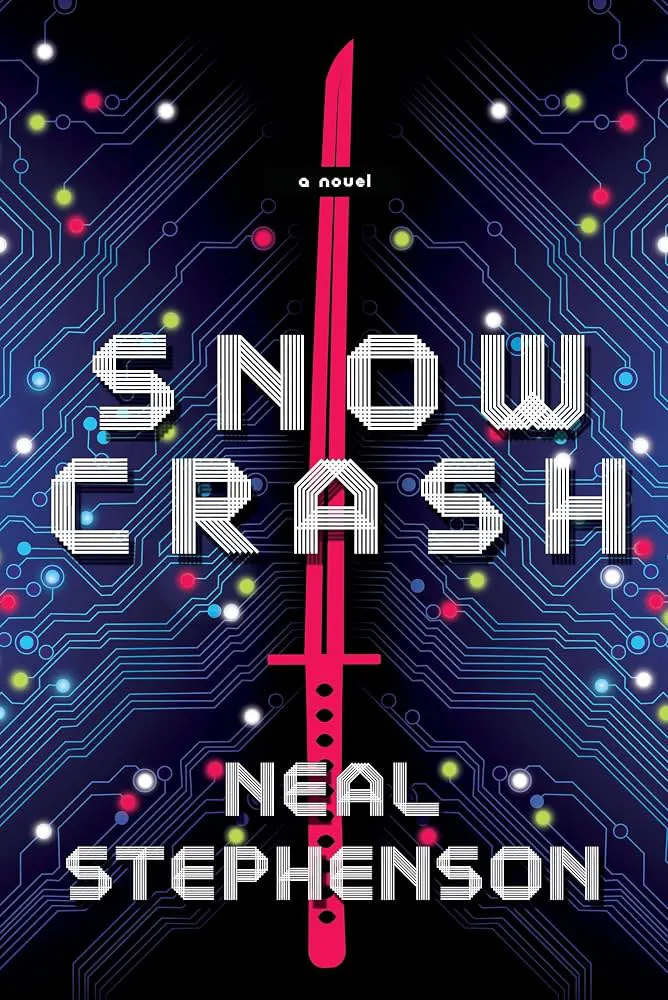
- 19. Snow Crash by Neal Stephenson
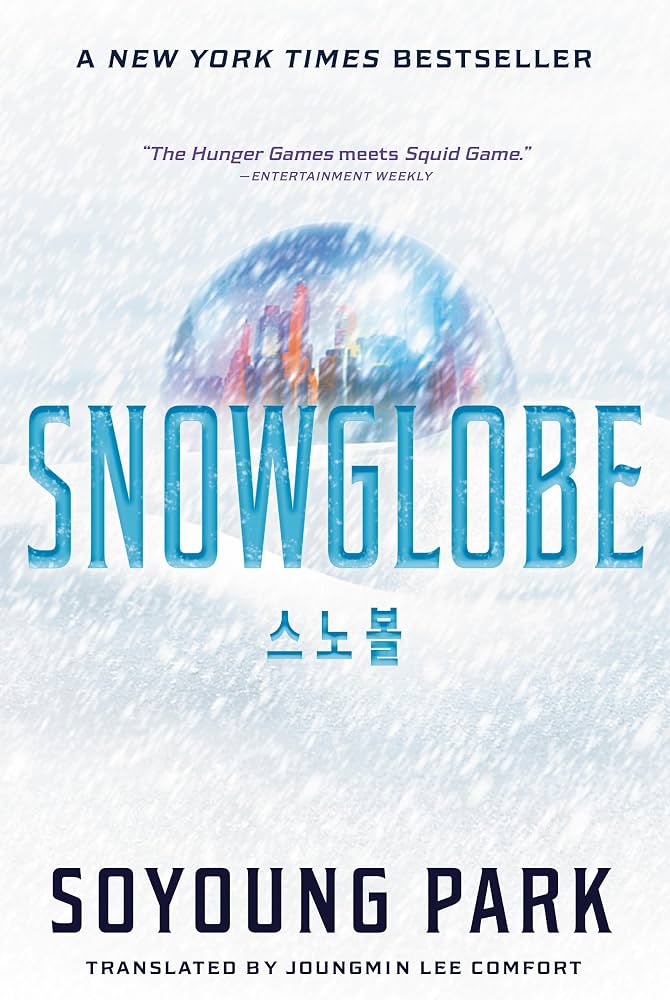
- 20. Snowglobe by Soyoung Park
- Conclusion
What Makes a Dystopian Novel?
Before choosing a book, it helps to understand what actually makes a story dystopian.
A dystopia presents a society in which something has gone seriously wrong. Sometimes people live under an authoritarian government.
In other stories, technology controls everyday life, environmental disaster has transformed civilization, or social systems have created extreme inequality.
Importantly, dystopian fiction isn’t necessarily about a world that has already ended.
A society can still have functioning cities, schools, jobs, families, entertainment, and governments while remaining deeply oppressive.
The disturbing part is often that the characters have been taught to consider an abnormal system completely normal.
You also check – Famous Writers In India: Discover Literary Legends!
You also read – Barbara Kingsolver Books: Discover Where to Start!
Best Dystopian Novels to Read
There is no single perfect dystopian reading list because readers look for different experiences. Some want political classics, while others prefer romance, action, speculative technology, or stories about climate change.
The following books offer a broad tour through the genre.
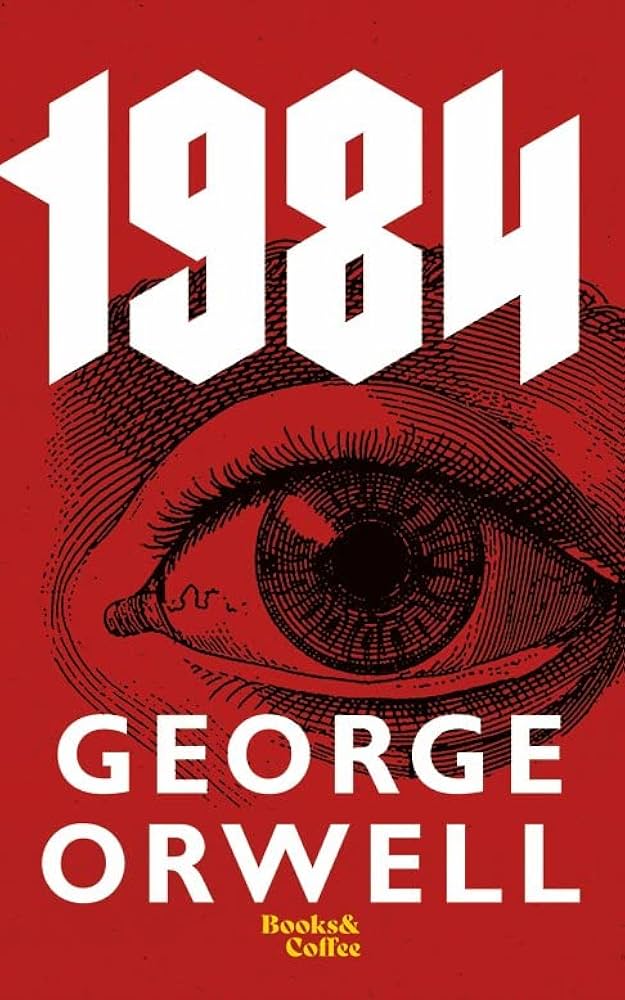
1. 1984 by George Orwell
Few dystopian novels have had an impact comparable to George Orwell’s 1984.
Published in 1949, the novel follows Winston Smith, a man living under the oppressive Party regime of Oceania.
The government monitors citizens, controls information, manipulates historical records, and uses language as a mechanism of power.
Winston’s quiet rebellion becomes increasingly dangerous as he begins questioning the reality imposed upon him.
The novel’s lasting strength comes from its examination of surveillance, propaganda, censorship, language, truth, and individual freedom. Penguin Random House similarly describes the book as a dystopian story centered on a Ministry responsible for rewriting history.
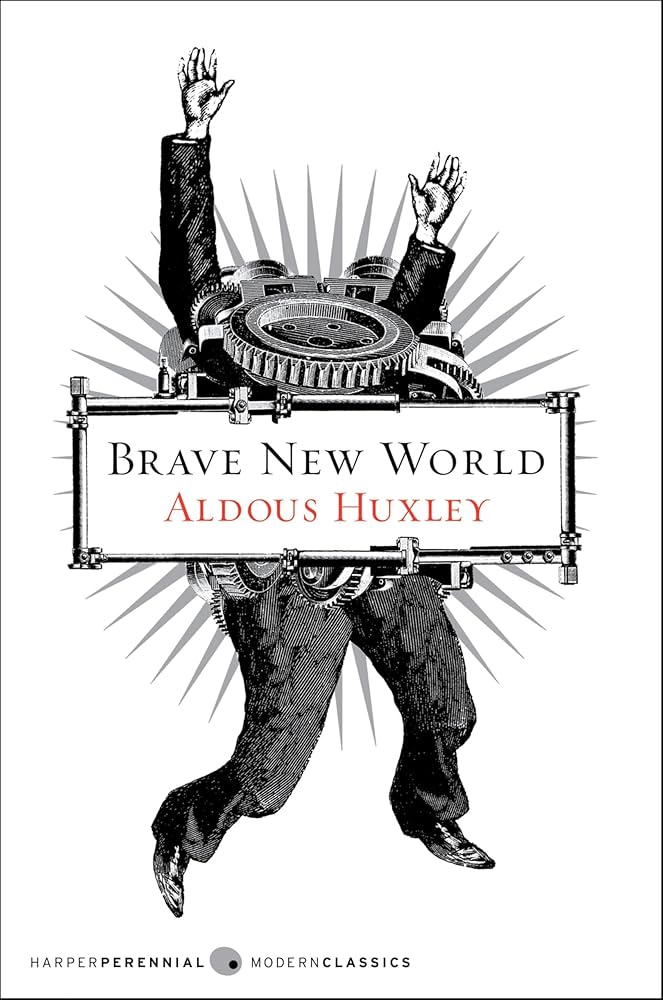
2. Brave New World by Aldous Huxley
If 1984 imagines a society controlled through fear and repression, Brave New World presents another possibility: control through pleasure.
Aldous Huxley’s 1932 novel depicts a society where people are conditioned from birth into predetermined social roles. Technology, entertainment, consumerism, and artificial happiness help maintain stability.
The result is unsettling precisely because many citizens aren’t desperately trying to escape.
They have been trained to enjoy the system.
You may also check – Realistic Fiction Books: Find What to Read Next!
You may also read – John Boyne Books: Complete Reading Guide—Explore Now!
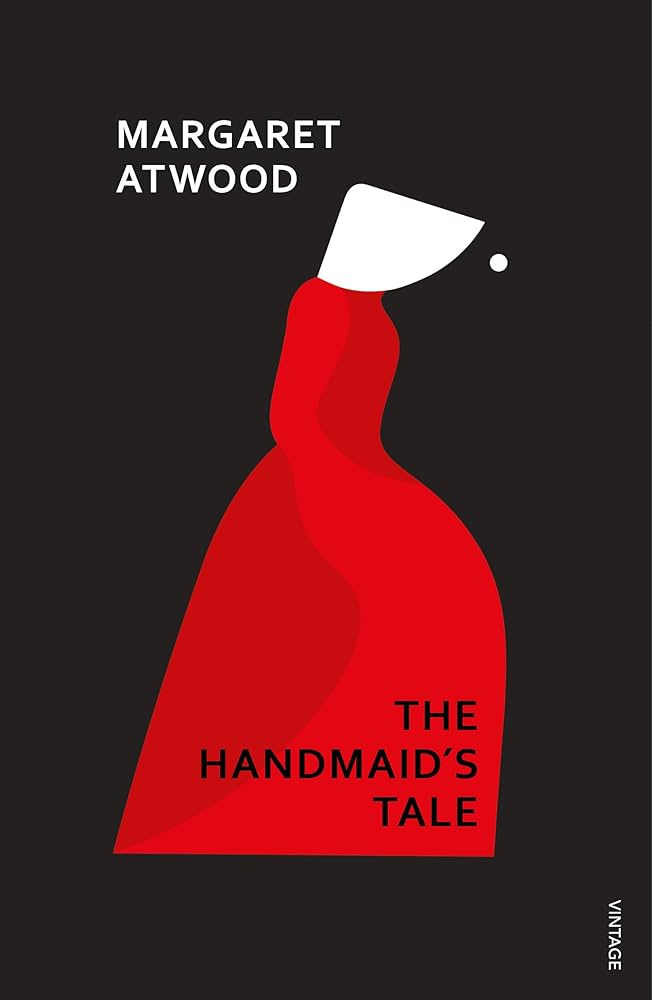
3. The Handmaid’s Tale by Margaret Atwood
Margaret Atwood’s The Handmaid’s Tale follows Offred, a woman living in the authoritarian theocracy of Gilead.
Her reproductive capacity has become a resource controlled by the state. Personal relationships, clothing, language, movement, and bodily autonomy are all shaped by an oppressive social order.
The novel is particularly powerful because Atwood combines speculative fiction with intimate first-person storytelling.
Instead of presenting oppression only through governments and institutions, she shows how political control enters ordinary routines, relationships, memories, and the human body.
Penguin Random House identifies the novel as a feminist science-fiction story concerned with reproductive freedom and religious oppression.
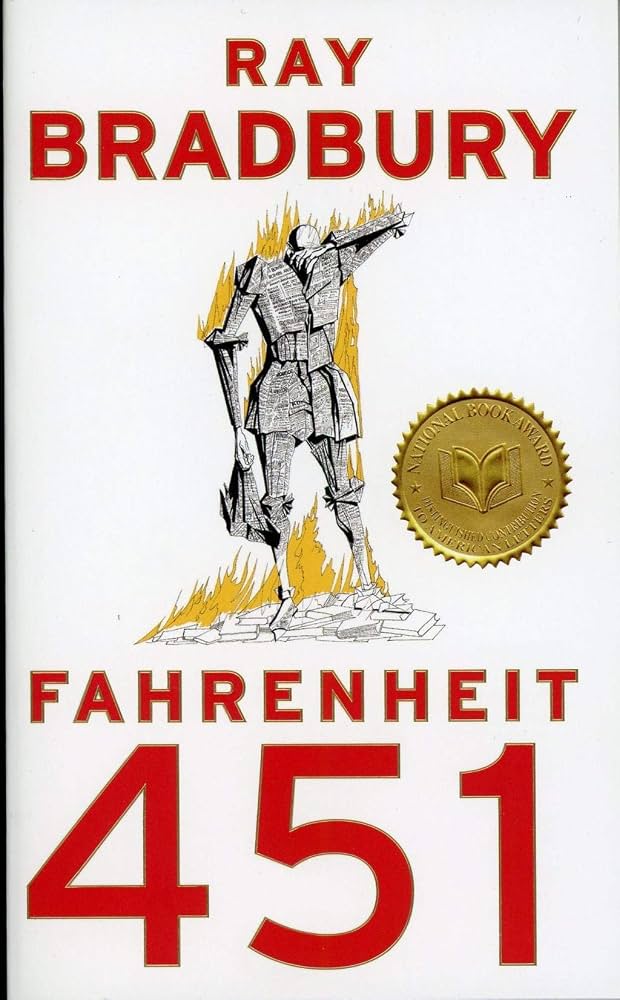
4. Fahrenheit 451 by Ray Bradbury
What happens when society stops reading?
Ray Bradbury’s Fahrenheit 451 imagines a future in which books are forbidden and firefighters are tasked with destroying them.
Guy Montag begins as someone who accepts this world. Gradually, however, his curiosity grows. Books become symbols of memory, independent thought, complexity, and intellectual freedom.
The novel remains especially relevant to readers who love literature because it asks a simple but powerful question:
What happens to a society when people stop questioning what they’re told?
You may also like – Alex Aster Books in Order: Find Your Next Read!
You may also read – Michael Crichton Books in Order: Start Reading Now!
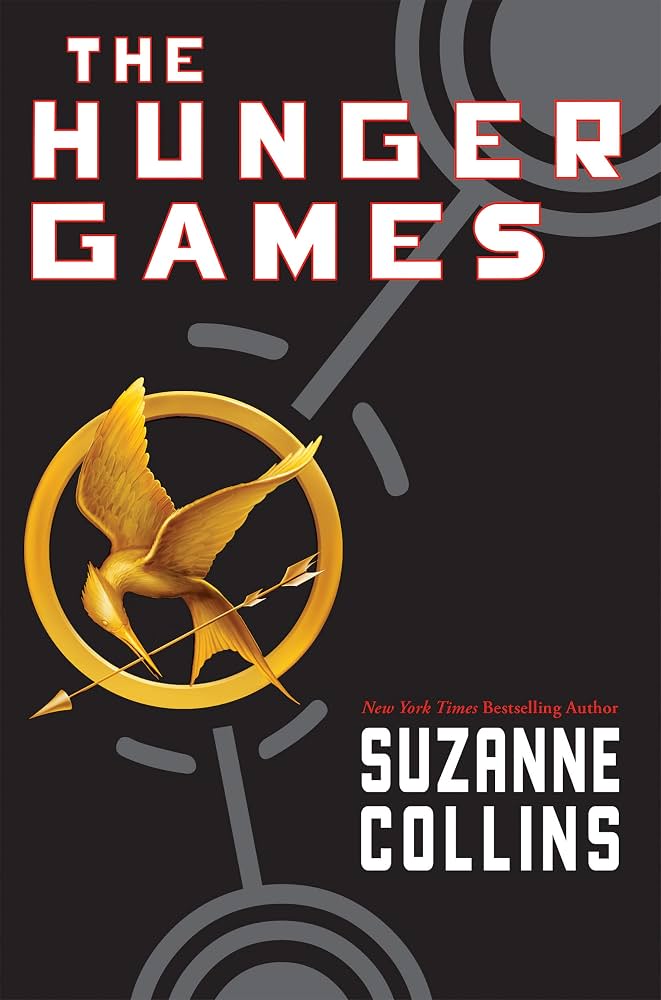
5. The Hunger Games by Suzanne Collins
For readers searching for YA dystopian novels, The Hunger Games is an essential starting point.
Katniss Everdeen lives in Panem, a nation divided into districts controlled by a wealthy Capitol. Each year, young representatives from the districts are forced into a televised competition where survival becomes entertainment.
The premise combines action with social commentary.
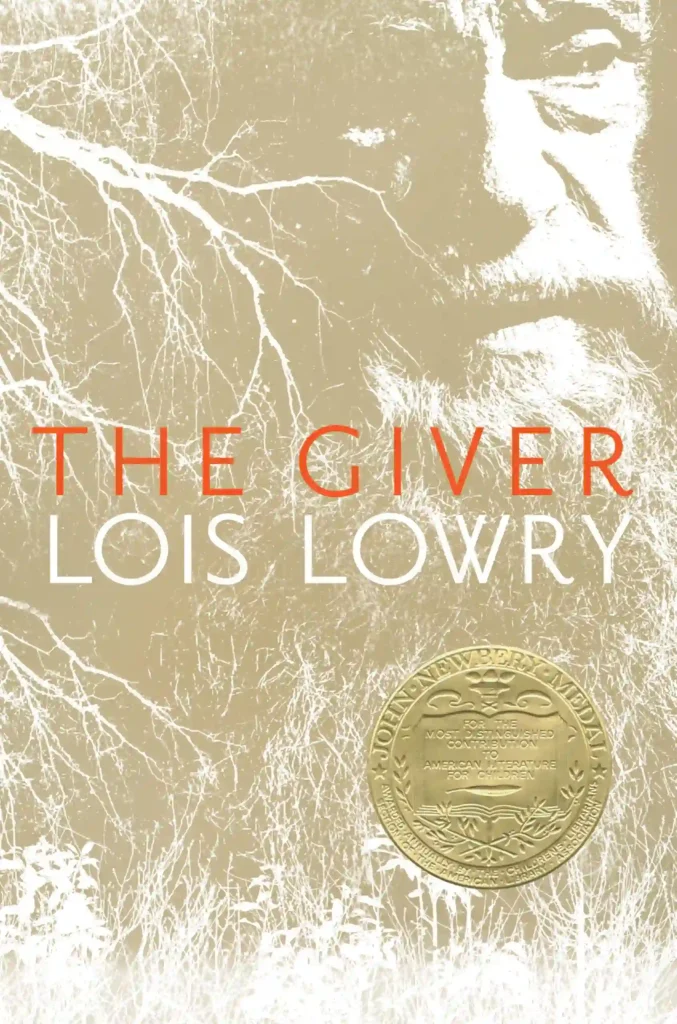
6. The Giver by Lois Lowry
Lois Lowry’s The Giver presents a society that has eliminated pain, conflict, war, and many forms of inequality.
At first, this sounds almost utopian.
But Jonas gradually discovers what his apparently perfect community has sacrificed to achieve such stability.
7. Animal Farm by George Orwell
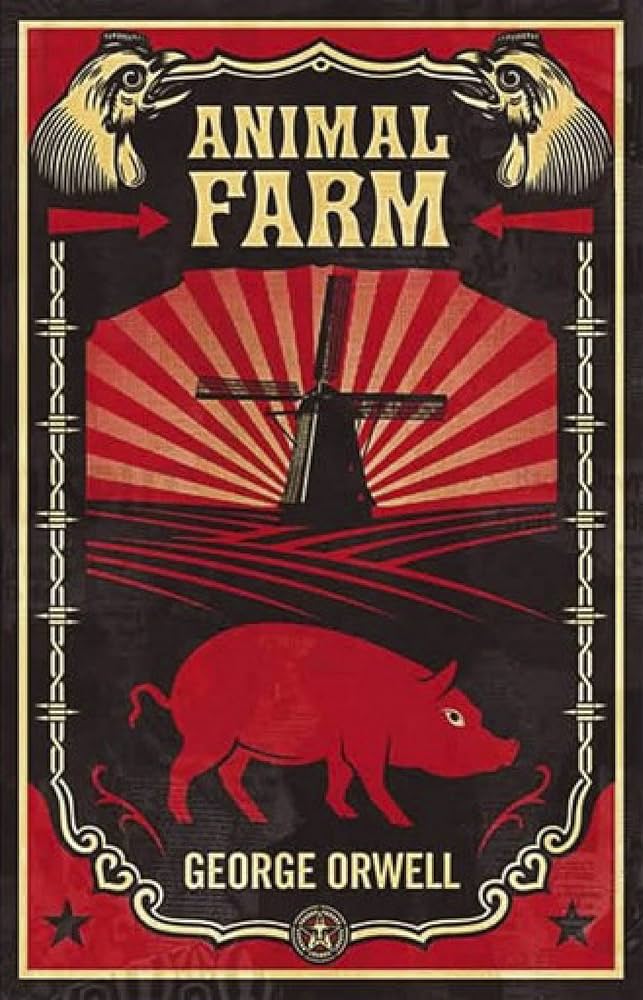
Although much shorter than many dystopian novels, Animal Farm packs considerable political meaning into its allegorical story.
In an effort to establish a more equitable society, farm animals overthrow their human owners. Although their revolt seems optimistic at first, a new ruling elite soon gains control.
The novel demonstrates how ideals can be manipulated and how political language can be used to justify unequal systems.
8. A Clockwork Orange by Anthony Burgess
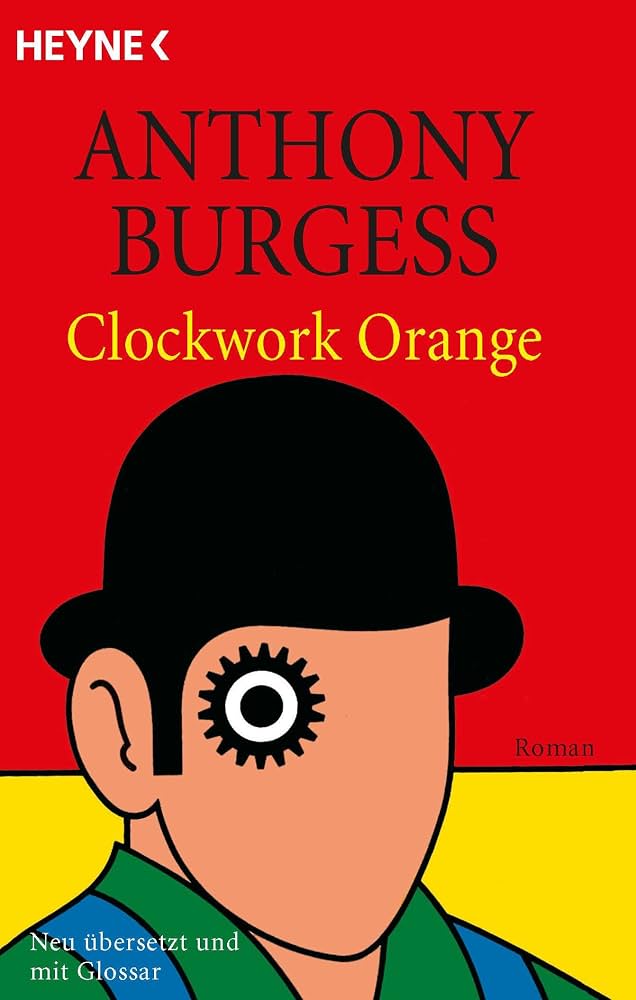
Anthony Burgess’s A Clockwork Orange explores violence, free will, morality, and state intervention.
The novel follows Alex, a violent young man whose behavior eventually becomes the subject of an experimental attempt at rehabilitation.
The central ethical problem is uncomfortable:
If someone is prevented from choosing evil, are they genuinely good?
That question makes the novel particularly valuable for readers interested in the relationship between morality and freedom.
You may also read – David Baldacci Books in Order: Explore the Thrillers!
You may also check – Jack Reacher Series: Complete Book Order—Start Reading!
9. The Road by Cormac McCarthy
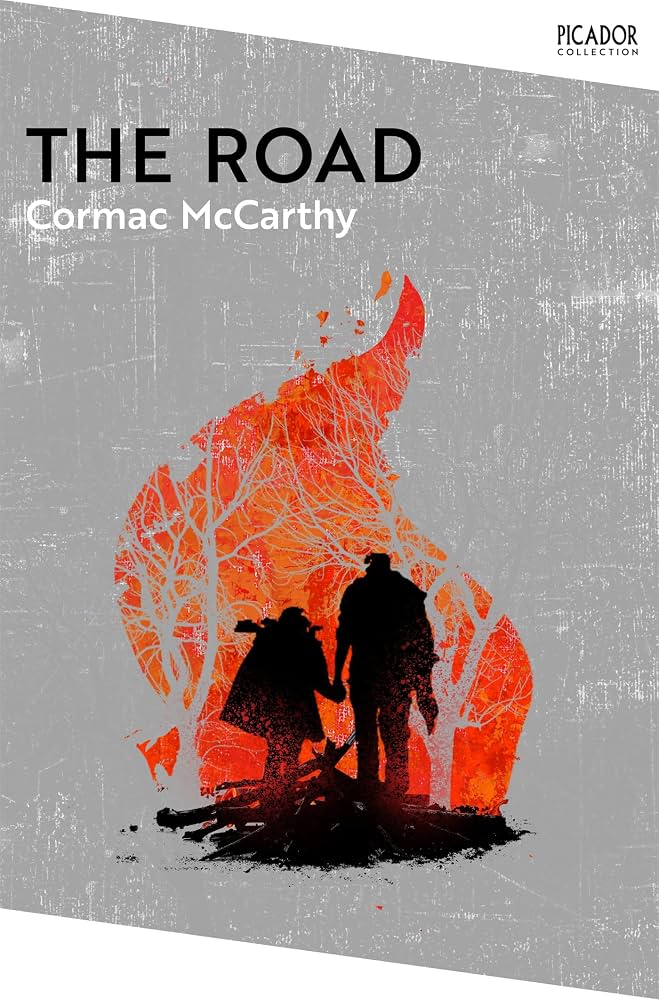
Cormac McCarthy’s The Road is often discussed alongside post-apocalyptic fiction, but it belongs in a broader conversation about dystopian and speculative literature because of its examination of civilization after catastrophic collapse.
A father and son travel through a devastated landscape while attempting to preserve their humanity.
The world is bleak, but the emotional center is intimate.
Rather than focusing primarily on political systems, McCarthy asks what remains of morality, love, and hope when almost everything else has disappeared.
10. Never Let Me Go by Kazuo Ishiguro
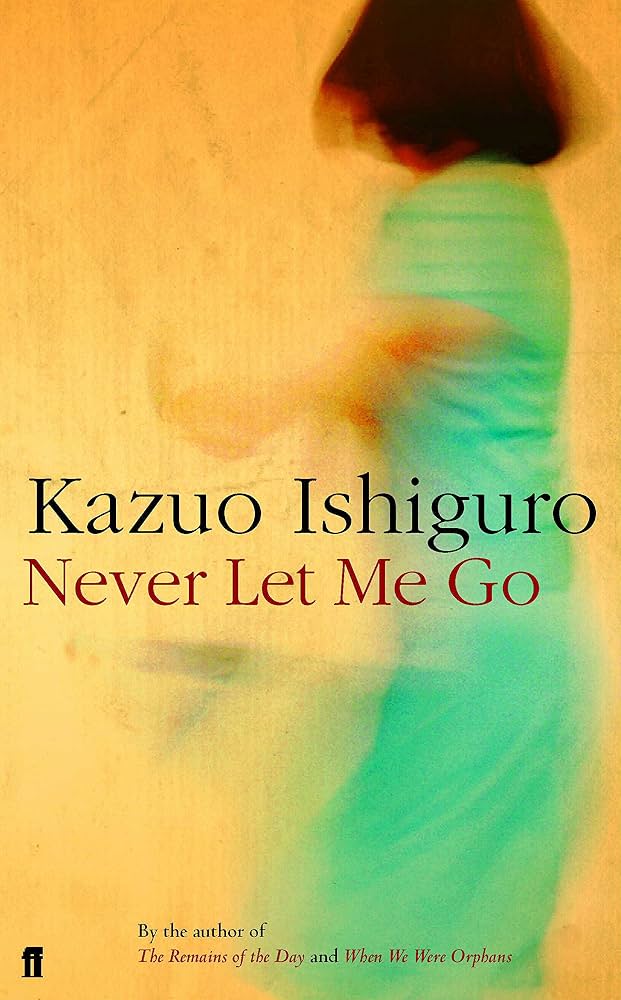
Kazuo Ishiguro approaches dystopia quietly.
The novel initially appears to be a story about childhood, friendship, education, and growing up. Gradually, however, readers discover the disturbing reality surrounding the characters’ lives.
Instead of relying on dramatic rebellion, Ishiguro builds tension through acceptance, memory, identity, and resignation.
This makes it an excellent choice for readers who prefer subtle dystopian storytelling.
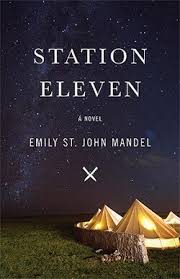
11. Station Eleven by Emily St. John Mandel
Station Eleven moves between the world before and after a devastating pandemic.
The story follows interconnected characters as they navigate a transformed civilization. Rather than focusing exclusively on survival, Mandel explores art, memory, community, performance, and the things people preserve when familiar institutions disappear.
It offers an important reminder that speculative fiction doesn’t have to be relentlessly bleak.
Sometimes dystopian storytelling is about what humanity chooses to rebuild.
the delightful tales of The Bean Trees, everything is assured with Barbara Kingsolver books.
You may also read – Comic Book Creators: Meet the Top 10 Legends – Explore Now!
You may also like – Dark Fantasy Novels: 15 Must-Reads—Dive In Now!
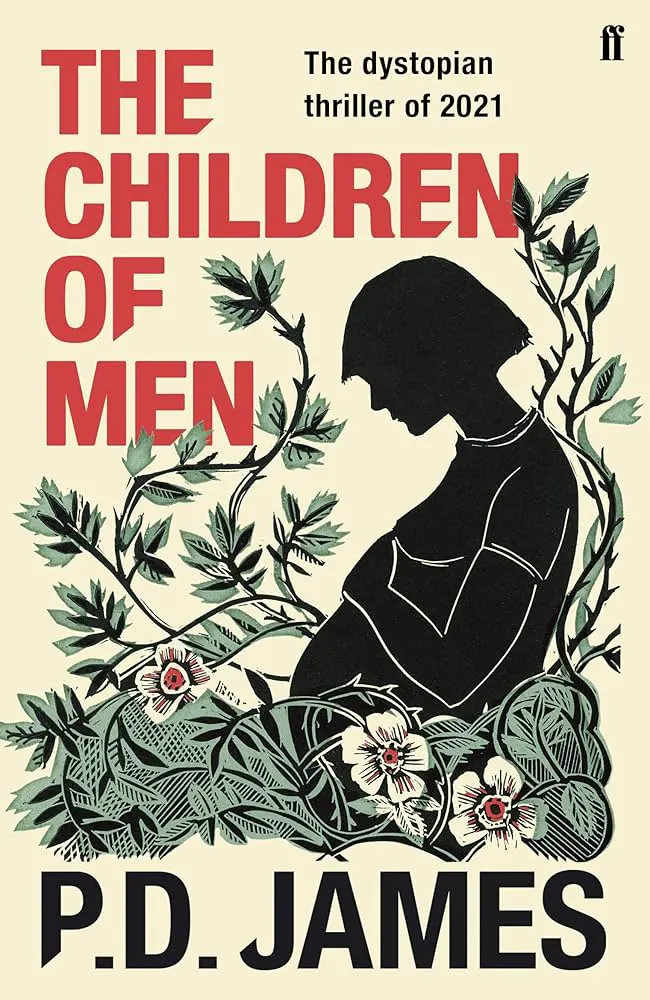
12. The Children of Men by P. D. James
Imagine a world in which humanity can no longer reproduce.
That is the premise of P. D. James’s The Children of Men.

The resulting society is shaped by hopelessness, political authoritarianism, and demographic collapse. The story follows Theo as he becomes involved with a group connected to a possible pregnancy.
The novel uses a biological crisis to examine power, hope, aging, and the future of civilization.
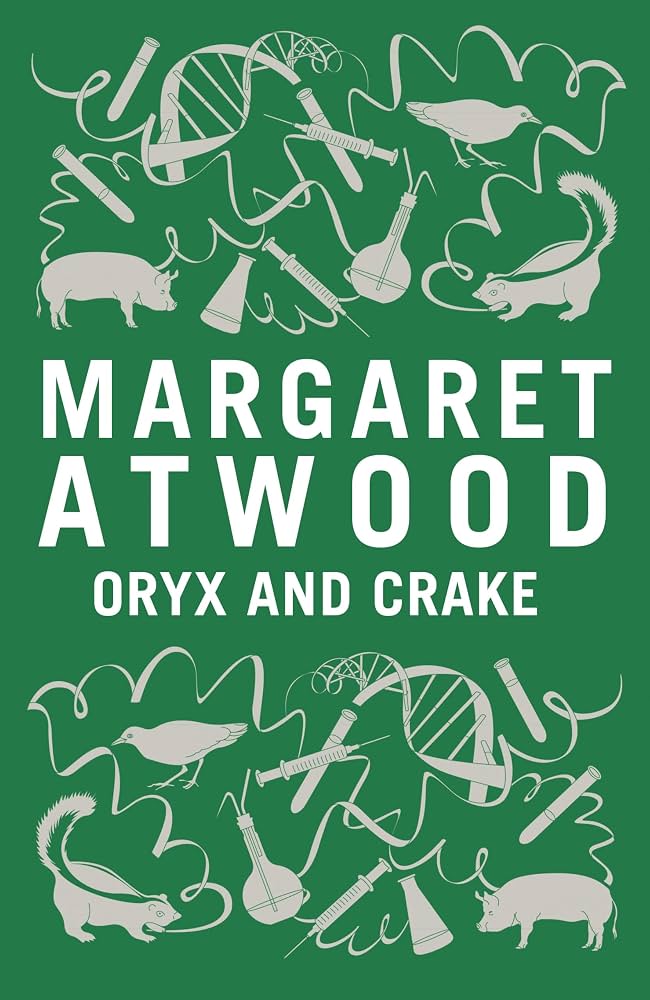
13. Oryx and Crake by Margaret Atwood
In Oryx and Crake, Margaret Atwood combines genetic engineering, corporate power, environmental destruction, and technological experimentation.
The story asks what happens when scientific ability grows faster than ethical responsibility.
Rather than presenting technology as inherently good or evil, Atwood explores what humans might do when scientific innovation becomes intertwined with profit, desire, and power.
14. The Maze Runner by James Dashner
Thomas wakes up in an unfamiliar enclosed environment with no memory of his past.
Surrounded by other teenagers and a dangerous maze, he must uncover why they have been placed there.
The book combines mystery, action, survival, and dystopian science fiction.
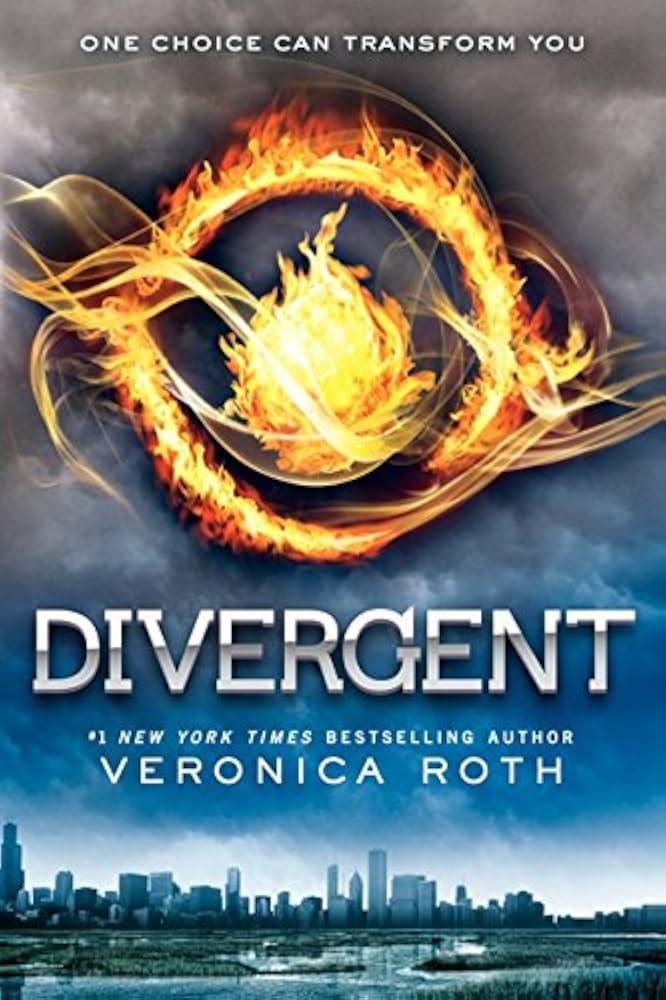
15. Divergent by Veronica Roth
Veronica Roth’s Divergent introduces a society organized around personality-based factions.
Citizens are expected to fit into predetermined categories, but Tris discovers that she doesn’t neatly belong to one.
The story uses faction-based society to explore identity, conformity, social expectations, courage, and institutional control.
You may also like – Blake Crouch Books in Order: Explore Now!
You may also check – What Is Ethos? Meaning, Examples & More – Learn Now!
16. The Power by Naomi Alderman
Naomi Alderman’s The Power reverses traditional gender-based power structures through a speculative biological development.
As women acquire the ability to generate electrical energy through their bodies, global power relationships begin to change.
The novel doesn’t simply ask what would happen if women held more power. It asks a more complicated question:
What happens when any group gains overwhelming power over another?
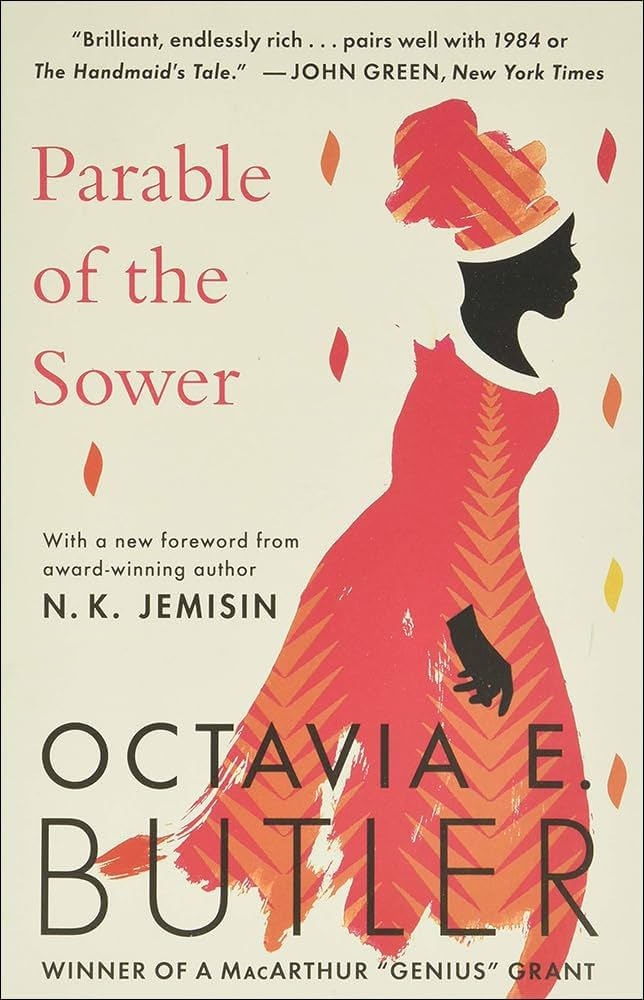
17. Parable of the Sower by Octavia E. Butler
Octavia E. Butler’s Parable of the Sower follows Lauren Olamina through a United States devastated by environmental and social breakdown.
The novel explores climate change, economic inequality, violence, migration, community, religion, and adaptation.
One of its greatest strengths is the way Butler combines enormous social questions with the immediate concerns of one young woman trying to survive.
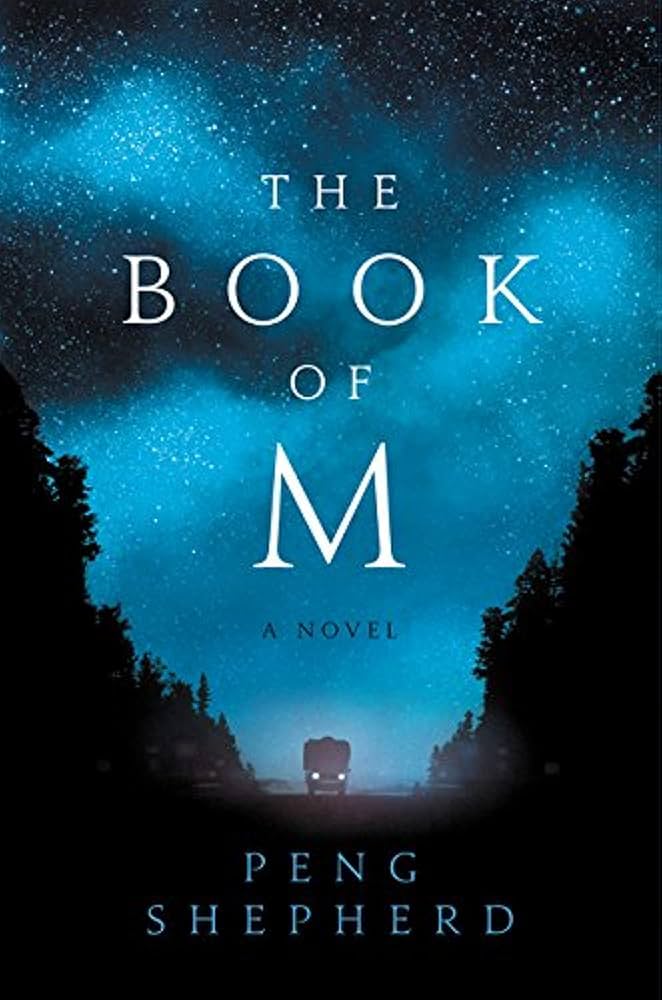
18. The Book of M by Peng Shepherd
In The Book of M, people begin losing their shadows—and eventually their memories.
What starts as a strange phenomenon becomes a global crisis.
The novel blends speculative fiction, dystopian elements, romance, mystery, and survival while asking how identity changes when memory disappears.
19. Snow Crash by Neal Stephenson
Neal Stephenson’s Snow Crash offers a very different dystopian experience.
Its world blends technology, corporate power, virtual reality, language, computer viruses, and fragmented society.
For readers interested in cyberpunk-style dystopian sci-fi novels, it provides a fascinating contrast to government-centered classics such as 1984.
You may also like – Grimdark Fantasy Books: 15 Must Reads – Dive In | LitGleam |
You may also read – Friedrich Nietzsche Books: Best Reading Order – Explore Now!
20. Snowglobe by Soyoung Park
For readers searching for newer YA dystopian novels, Soyoung Park’s Snowglobe offers a striking premise.
The story takes place in a world of constant winter where the climate-controlled Snowglobe appears to offer warmth and safety. Beneath that seemingly perfect environment, however, lies a disturbing system involving media, surveillance, and inequality.
The English edition has been described by Penguin Random House as a YA dystopian thriller combining reality television, surveillance, and questions surrounding fame and luxury.
Conclusion
The best dystopian novels don’t simply predict terrible futures. They challenge readers to examine the present.
1984 asks what happens when truth becomes controlled. Brave New World explores a society that trades freedom for comfort. The Handmaid’s Tale examines institutional power over individual lives.
The Hunger Games turns inequality and media spectacle into a gripping YA story. Newer books such as Snowglobe demonstrate how the genre continues to evolve around climate anxiety, surveillance, entertainment, and inequality.
Whether you’re searching for classic dystopian novels, YA dystopian novels, literary speculation, or dystopian sci-fi novels, there’s a world waiting to challenge the way you see our own.
