

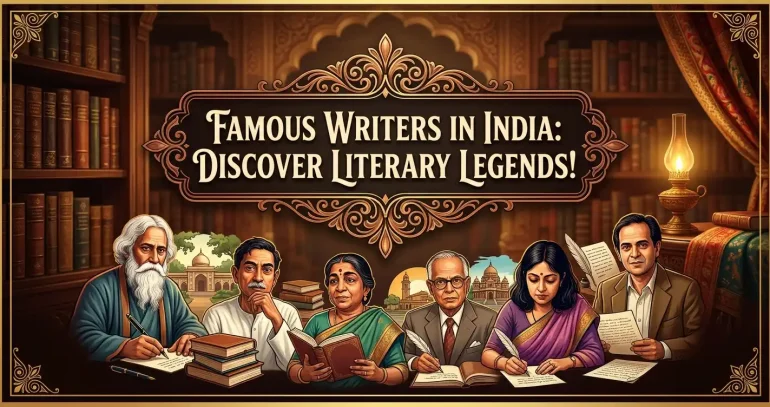
India’s literary tradition is an ever-evolving tapestry woven from ancient epics, regional masterpieces, and striking modern narratives. If you are a devoted reader, an aspiring poet, or a writer looking for inspiration, getting to know the famous writers in India is like opening a treasure chest of human emotion, history, and social commentary.
From Nobel laureates who enchanted the global stage to contemporary novelists redefining commercial fiction, the renowned authors of india have left an indelible mark on world literature.
In this guide, we will journey through generations of literary genius, exploring classic pioneers, global icons, popular modern trailblazers, and regional masters who make Indian storytelling extraordinary.
Table Of Contents
The Architectural Pillars: Classic Trailblazers
Every great literary culture rests on the shoulders of visionary pioneers. Long before Indian writing in English became a global publishing phenomenon, these early masters laid the groundwork by capturing the subtle rhythms, humdrum routines, and spiritual depth of everyday Indian life.
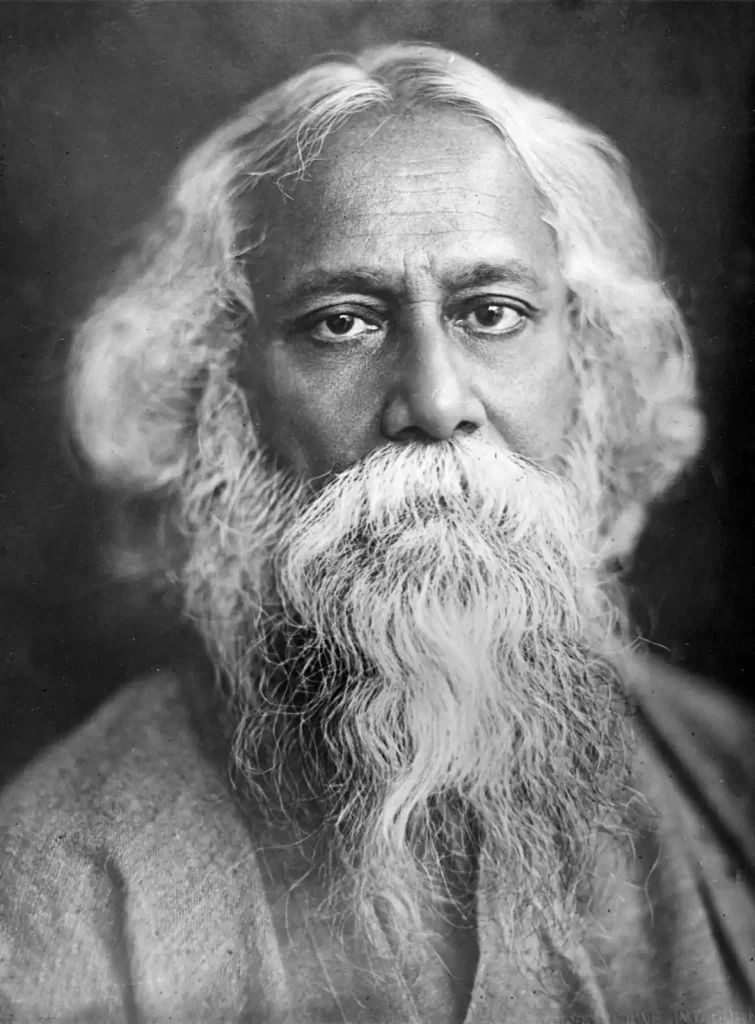
1. Rabindranath Tagore: The Bard of Bengal
No discussion of famous india authors can begin without Rabindranath Tagore. In 1913, Tagore became the first non-European to win the Nobel Prize in Literature for his breathtaking poetry collection, Gitanjali.
Tagore was a true polymath-a poet, playwright, painter, and composer who penned the national anthems of both India and Bangladesh.
His novels, such as Gora and The Home and the World (Ghare-Baire), tackled complex questions of nationalism, freedom, and identity long before the country gained independence.
You may also read – Barbara Kingsolver Books: Discover Where to Start!
You may also like – Realistic Fiction Books: Find What to Read Next!
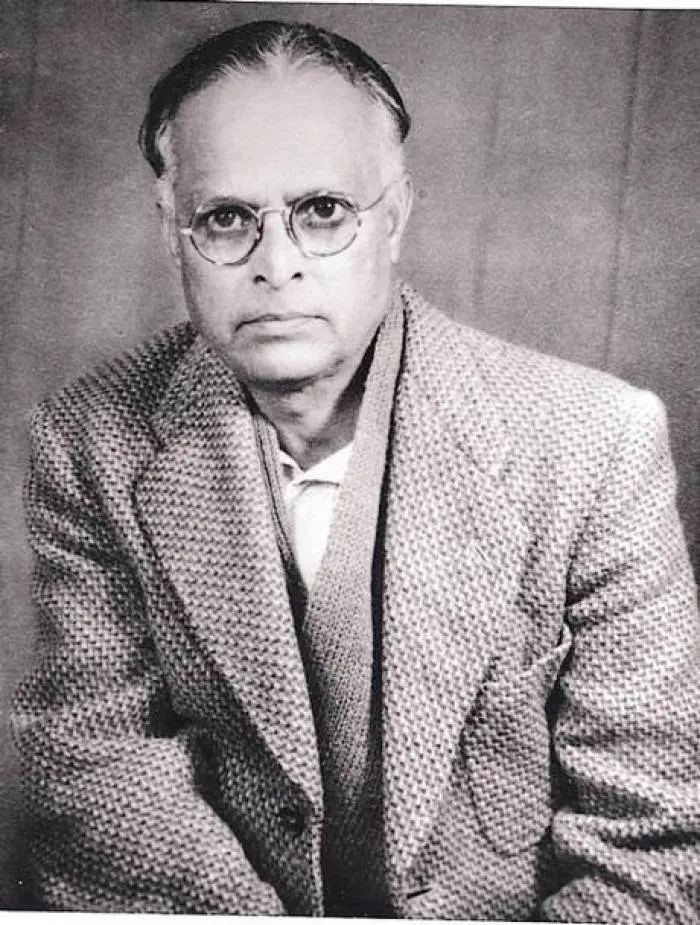
2. R.K. Narayan: The Master of Malgudi
If Tagore provided the philosophical heartbeat of early modern Indian literature, R.K. Narayan provided its charming, humorous smile.
Narayan introduced readers to the fictional South Indian town of Malgudi. Through simple yet deeply perceptive prose, he transformed ordinary, middle-class existence into timeless universal art.
Recognized alongside Mulk Raj Anand and Raja Rao as one of the founding fathers of Indian English fiction, Narayan showed that profound human truths do not require complex prose-just sharp observation and empathy.

3. Ruskin Bond: The Poet of the Himalayas
Born in Kasauli and residing in Mussoorie for decades, Ruskin Bond is the beloved storyteller of the Indian hills.
His writing evokes nostalgia, the beauty of nature, and the innocence of childhood. For over six decades, Bond has nurtured generations of young Indian readers through his short stories, novellas, and memoirs.
Modern Icons: Global Booker Prize Winners
During the late 20th and early 21st centuries, famous authors indian readers grew up with began dominating prestigious global literary awards. By combining lyrical experimentation, political courage, and rich narrative textures, these authors brought Indian stories to global bestsellers lists.
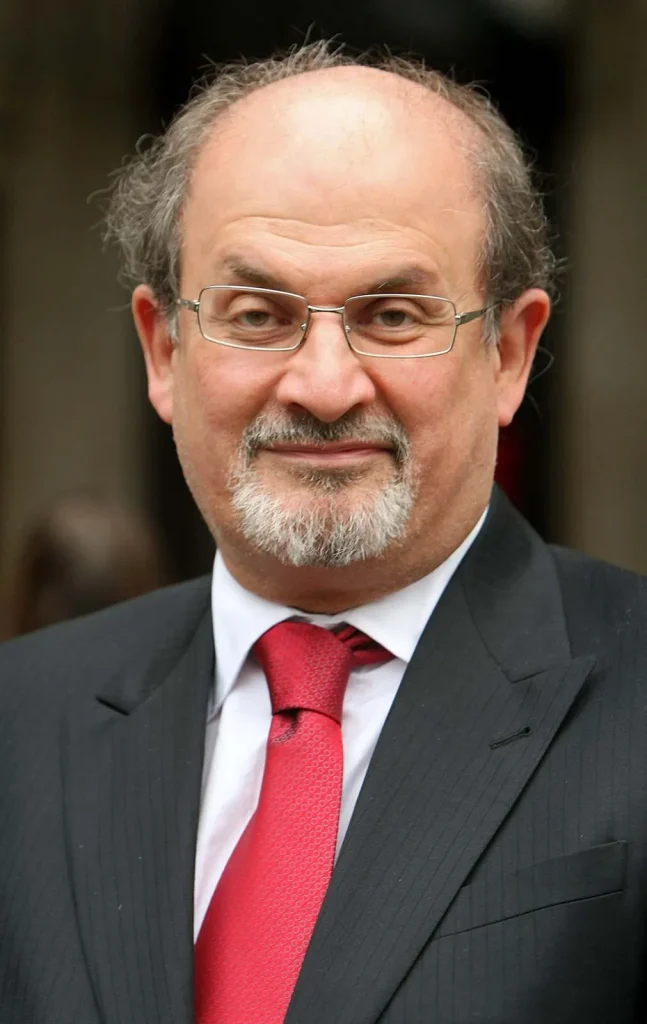
4. Salman Rushdie: Magical Realism and Post-Colonial Identity
Salman Rushdie’s 1981 masterpiece, Midnight’s Children, fundamentally altered the landscape of post-colonial literature.
By weaving historical events with magical realism, Rushdie created a vibrant new style that adapted the English language to the rhythms and chaotic energy of the subcontinent.
The novel won the Booker Prize in 1981 and was later awarded the “Booker of Bookers”.
You may also check – John Boyne Books: Complete Reading Guide—Explore Now!
You may also like – Alex Aster Books in Order: Find Your Next Read!
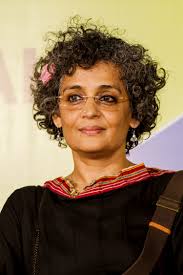
5. Arundhati Roy: Lyrical Grace and Political Activism
In 1997, Arundhati Roy became a global literary phenomenon with her debut novel, The God of Small Things, which won the Booker Prize.
Set in Kerala, the novel captures the tragic consequences of social caste boundaries and emotional taboo with remarkable prose.
Roy is equally celebrated for her fierce non-fiction essays on social justice, human rights, and environmental preservation.
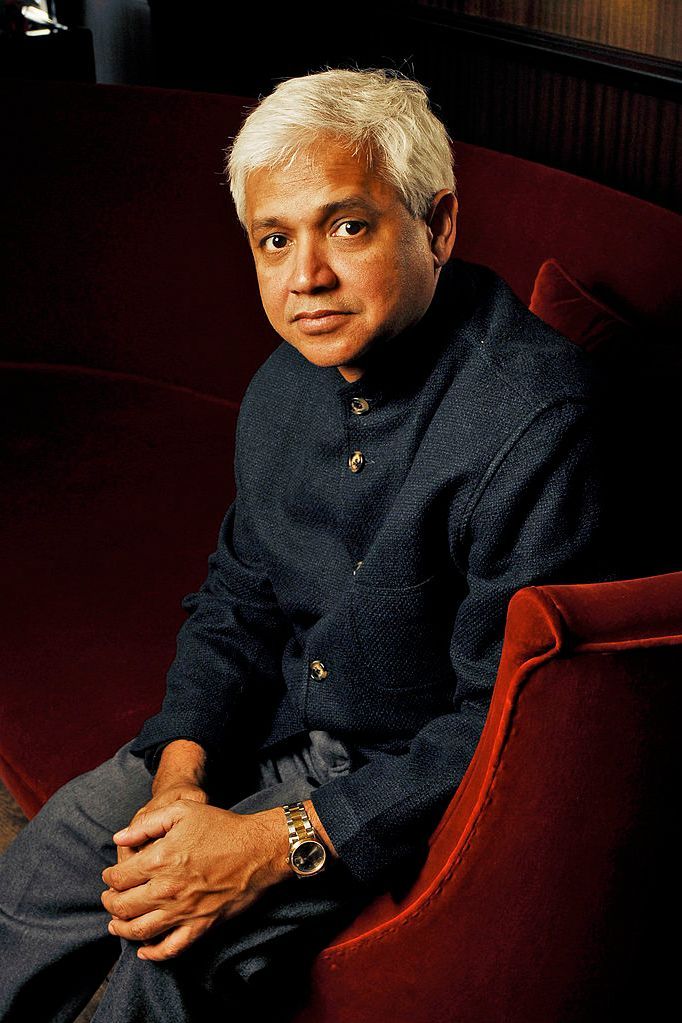
6. Amitav Ghosh: Historical Epics and Climate Realism
Amitav Ghosh is widely respected for his meticulous historical research and sweeping narratives.
His Ibis Trilogy details the complex opium trade between India, China, and Britain, while his recent non-fiction works address the urgent crisis of global climate change.
Ghosh became the first English-language writer to be honored with India’s highest literary award, the Jnanpith Award.
Popular Authors in India Reimagining Commercial Fiction
While literary fiction captures critical acclaim worldwide, a dynamic movement of contemporary commercial fiction transformed reading into a mass activity across urban India. These writers brought accessible narratives, fast-paced plots, and pop-culture themes to millions of new readers.

7. Chetan Bhagat: The Mass-Market Revolution
Love him or critique him, Chetan Bhagat changed the Indian publishing ecosystem forever. His debut, Five Point Someone, resonated with young college students navigating intense pressure, career ambitions, and relationships.
By keeping language simple and price points affordable, Bhagat demonstrated that a famous author in india could sell millions of copies to readers who had never bought a novel before.
You may also read – Michael Crichton Books in Order: Start Reading Now!
You may also like – David Baldacci Books in Order: Explore the Thrillers!
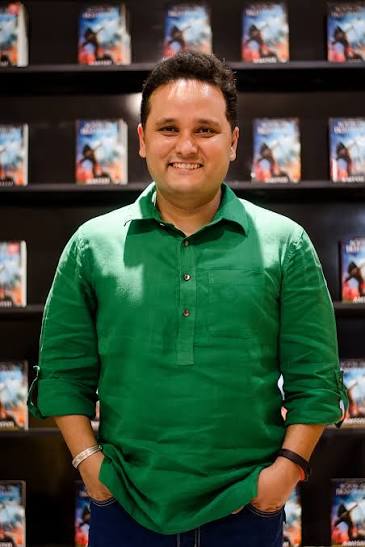
8. Amish Tripathi: Reimagining Sacred Mythology
Amish Tripathi pioneered a pop-mythological revolution in modern Indian fiction. With his Shiva Trilogy, Tripathi reinterpreted traditional deities through a realistic, humanized lens filled with military strategy, philosophy, and modern dialogue.

His work created a fast-growing genre of fantasy and mythological thrillers in Indian literature.
Poetry and Verse: Masters of Metaphor
Indian literature is grounded in a deep poetic tradition that spans centuries. From classical Sanskrit and medieval Sufi verse to modern free verse, poets across the subcontinent have expressed spiritual longing, political protest, and intimate emotion.
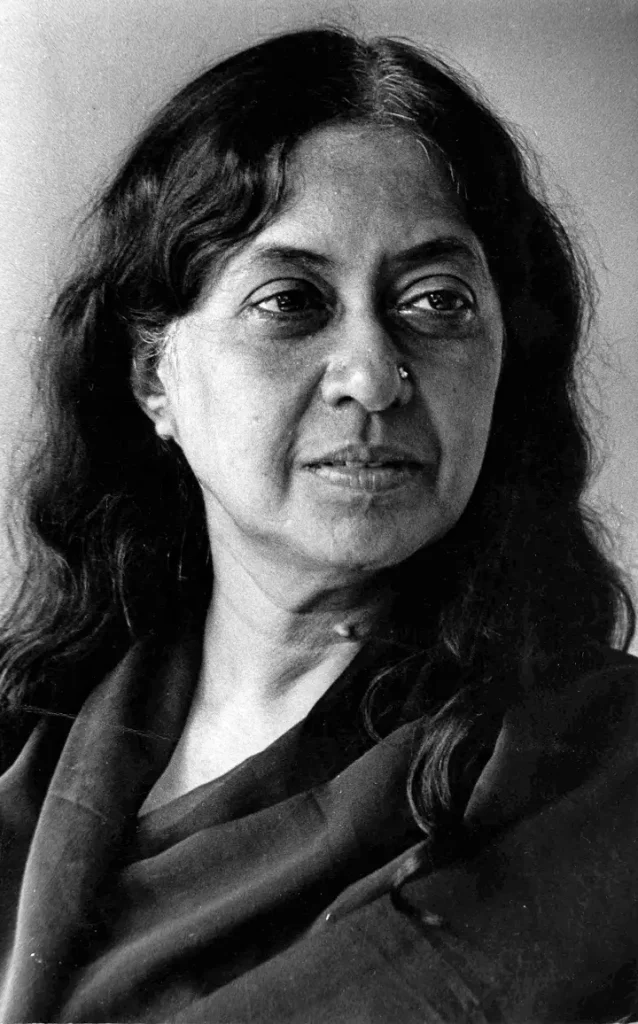
9. Kamala Das: Unapologetic Candor
Kamala Das (who also wrote in Malayalam as Madhavikutty) brought unprecedented honesty to modern Indian poetry.
Writing openly about female desire, domestic constraints, emotional betrayal, and body politics, Das broke long-standing taboos with collections like Summer in Calcutta and her autobiography, My Story.
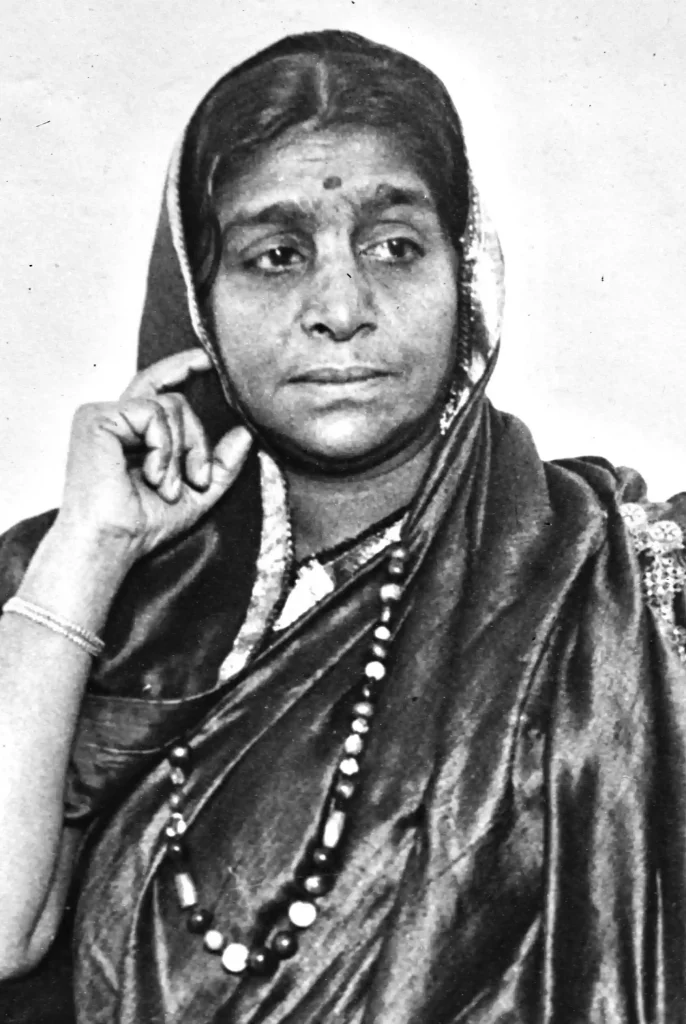
10. Sarojini Naidu: The Nightingale of India
A key figure in India’s freedom movement and an accomplished poet, Sarojini Naidu captured the vivid colors, folk traditions, and spiritual devotion of Indian life in lyrical English verse.
Her poetry collections, including The Golden Threshold, blend political idealism with rich sensory imagery.
Regional Legends Shaping Vernacular Literature
While English writing often claims global media spotlight, the true depth of Indian storytelling lies in its vast tapestry of regional languages-including Hindi, Bengali, Tamil, Urdu, Kannada, Malayalam, and Marathi.
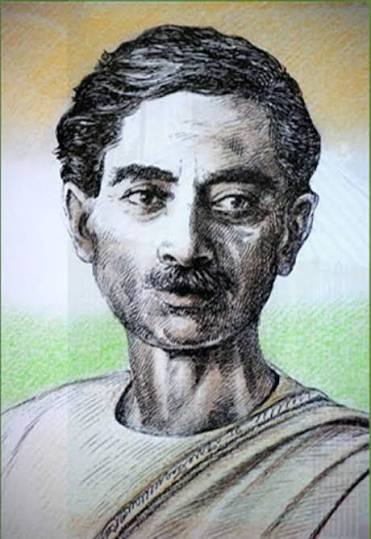
11. Munshi Premchand (Hindi/Urdu): The Voice of Rural India
Often called Upanyas Samrat (Emperor of Novels), Munshi Premchand transformed Hindi and Urdu literature.
Writing with stark realism, Premchand depicted rural poverty, caste exploitation, peasant debt, and women’s rights in pre-independence India. His magnum opus, Godaan (The Gift of a Cow), remains a landmark piece of social realism.
You may also like – Jack Reacher Series: Complete Book Order—Start Reading!
You may also read – Comic Book Creators: Meet the Top 10 Legends – Explore Now!
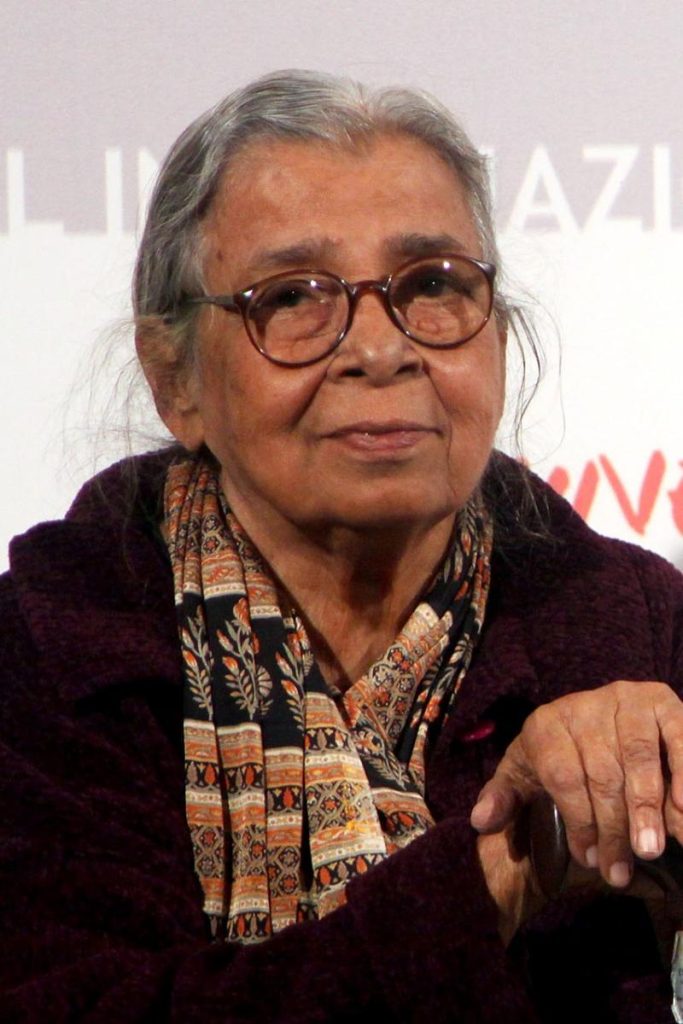
12. Mahasweta Devi (Bengali): Champion of the Marginalized
Bengali author and activist Mahasweta Devi dedicated her life to documenting the struggles of indigenous tribal communities (Adivasis) and marginalized laborers in Eastern India.
Her fiercely political fiction, such as Hajar Churashir Maa (Mother of 1084) and Aranyer Adhikar, combines rigorous fieldwork with uncompromising literary art.
Conclusion
The legacy of famous writers in India is not a static museum exhibit; it is a living conversation that grows with every new book published and every new reader who turns a page.
Whether you are drawn to the poetic depth of Rabindranath Tagore, the sharp social satire of Arundhati Roy, or the thrilling mythological worlds of Amish Tripathi, Indian literature offers endless discovery.
What is your absolute favorite book by an Indian author? Leave a comment below with your recommendations, share this article with your fellow book lovers, and join our newsletter for monthly reading guides, writer interviews, and book reviews!
