


Exploring the vast desert landscapes, complex political schemes, and philosophical richness of the Dune Books In Order can feel as challenging as crossing the shifting sands of Arrakis without a stillsuit.
Frank Herbert’s groundbreaking 1965 novel Dune revolutionized science fiction, combining ecological themes, political intrigue, social commentary, and heroic tragedy into a timeless literary masterpiece.
Whether you are a lifelong lover of epic speculative fiction, a poet drawn to high-minded prose, or a writer seeking lessons in grand world-building, discovering the correct dune books in order is essential for experiencing the true weight of the dune saga.
With over 20 expanded works co-authored by Brian Herbert and Kevin J. Anderson extending the dune order, knowing where to start makes all the difference.
Table Of Contents
The Original Hexalogy: Frank Herbert’s Core Masterpiece
Before exploring the sprawling expanded universe, every reader should understand the foundation laid by Frank Herbert. These six canonical works represent the primary arc of the dune books series:
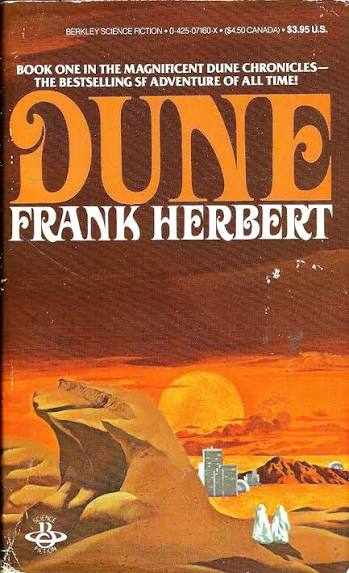
Dune (1965)
Frank Herbert’s Dune (1965) introduces readers to Arrakis, a harsh desert planet that holds the universe’s most valuable resource: spice melange.
The story follows Paul Atreides as his family takes control of Arrakis and becomes caught in a dangerous struggle involving political betrayal, powerful houses, and the native Fremen. Blending science fiction with ecology, religion, politics, and philosophy, the novel establishes the foundation for the entire saga.
As the first entry in the Dune Books in Order, Dune is essential for understanding the characters, conflicts, and themes that shape Herbert’s universe.
You may also like – Percy Jackson Books in Order: Read the Series Now!
You may also read – Indian Freedom Fighters: 25 Heroes to Know & Honor!
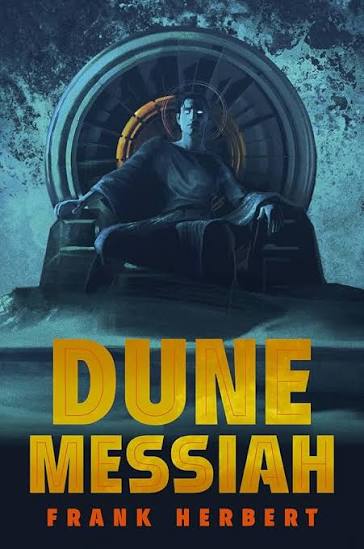
Dune Messiah (1969)
Dune Messiah (1969) continues Paul Atreides’ story after his rise as Emperor. Although Paul has achieved immense power, his victory comes with devastating consequences as religious fanaticism, political conspiracies, and violent conflicts spread throughout the galaxy.
The novel takes a darker, more introspective approach, exploring the burden of leadership, prophecy, and the consequences of becoming a messianic figure.
As the second installment in the Dune Books in Order, Dune Messiah challenges the heroic image established in the first novel and reveals the personal and political costs of Paul’s transformation.
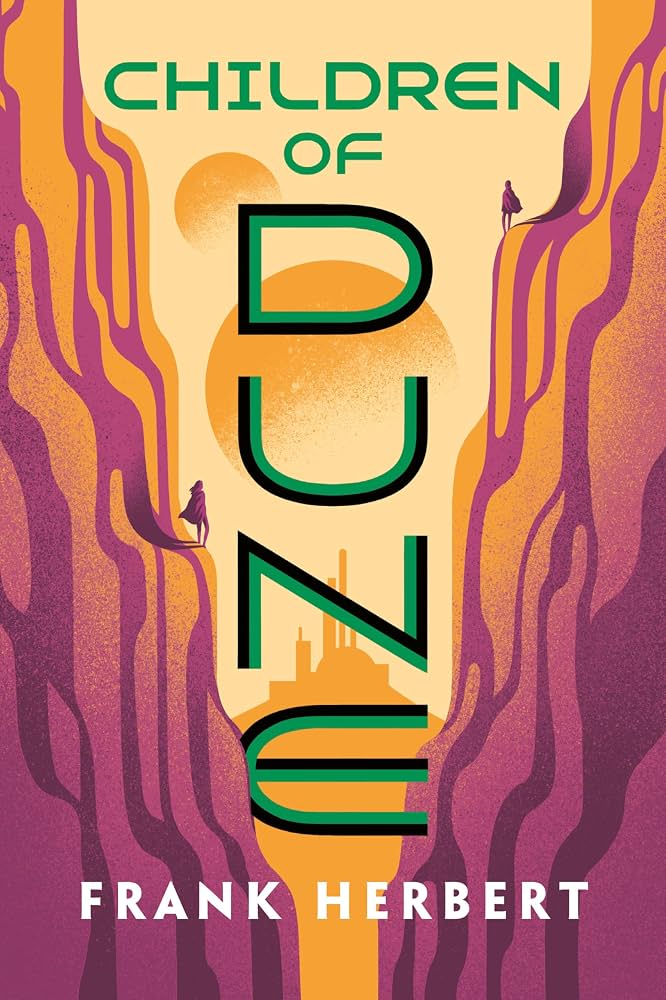
Children of Dune (1976)
Children of Dune (1976) follows the next generation of the Atreides family as Paul’s children, Leto II and Ghanima, face political instability and powerful forces seeking control of the Imperium.
With Paul’s absence shaping the story, Leto II begins a remarkable journey that challenges his identity, destiny, and understanding of humanity’s future. The novel expands Herbert’s exploration of power, prophecy, religion, and ecological transformation while deepening the mythology of Arrakis.
As the third entry in the Dune Books in Order, it marks a crucial turning point in the saga’s larger story.
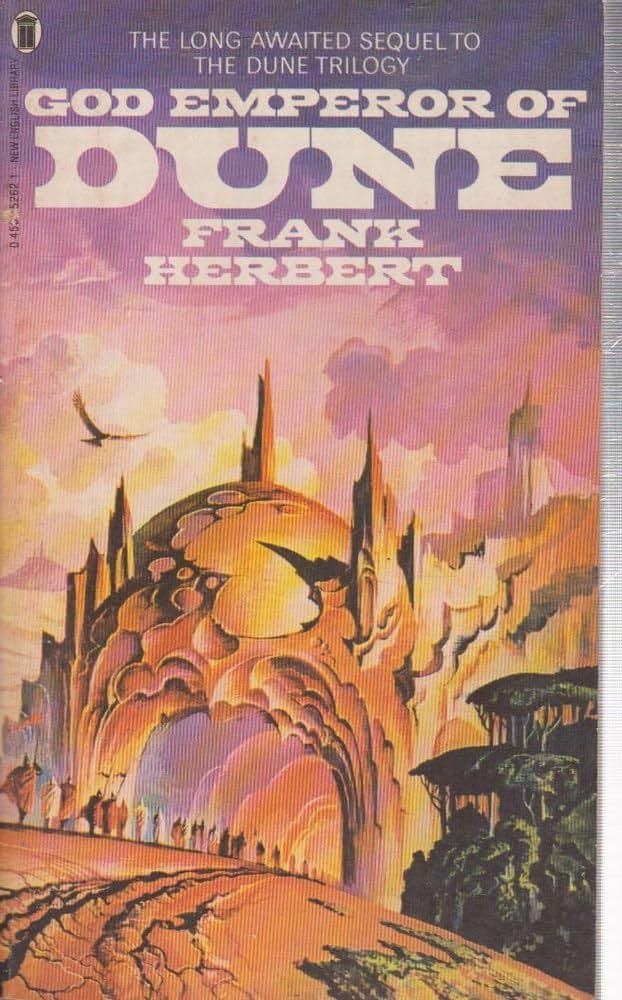
God Emperor of Dune (1981)
God Emperor of Dune (1981) takes place thousands of years after the events of the earlier novels, with Leto II Atreides ruling the Imperium as a powerful human-sandworm hybrid.
His seemingly oppressive Golden Path is designed to protect humanity from extinction, but his methods raise profound questions about freedom, power, and sacrifice. Frank Herbert shifts the series toward deeper philosophical and political territory, making this installment more reflective than its predecessors.
As the fourth novel in the Dune Books in Order, it reveals the extraordinary long-term consequences of Leto II’s transformation and vision.
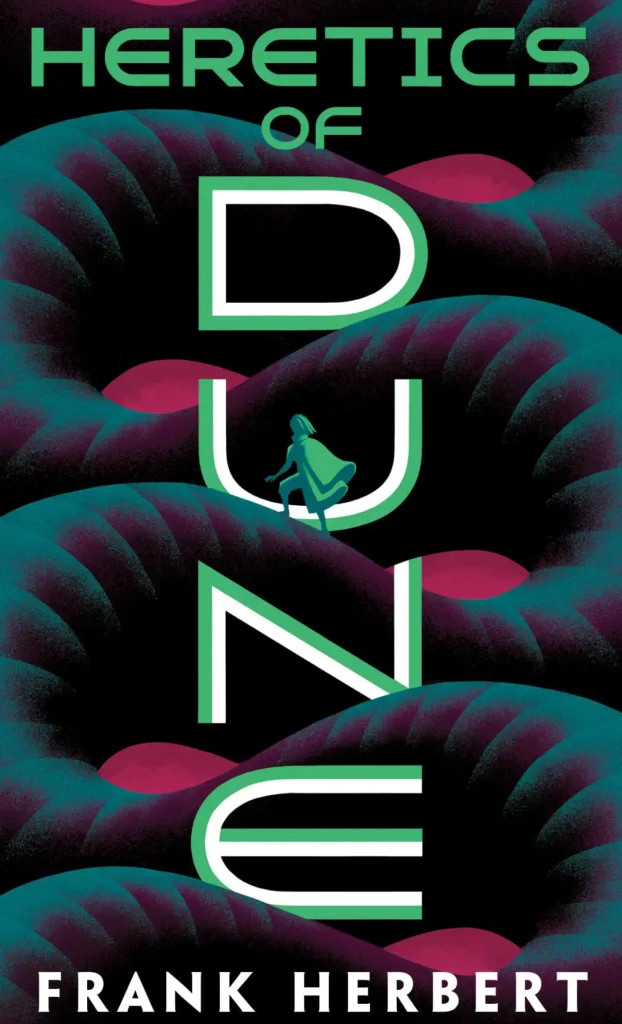
Heretics of Dune (1984)
Heretics of Dune (1984) takes place generations after the reign of Leto II, when humanity has spread across the galaxy and new powers compete for influence.
The return of the mysterious Honored Matres creates a dangerous threat, while the Bene Gesserit work to understand and control the changing political landscape. The novel introduces new characters and expands Herbert’s exploration of human evolution, power, survival, and manipulation.
As the fifth installment in the Dune Books in Order, Heretics of Dune sets the stage for the dramatic conflicts that continue in the final novel of Herbert’s original series.
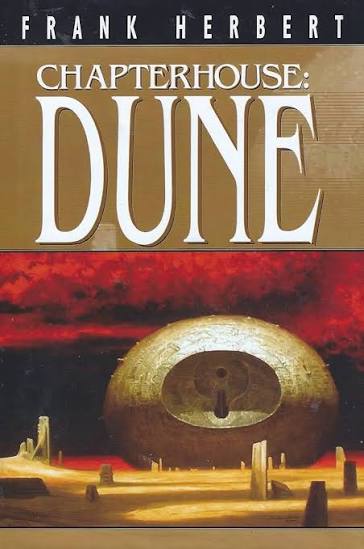
Chapterhouse: Dune (1985)
Chapterhouse: Dune (1985) concludes Frank Herbert’s original six-book Dune Books In Order saga. The Bene Gesserit face growing pressure from the mysterious Honored Matres, forcing them to adapt while protecting their knowledge, traditions, and long-term plans. As the Sisterhood struggles to survive, Chapterhouse itself becomes the focus of an ambitious ecological transformation.
The novel deepens Herbert’s themes of power, survival, evolution, and human adaptation while introducing unresolved mysteries and conflicts. Its open-ended conclusion leaves readers with important questions about the future of humanity and the fate of the Dune universe.
You may also check – Jack Carr Books in Order: Complete List – Explore!

You may also read – Literature Festival: Top Events to Explore Now!
Publication Order
For first-time readers, poets, and writers analyzing narrative evolution, reading the dune novels in order of publication is overwhelmingly recommended. Frank Herbert introduced concepts, vocabulary, and thematic layers under the assumption that the reader had experienced the prior published work.
| Novel Title | Publication Year | Primary Focus |
| Dune | 1965 | Fall of House Atreides & Fremen Uprising |
| Dune Messiah | 1969 | Deconstructive study of messianic power |
| Children of Dune | 1976 | Destiny, transformation, and ecological shift |
| God Emperor of Dune | 1981 | Tyranny, survival, and long-term human evolution |
| Heretics of Dune | 1984 | Re-emergence of factions after the Scattering |
| Chapterhouse: Dune | 1985 | Climax of Bene Gesserit story arc |
Chronological Timeline Order
If you prefer experiencing a universe strictly through its in-universe timeline, the dune order shifts radically. The full chronological timeline starts roughly 10,000 years before the original novel dune was set.
- Legends of Dune Trilogy (The Butlerian Jihad, The Machine Crusade, The Battle of Corrin) The war against thinking machines.
- Great Schools of Dune Trilogy (Sisterhood, Mentats, Navigators) The origins of the Bene Gesserit, Mentats, and Space Guild.
- Prelude to Dune Trilogy (House Atreides, House Harkonnen, House Corrino) The generation directly preceding Paul Atreides.
- The Caladan Trilogy (The Duke, The Lady, The Heir of Caladan) Events leading directly into the opening pages of the first novel.
- The Original Frank Herbert Hexalogy (Dune through Chapterhouse: Dune).
- Sequel Duology (Hunters of Dune, Sandworms of Dune) Based on Frank Herbert’s working notes to finish the main saga.
You may also check – Shatter Me Series: Complete Reading Order – Read Now!
You may also read – Best Short Story: 10 Must-Read Classics – Explore!
The Expanded Universe: Brian Herbert & Kevin J. Anderson
Following Frank Herbert’s passing in 1986, his son Brian Herbert partnered with author Kevin J. Anderson to expand the universe using extensive research notes left behind.
While purists often stick strictly to the original six, these expanded works offer valuable lore for completionists wanting every detail of the galactic history.
Which Reading Order Should You Choose?
Choose Publication Order if: You are reading the series for the first time, want to experience the themes as Frank Herbert crafted them, or prefer high literary depth.
Choose Chronological Order if: You are executing a complete reread, love exhaustive historical world-building, and want to see the universe build linearly over 10,000+ years.
Conclusion
Embarking on the dune order is one of the most rewarding literary journeys in modern fiction.
Start with the original 1965 Dune, follow the central thread through Frank Herbert’s original vision, and expand into the universe’s vast history as your curiosity grows.
Pick up your copy of Dune today and step into the sands of Arrakis!
