


Have you ever finished a novel or closed a book and felt like you were saying goodbye to a real, flesh-and-blood friend? That emotional ache doesn’t happen by accident. It is the magic of meeting a round character on the page.
In storytelling, some figures are simple background decorations, while others feel as complex, contradictory, and beautifully flawed as we are. If you want to write stories that keep readers up at 2:00 AM, you need to understand how to build these multi-dimensional personalities.
This guide will break down the core round character definition, contrast flat and round characters, analyze classic examples of round characters, and give you a step-by-step blueprint to write your own.
What is a Round Character? and Where It is Used?
A round character is a highly developed, complex literary figure who possesses a depth of personality, distinct motivations, understandable flaws, and internal contradictions. Unlike simple background archetypes, round characters feel like real people because they don’t always make logical decisions, and they carry internal conflicts.
The term was first introduced by legendary novelist E.M. Forster in his 1927 book Aspects of the Novel (a must-read for any serious writer). Forster suggested that we can test if a character is truly round by asking a simple question: Are they capable of surprising the reader in a convincing way?
If a character’s actions are entirely predictable from page one to the end, they are likely flat. If they surprise you—yet their sudden choice makes perfect sense once you understand their deeper psychology—they are round.
You may also read: Holly Jackson Books in Order – Read the Complete Guide!
You may also like: Biography Books: 25 Inspiring Reads – Read Now!
Flat and Round Characters: The Great Debate
To truly grasp this concept, we have to look at the classic literary spectrum of flat and round characters.
Many new writers assume that “flat” is a polite word for “badly written.” This is a huge misconception. Both types play crucial roles in a healthy narrative:
- Flat Characters: These characters are built around a single idea or quality. They are highly predictable and don’t change. Think of the comedic sidekick, the strict school principal, or the loyal postman. They help keep the plot moving without distracting the reader from the main emotional arc.
- Round Characters: These characters have multiple sides to their personality. They might be brave but terrified of intimacy, or highly intelligent yet prone to making incredibly foolish emotional decisions. They demand the reader’s focus.
Here is a quick reference table to help you spot the differences instantly:
| Feature | Flat Character | Round Character |
| Complexity | One-dimensional (built around one trait) | Three-dimensional (many traits, sometimes conflicting) |
| Predictability | High | Low (capable of surprising the reader) |
| Function | Advances the plot, provides atmosphere | Drives the emotional weight of the story |
| Reader Empathy | Low to moderate | High |
Round vs. Flat vs. Static vs. Dynamic
Things get slightly trickier when we introduce two more terms: static and dynamic. It is incredibly common to mix these up, but keeping them straight will completely transform how you plan your narrative arcs.
For a deeper dive into organizing these archetypes in your drafts, check out our guide on how to organize your novel’s character sheets.
- Round vs. Flat refers to depth (how many layers and traits they have).
- Dynamic vs. Static refers to change (whether they grow, regress, or stay exactly the same by the end of the story).
While most round characters are dynamic (they change because of the trials they face), they don’t have to be. For instance, Sherlock Holmes is highly complex, brilliant, drug-addicted, socially inept, and deeply observant (making him incredibly round), but he rarely changes as a person from the start of a mystery to the end (making him static).
You may also like: UK Literary Agents: Find the Best Ones Today!
You may also check: Write Your Life Journal by LITGLEAM | Start Writing Today!
Iconic Examples of Round Characters in Literature
Let’s look at how the masters of literature build these complex figures.
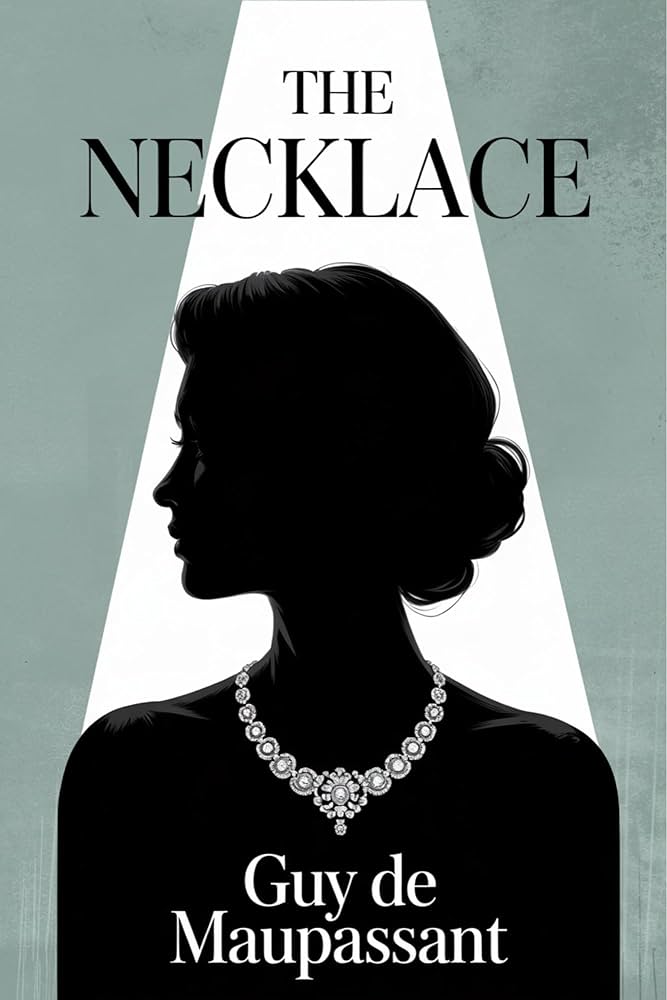
1. Madame Mathilde Loisel in “The Necklace”
The round character in the necklace (the famous short story by Guy de Maupassant) is a textbook example of three-dimensional characterization.
Mathilde Loisel is not simply a greedy protagonist; she is a deeply sympathetic yet vain woman trapped in a social class she despises. She is capable of great pride, but also of immense, quiet resilience when she spends ten agonizing years working off the debt of a lost necklace. Her tragedy stems from her complex mix of superficial desires and surprising work ethic.
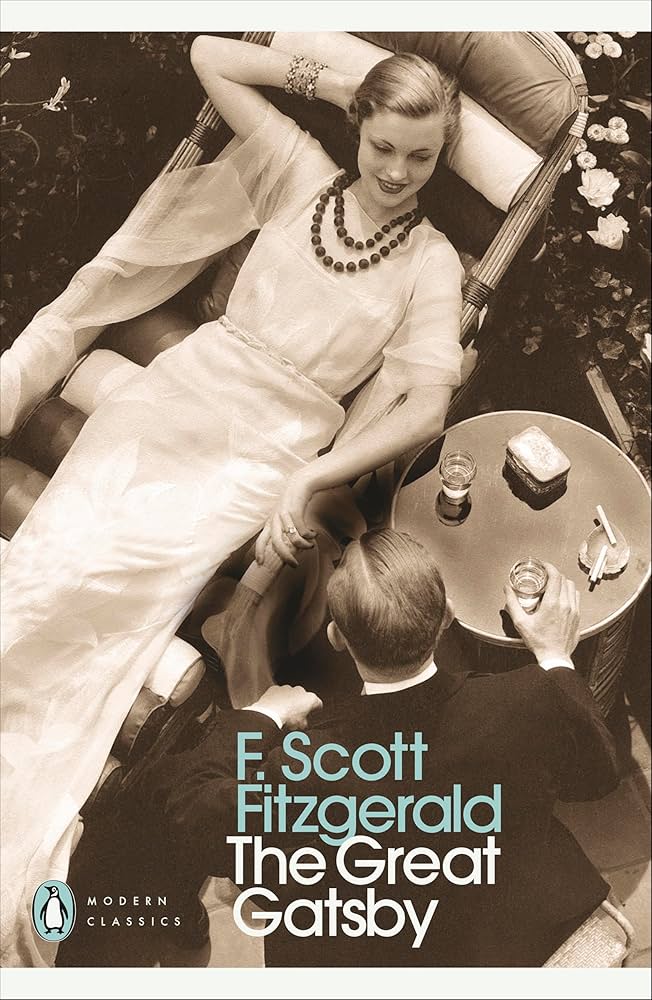
2. Gatsby in “The Great Gatsby”
Another outstanding examplte of inconsistencies is Jay Gatsby. He is a wealthy, enigmatic bootlegger who hosts lavish parties, but he does all of this out of a naive, even juvenile fixation with reliving the past. He is one of the most well-known characters in American fiction because he is both a crook and a hopeless romantic.
3. Ebenezer Scrooge in “A Christmas Carol”
We can see why Scrooge turned heartless, which makes him round. Not only does Charles Dickens depict a cartoon villain, but he also shows us a young man who prioritized cash over love and a lonely youngster who was abandoned at boarding school. We can relate to his pain, so his salvation feels justified.
Step-by-Step: How to Write a Round Character
If you are ready to write your own masterpiece, you cannot rely on surface-level descriptions. Follow this sequence to give your characters true depth.
1.Establish a Core Desire and a Competing Fear: The Psychological Foundation.
What does your character want more than anything else (their external goal)? Now, what is their deepest, darkest fear? Real people are caught between what they want and what terrifies them.
2.Inject a Significant Contradiction: Breaking Stereotypes.
Give them a trait that doesn’t seem to fit at first glance. Maybe you are writing a ruthless mob boss who is deeply tender and patient with his rescue dogs, or a highly logical scientist who is deeply superstitious.

3.Expose Their Flaws and Vulnerabilities: Creating Relatability.
Nobody likes a perfect character. Give them a blind spot—pride, jealousy, impatience, or an inability to trust others. Their flaws should actively get in the way of their core desire.
4.Provide a Backstory ‘Ghost’: The Root Cause.
Why are they like this? Establish a past event (often called the “ghost” or the “wound”) that shaped their current worldview. For inspiration on writing compelling backstories, see our tutorial on mastering the character backstory wound.
You may also read: Roald Dahl Books: 15 Must-Read Classics – Read Now!
You may also like: Thriller Books: 20+ Must-Read Page-Turners – Read Now!
Conclusion
Building unforgettable characters is the ultimate secret to capturing a reader’s heart. Now that you know how to leverage the power of three-dimensional writing, it is time to put pen to paper.
You can keep these crucial distinctions at your desk as you draft by downloading our free resource, round flat static dynamic characters pdf.
For more hands-on writing strategies, explore our comprehensive guides on how to write natural dialogue, crafting the perfect story structure, and avoiding the most common pacing mistakes.
Frequently Asked Questions
What is the simple definition of a round character?
A round character is a lifelike, complex character in a story who has many different personality traits, emotions, and motivations, making them feel like a real person.
Can a main character be flat?
While it is rare, yes. In some adventure or satirical stories, the protagonist remains flat (like Tintin or James Bond) while the world and supporting cast react around them. However, for emotional, character-driven stories, your protagonist should almost always be round.
What is the difference between a round and a dynamic character?
“Round” refers to how complex and detailed a character’s personality is. “Dynamic” refers to whether that character undergoes a significant internal change or growth over the course of the story.
